
Last updated November 25, 2026
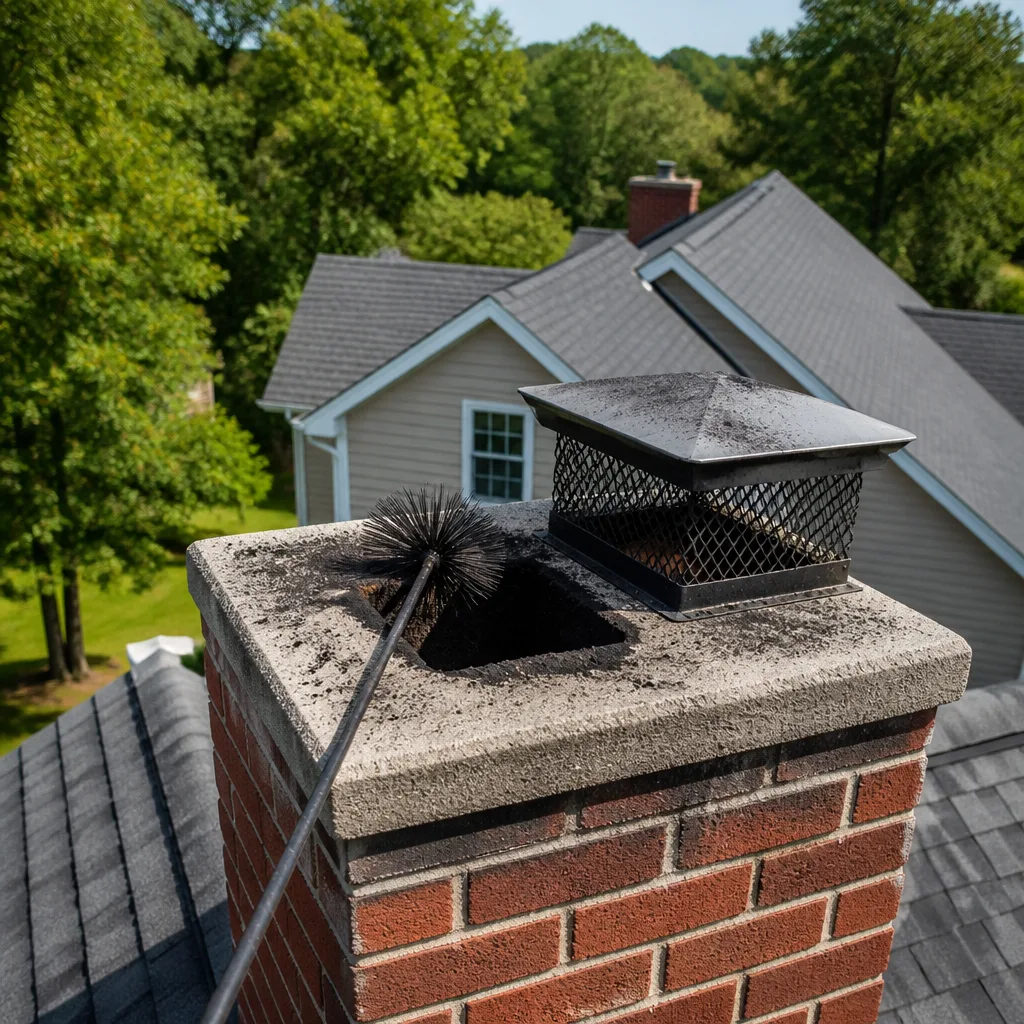 Sweep & inspection
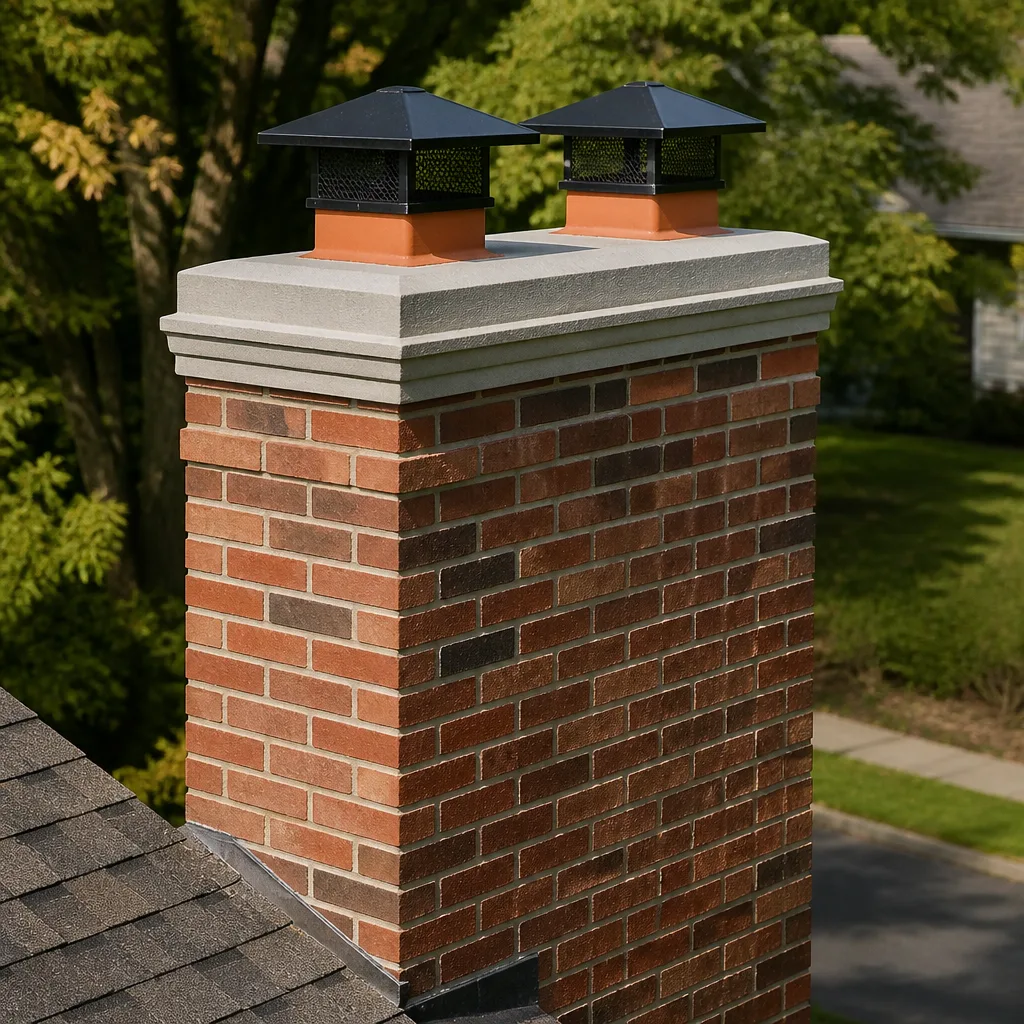 Caps & crowns
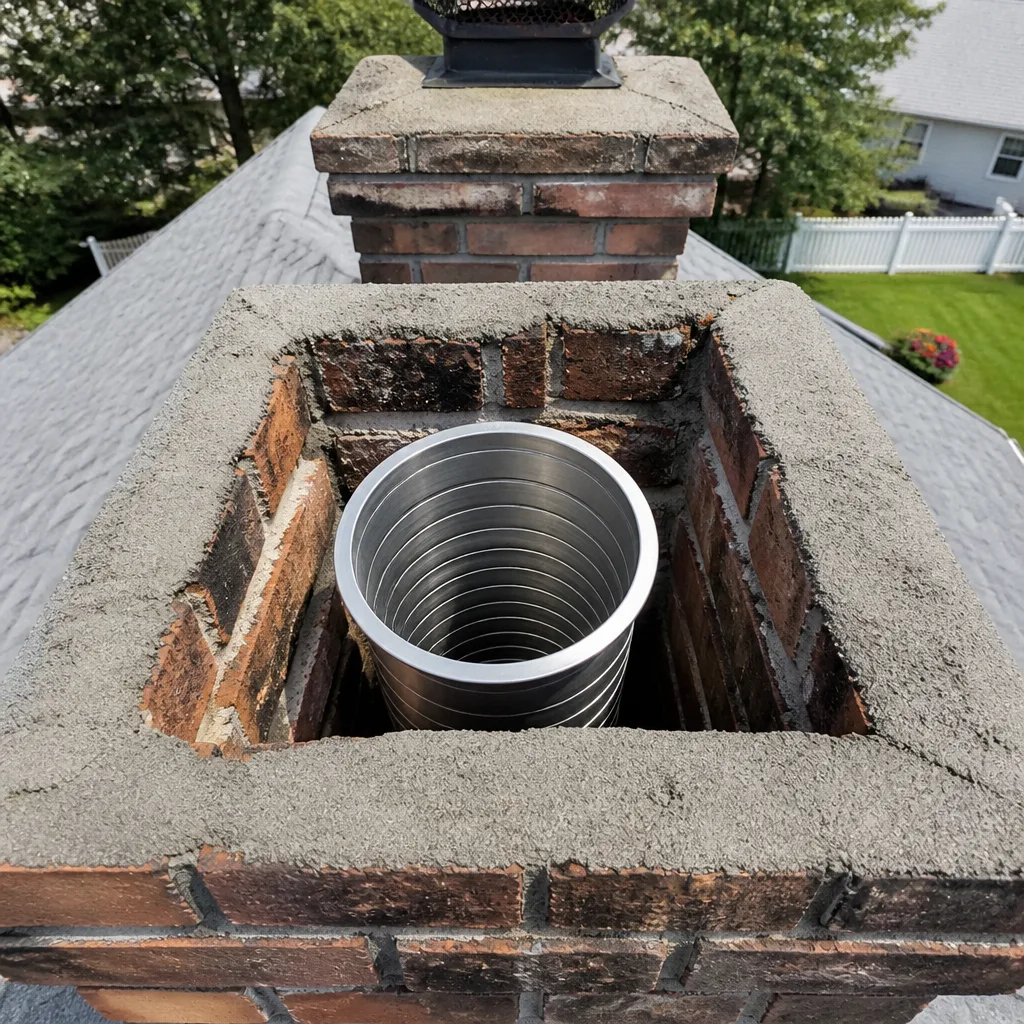 Flue relining
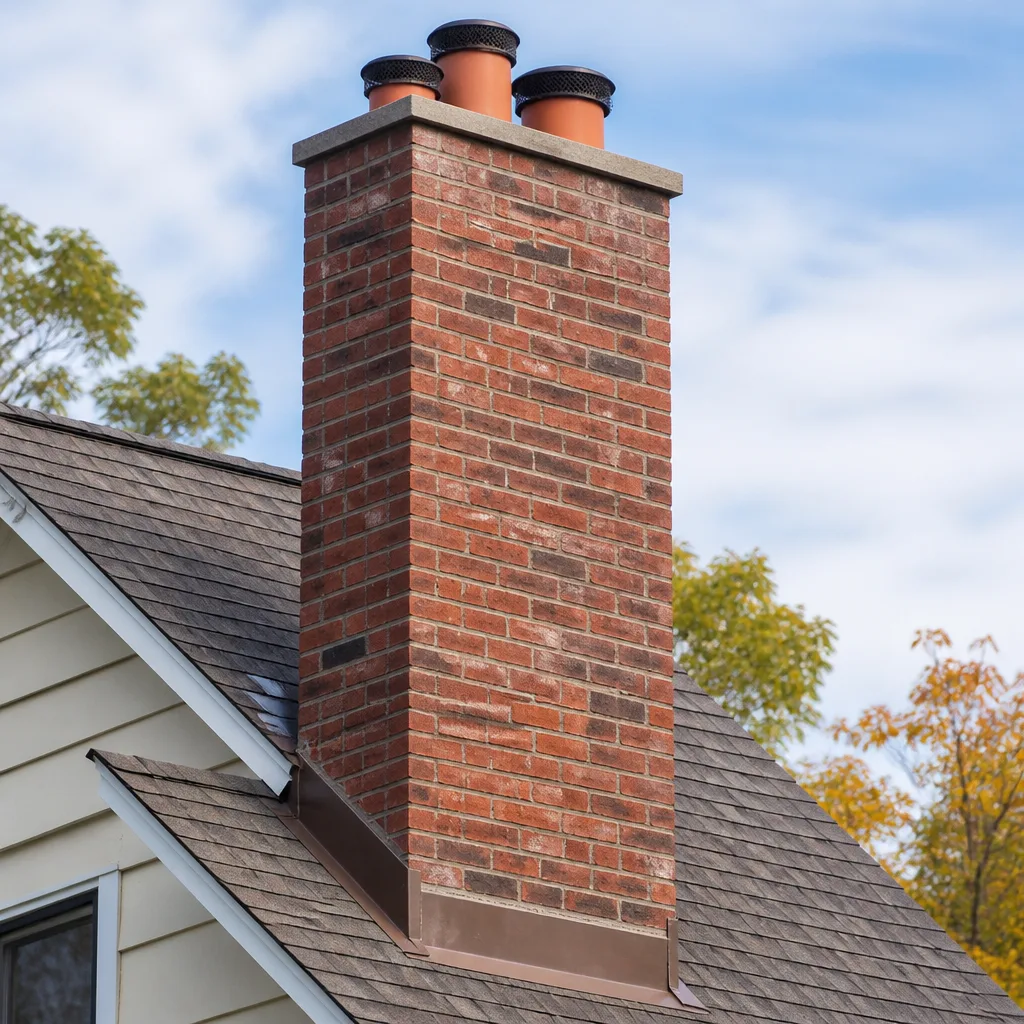 Masonry repair
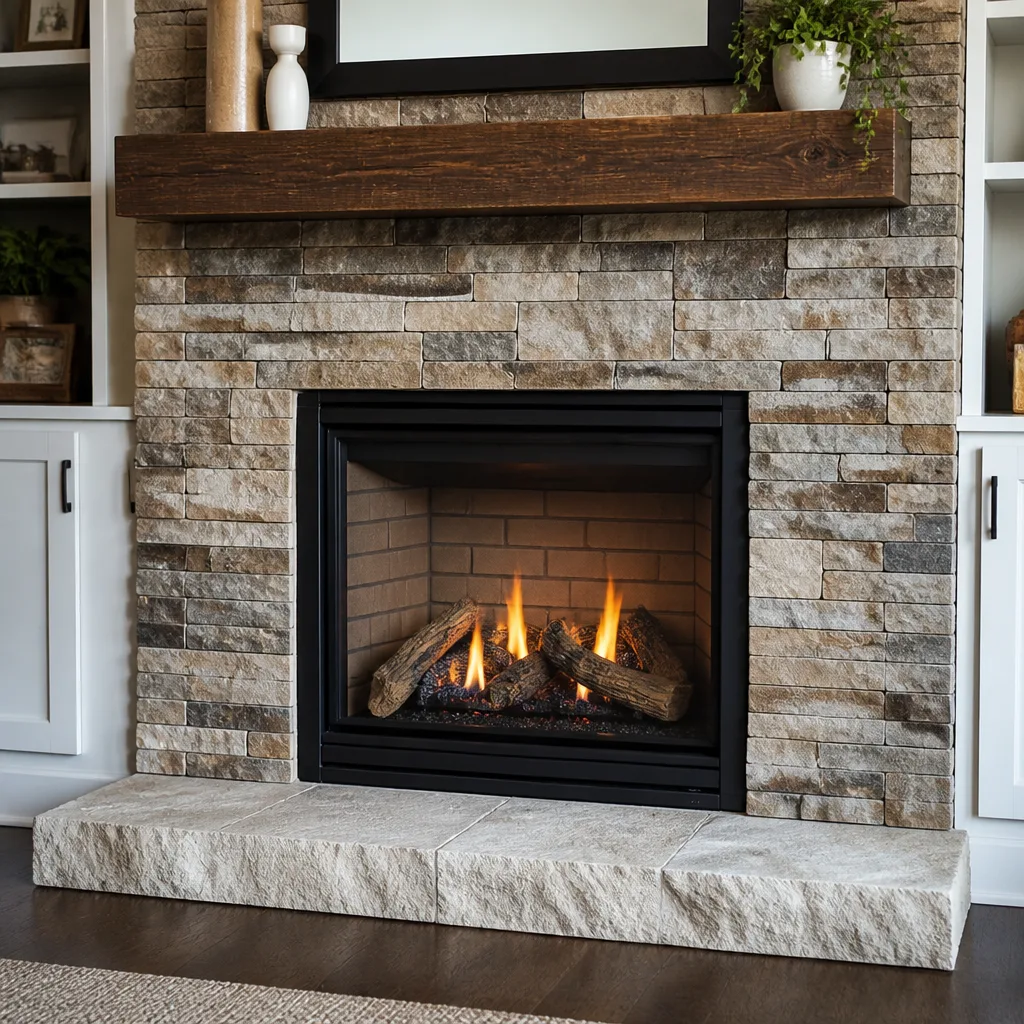 Gas fireplace service
Level 1 sweep and inspection to the NFPA 211 annual standard - flue, crown, cap, and flashing checked and photographed
Chimney sweep logs do not sweep chimneys. They loosen some creosote - which then falls where a brush and vacuum still have to collect it.
Chimney Sweep Maintenance Checklist for Lake Forest Homeowners
Most chimney problems in Lake Forest don’t announce themselves. Our technicians see the same pattern on a large share of the local chimneys we inspect: a cracked crown or hairline mortar joint that developed slowly because the fireplace sat idle for most of the year. Mild winters mean many Lake Forest households light fewer than ten fires in a season, and light use is exactly what hides slow damage. This guide is a working checklist built around how Lake Forest homes actually live – Spanish-tile rooflines, single-story footprints, and long stretches between burns. You’ll learn what to check yourself, what needs a trained eye, and when a sweep is genuinely due.
Quick Answer
A chimney in Lake Forest should be swept when the flue has roughly an eighth inch of creosote buildup, inspected annually regardless of how often you burn, and visually checked after any strong Santa Ana wind event. Light-use households still need one yearly inspection because the mild climate lets cracks in the crown and mortar worsen without the freeze-and-thaw signals colder regions rely on. Book a sweep and inspection before your first burn of the season, and keep a written record of what was found.
Styles & brands we work with
- Sweep & inspection
- Caps & crowns
- Flue relining
- Masonry repair
- Gas fireplace service
Table of Contents
- Pre-Season Checklist for Light-Use Lake Forest Homes
- What You Can Safely Check Yourself from Ground Level
- Post-Santa Ana Event Check: What to Look For
- Annual vs. Biennial Sweep Thresholds
- The October Documentation Habit
- The Six Inspection Markers We Check Every Visit
- Sweep, Repair, Cap, and Crown: Which Service Does What
- How to Build a Yearly Chimney Rhythm
Pre-Season Checklist for Light-Use Lake Forest Homes
Light use is its own category, and most generic checklists skip it. A Lake Forest home that burned eight fires last winter is a different inspection job than a household burning nightly from November to February. Here’s the pre-season list we run for light-use homes in Lake Forest, and the reasoning behind each item.
- Check the damper before anything else. A damper that opens stiffly or sticks partway is common after months of disuse. Open and close it fully a few times before you light the first fire, and note any change in feel.
- Shine a light up the flue from the firebox. Look for soot texture, any visible glaze, and nesting material. Birds build in idle chimneys here because the flue sits untouched for so long.
- Confirm the cap is still seated. Wind is the biggest cap threat in this climate, not snow or ice. A cap that lifts or shifts opens the flue to rain and animals.
- Wipe the smoke shelf area free of debris. The smoke shelf collects soot and dust and can hold a surprising amount on a fireplace that only ran a handful of times.
- Test the smoke alarm and carbon monoxide detector. Replacing batteries each fall matters more than people give it credit for, especially in a home where the fireplace runs rarely enough that you’d forget about it.
- Book the inspection early. Mild Lake Forest weather means most homeowners think about their chimney only when they first try to use it. Getting ahead of the first cool evening saves the scramble.
Every one of these is a pre-season task you can complete in under thirty minutes. The chimney sweep itself is a separate step – that’s the professional flue cleaning, and it’s what confirms whether the debris you can’t see from below is a problem.
What You Can Safely Check Yourself from Ground Level
There’s a real line between what a homeowner should check and what belongs in the hands of a trained technician. Standing safely on the ground and looking up, you can check three things in a Lake Forest home without touching the roof or going on it:
- Damper movement. If the damper feels stiff, gets stuck, or won’t latch closed, that’s a ground-level observation worth noting. It’s a firebox-side issue you can test from inside the room.
- Visible mortar gaps at the crown. From the ground, you can see the crown – the sloped concrete top of the chimney – and check whether it looks like one continuous piece or has visible seams or cracks. Hairline cracks you can see from ground level are worth mentioning to a sweep.
- Smoke shelf debris. Reaching into the firebox with a flashlight and mirror, you can glance at the smoke shelf behind the damper. Soot, leaf debris, or a visible bird’s nest is worth flagging.
What you should not do: climb the roof to inspect the flue, reach into the chimney beyond the smoke shelf, or attempt to clear a blockage yourself. A blocked flue can push carbon monoxide into the living space, and it’s not a job for anyone without proper equipment. A trained professional is the right call for anything beyond the ground-level view.
We handle the full chimney – from the firebox to the crown – so on a single visit we can resolve a stiff damper, a visible crown crack, and a dirty flue without sending you to three separate trades. One call, no subcontractors.
Post-Santa Ana Event Check: What to Look For
Santa Ana winds are the most underrated seasonal event for Lake Forest chimneys. When the winds gust hard through the El Toro area, chimney components take a beating that isn’t obvious until you go looking. After a strong Santa Ana event, run through this check:
- Walk the yard and the roofline. Look for cap pieces, mortar chips, or flashing that came loose. A cap that lifted in the wind is the most common issue.
- Inspect the firebox. Grates, log holders, and the firebox refractory can shift in heavy wind pressure through the flue. Look for cracks in the firebrick.
- Check the damper again. High wind can dislodge a damper that was partly open. If you hear wind whistling through the firebox with the damper shut, that’s a sign it isn’t sealing.
- Note any new soot streaks on the exterior crown. Wind-driven rain in Lake Forest is less common than in wetter regions, but the Santa Ana pattern can push water against the crown slope. Fresh vertical streaks suggest water tracking into a crack.
- Recheck the interior firebox for smell. After high wind, a distinct smoky odor in a room with no fire is a signal that the flue isn’t drafting properly.
This is what a chimney repair inspection during a Santa Ana week frequently picks up: a small wind-shifted crown crack that hadn’t been visible before the event. A quick post-event check every October and November catches these before they grow.
Annual vs. Biennial Sweep Thresholds
The honest answer is that most Lake Forest homes sit right at the threshold, and homeowners should decide based on use pattern, not on habit. Here’s a working rule we’ve found accurate across local households:
- Annual sweep is warranted if you burned more than twenty fires in the season, burn unseasoned wood, or use the fireplace as a primary heat source during the cool months.
- Annual inspection, biennial sweep is a reasonable cadence if you burned under twenty fires, use well-seasoned hardwood, and had no repairs flagged at the last visit.
- Biennial may slip to a lighter schedule if the fireplace is essentially decorative and has been unused for multiple seasons, though annual inspection is still worth doing because the crown and mortar can degrade while the firebox sits cold.
None of that substitutes for looking at the actual flue. Creosote accumulation depends on burn temperature, wood moisture, and draft, all of which vary more than a simple count of fires reveals. A sweep with a flue camera settles the question in ten minutes.
In our experience, the more useful question than “how often” is “when did you last look?” A Lake Forest homeowner who burned four fires last year but hasn’t had the flue inspected in three is a higher risk than one who burned thirty fires but had an annual inspection two seasons ago.
The October Documentation Habit
Every October, before the first fire, photograph the chimney crown, cap, and any accessible roofline. That’s the habit that saves money down the road, and it’s the one Lake Forest homeowners most often skip.
Why it works:
- It creates a baseline. A hairline crack that looks alarming in March looks completely different when you have a photo from October showing it was already there and hasn’t grown.
- It separates new damage from old. After a Santa Ana event, comparing this week’s photo to this October’s tells you whether the new mark is worth a service call.
- It shows a technician exactly what changed. When we arrive for an inspection, a yard-side photo from six months ago can save a full sweep diagnostic.
Take the photos from a safe position – ground level or a stable second-floor window – and never go on the roof to get a closer shot. Save them to a folder labeled by year. This single habit replaces most of the guesswork in chimney maintenance.
The Six Inspection Markers We Check Every Visit
Every professional inspection covers the same core items, and knowing them helps you understand what a sweep is looking for. Here are the six markers we check on every Lake Forest chimney:
- Creosote buildup depth in the flue. Measured visually or by camera, not by guesswork.
- Crown condition. The crown is the concrete cap that sheds water off the chimney. Cracks and separation are the most common defect we find in this climate, and a failed crown lets water into the masonry.
- Cap seating and screen condition. The cap keeps rain, animals, and sparks out of the flue. Missing screens and lifted caps are routine findings.
- Mortar joints between flue tiles. Gaps here let gases escape into the wall cavity. This is where a liner restoration product like HeatShield earns its reputation.
- Flue tile integrity. Cracked tiles need either a liner restoration or a full DuraFlex liner installation.
- Firebox and damper. The fireplace repair side of the visit covers brick spalling, damper operation, and grate condition.
Inspection first – so repairs are only done when they’re actually needed. That’s the order we work in. Nothing gets recommended on the basis of a sales script; the camera images and the visible defects drive the conversation.
Sweep, Repair, Cap, and Crown: Which Service Does What
Homeowners sometimes assume “chimney sweep” and “chimney repair” are the same booking. They’re distinct services, and knowing which one you need saves a call.
- Sweep – removes creosote and debris from the flue and smoke shelf. This is the cleaning service, and it comes with a camera inspection.
- Inspection – formal review of the full chimney system, from firebox to crown. Often bundled with a sweep.
- Fireplace repair – firebox, damper, grate, and refractory work on the room-side components.
- Chimney repair – structural masonry, brick, mortar, and flue tile repair. This is where liner restoration or re-lining work lands.
- Cap and crown – the top-of-chimney services that protect everything else. A crown rebuild after a masonry repair is normal, not upsell.
We work with professional-grade brands chimney technicians actually trust – DuraFlex for flexible liner systems on damaged or unlined flues, and Olympia Chimney for cap and crown products that hold up against local wind. HeatShield liner restoration is a cost-effective alternative to a full liner replacement that most general home-services companies don’t carry or don’t know how to apply. Families and Copperfield products round out the roster when specific fittings are needed.
One specialist team handling all five services means a single visit covers what would otherwise require multiple vendors, and there’s no handoff where details slip through. Protect what you’ve already paid to repair – that’s what the cap and crown work does.
How to Build a Yearly Chimney Rhythm
A checklist only works if it’s attached to a calendar. Here’s the yearly rhythm we recommend for Lake Forest homes, based on how the seasons actually track here:
- October – documentation and pre-season check. Photograph crown, cap, and roofline. Test damper and smoke detectors. Book the sweep and inspection before the first cool evening.
- November through February – active burn season. Monitor for new smoke odor, damper stiffness, or unusual draft behavior. Note anything out of the ordinary.
- Any time a Santa Ana event hits – post-event walkthrough. Yard walk, roofline glance, firebox check, damper test.
- March or April – post-season inspection if you burned heavily. A quick sweep before warm weather sets in keeps the flue clean through the idle months.
- Summer – idle season. No action required for most homes, though a bird’s nest or debris check is worth doing if you notice activity around the cap.
This rhythm carries the whole year with two professional touchpoints – a fall inspection and a spring sweep if needed. Everything else is homeowner observation.
Common Mistakes to Avoid
- Assuming a lightly used fireplace doesn’t need an inspection. The mild Lake Forest climate means the crown and mortar can degrade while the firebox sits cold. Light use hides slow damage rather than preventing it.
- Letting a cracked crown sit through a Santa Ana season. Wind-driven rain tracking into a crack is the most reliable path to masonry damage. A crown repair is quicker and less expensive than a rebuild, so catching it early matters.
- Using a general handyman for chimney work. Chimney systems have their own code requirements, their own brands (DuraFlex, HeatShield, Olympia Chimney, and similar), and their own inspection markers. A handyman without chimney training will miss half of them.
- Skipping the cap because “it looks fine.” Caps and screens do most of the work of protecting the flue, and wind here can lift or shift a cap without an obvious sign from the ground. A cap that isn’t seated is a real defect.
- Burning unseasoned wood to extend the season. Wet wood produces more creosote per fire than dry hardwood, which pushes a light-use home into the annual-sweep category by sheer accumulation.
- Forgetting to document the crown each October. A baseline photo is the single cheapest way to keep a small crack from being diagnosed as a rebuild in a later season.
- Ignoring a smoky smell in the room when there’s no fire. That’s a draft signal, usually from a damper that isn’t sealing or a flue that’s blocked. Worth a call rather than a second guess.
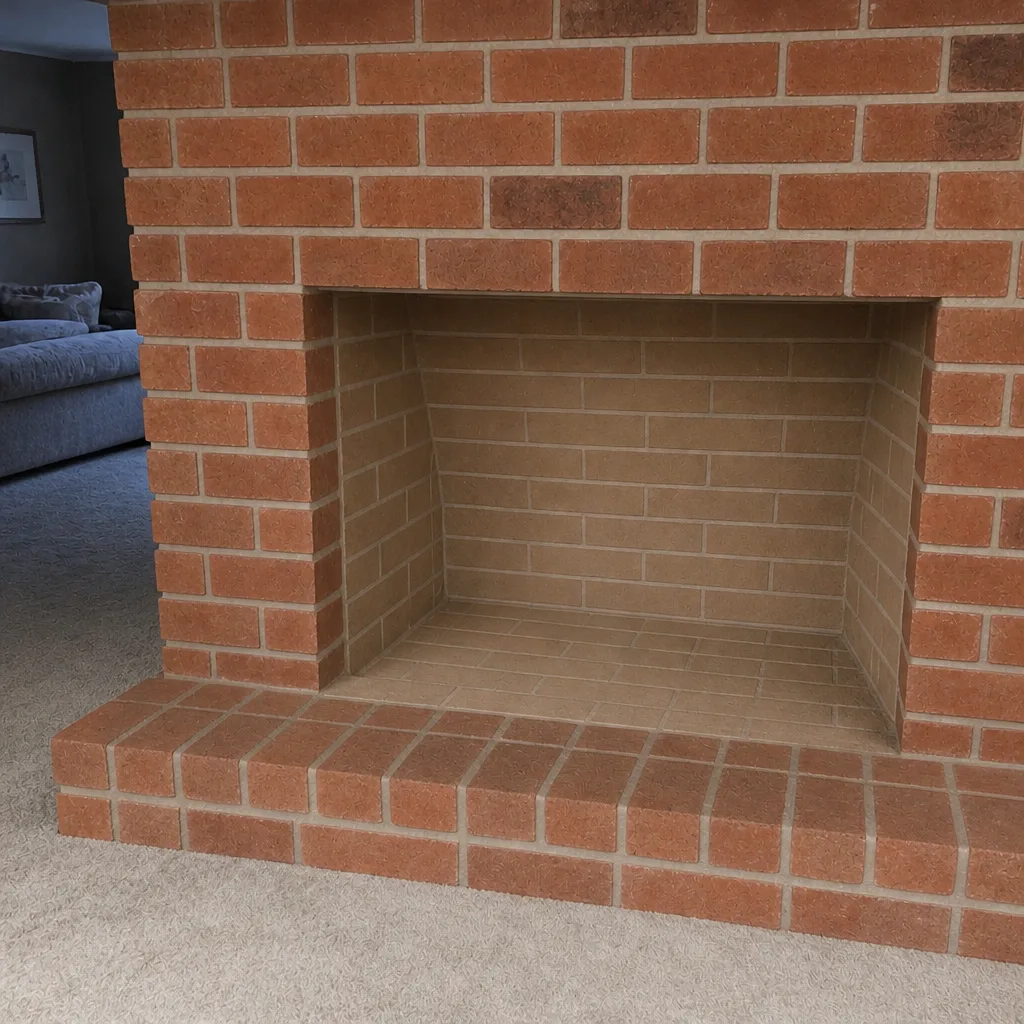
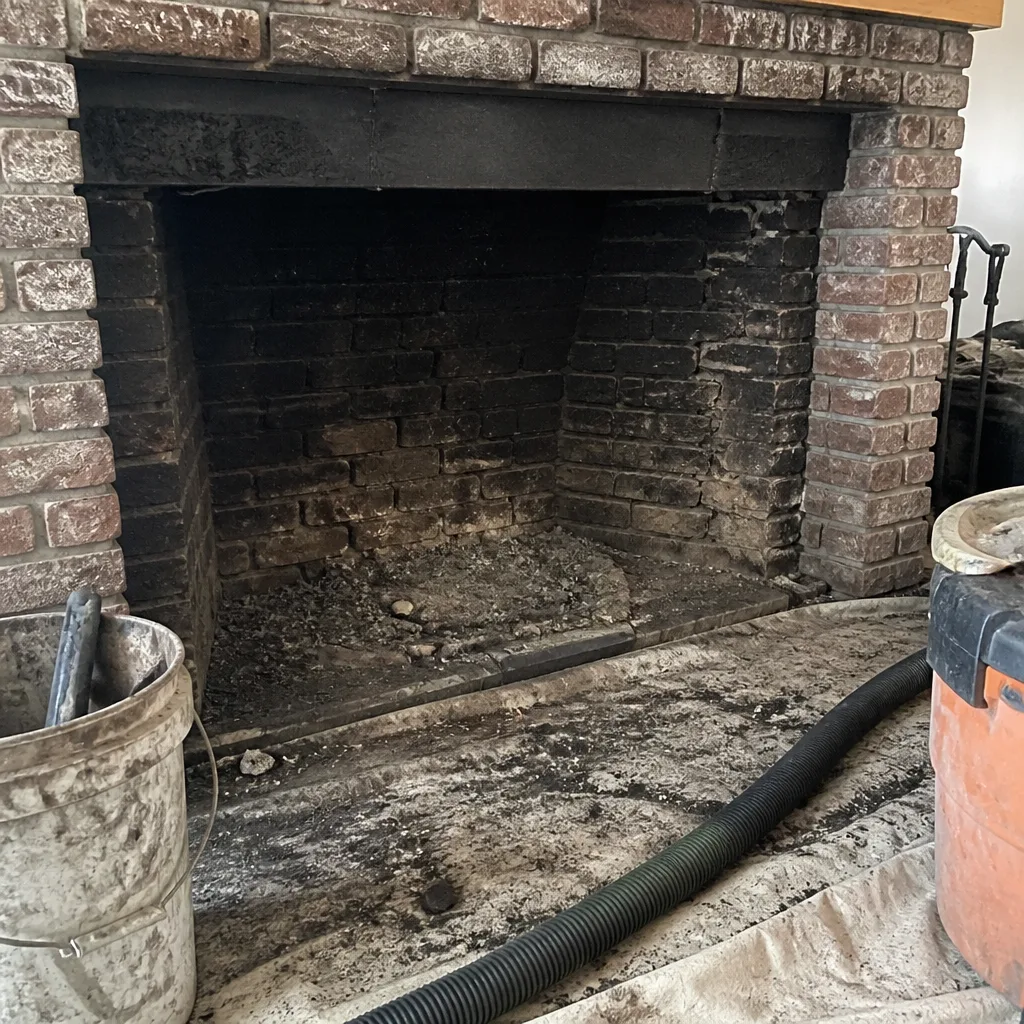
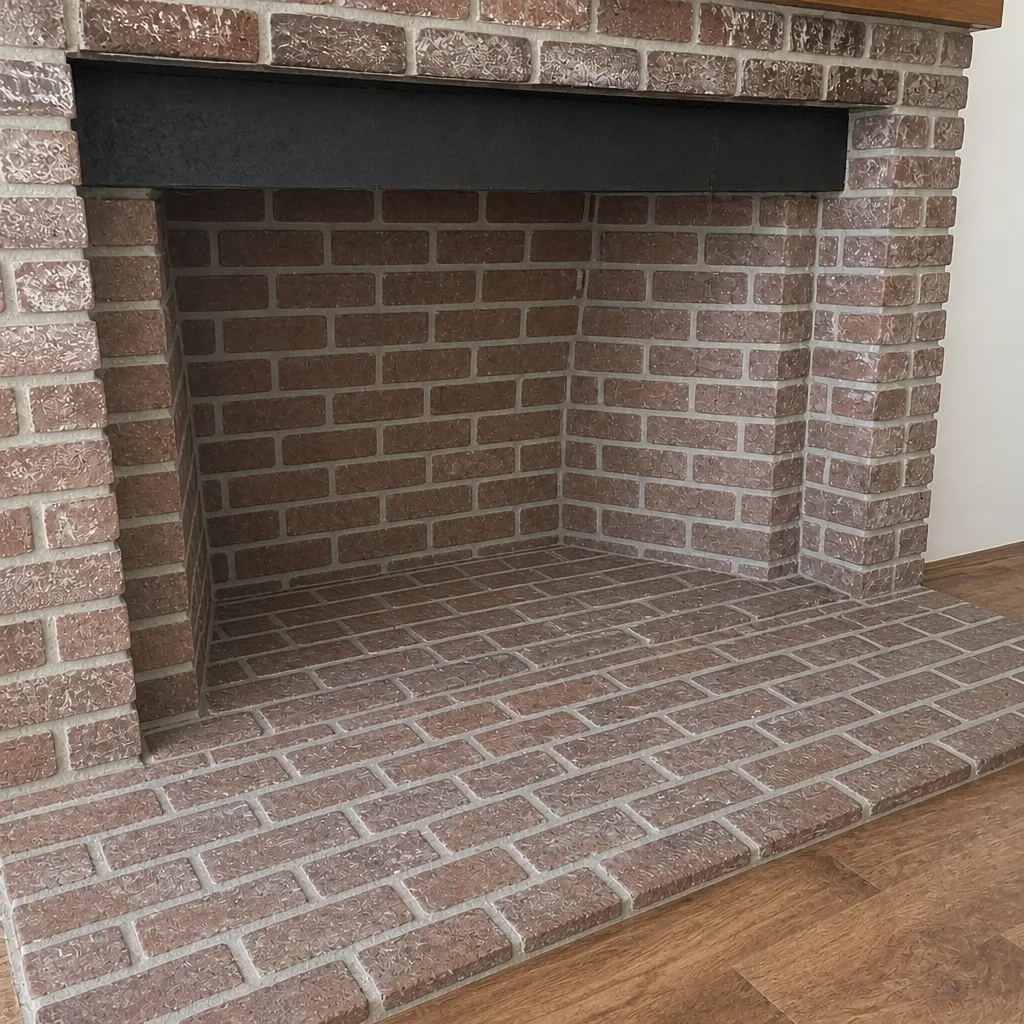
See the difference
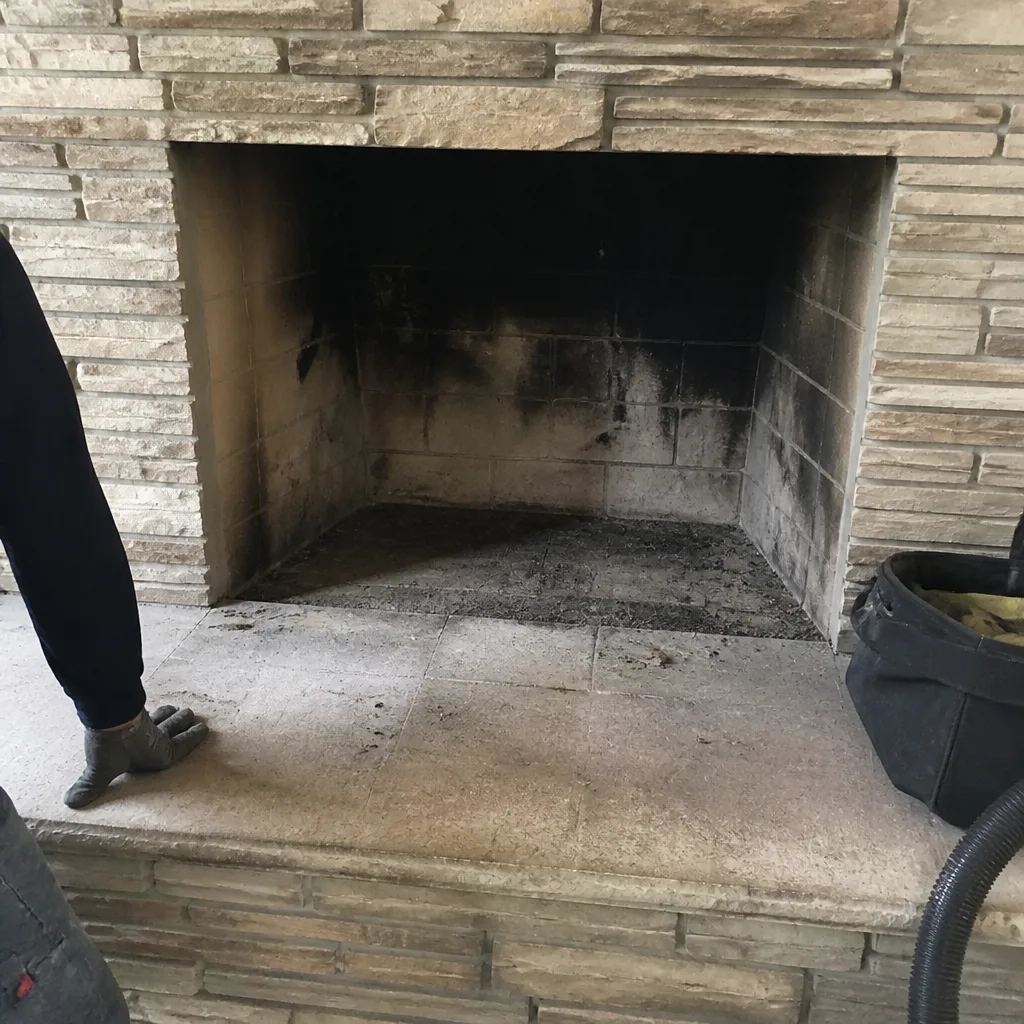 Before
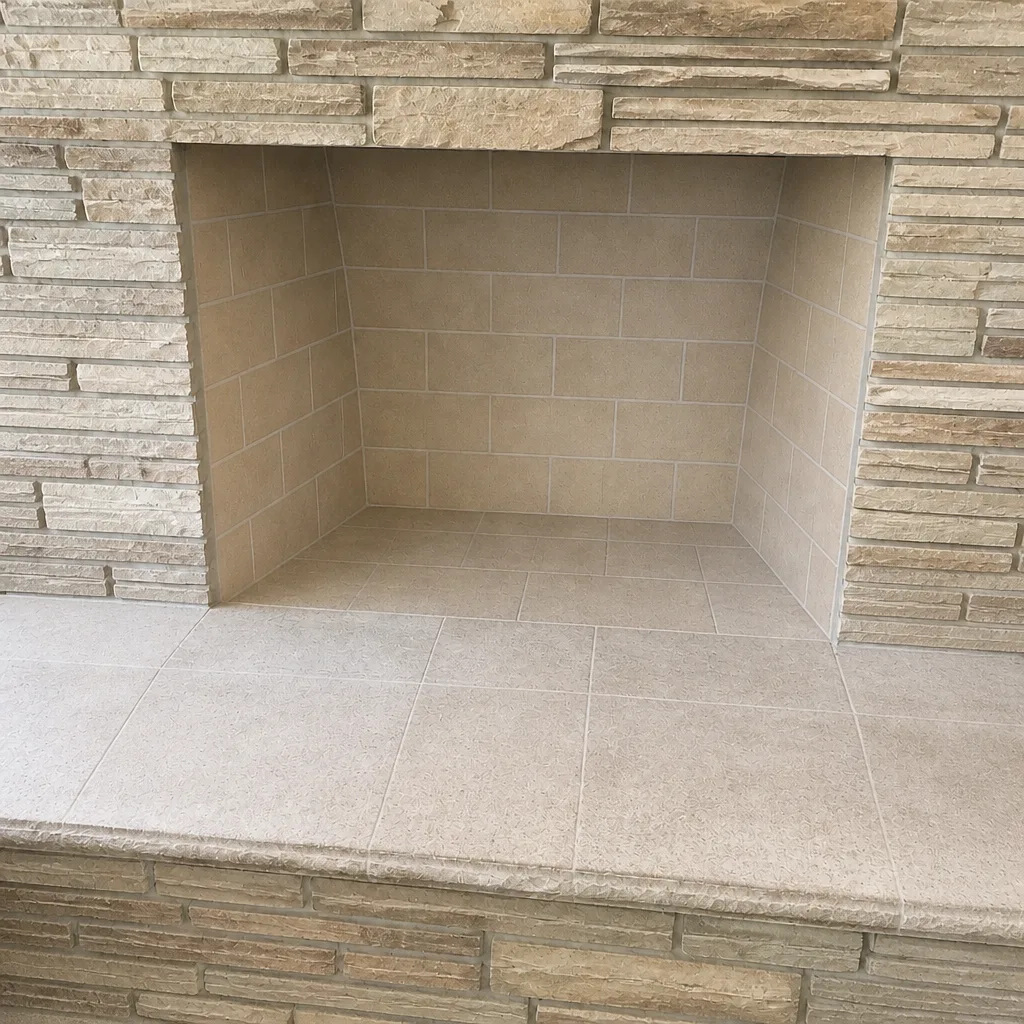 After
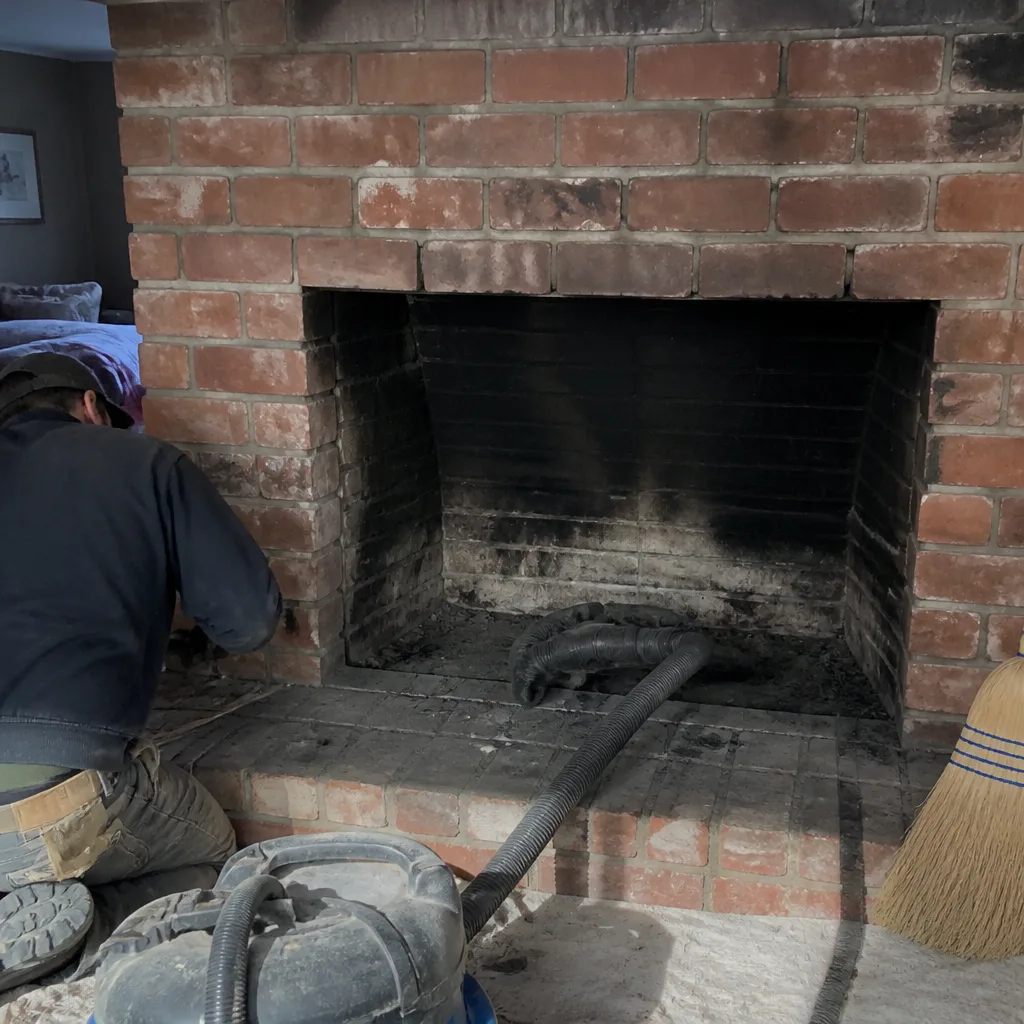 Before
 After
 Before
 After
When to Call a Professional
Call a professional when a ground-level check turns up visible mortar gaps at the crown, when the damper stops moving freely, when you smell smoke in a room with no fire, when a Santa Ana event leaves something visibly shifted on the roofline, or when the flue hasn’t been inspected in more than a year. Also call if the previous owner’s service history is unclear – you have no baseline, and an inspection gives you one. For most other situations, the October checklist and the yearly rhythm above cover it, and a trained eye on the sweep visit will catch the rest. Lake Forest Chimney Sweep Pros offers free estimates in Lake Forest – call (833) 468-5670. We answer 24/7. Fast dispatch from 7am to 7pm, Sunday through Friday.
Frequently Asked Questions
A standard sweep in Lake Forest typically runs in the low-to-mid hundreds of dollars, and a sweep bundled with a camera inspection costs somewhat more. The written estimate sets the final price and covers the full scope before any work begins. Call (833) 468-5670 for an exact quote – estimates are free.
Most Lake Forest homes do well on an annual inspection with a sweep every one to two years, depending on how many fires they burned and what wood they used. A household burning fewer than ten fires a year with dry hardwood can often stretch to a biennial sweep, while heavier users need annual service. Call (833) 468-5670 for an exact quote – estimates are free.
Restoration, not replacement, is often the right answer when the flue tile is intact but the mortar joints between tiles have gaps. HeatShield liner restoration seals those joints without removing the existing flue, and it’s a cost-effective alternative to a full liner replacement for many Lake Forest chimneys. A full DuraFlex liner installation is the correct call when the flue tiles themselves are cracked or the chimney is unlined. Call (833) 468-5670 for an exact quote – estimates are free.
A skipped inspection doesn’t fail immediately – that’s part of the problem. Cracks in the crown and mortar worsen slowly, and the mild Lake Forest climate means there’s no freeze-and-thaw to signal the damage. Over time, water intrusion undermines the masonry, and a blocked or damaged flue increases carbon monoxide risk. Call (833) 468-5670 for an exact quote – estimates are free.
Yes – a cracked crown is the most common defect we find on Lake Forest chimneys, mostly because the mild climate lets it develop quietly over years. A crown crack lets water track into the masonry on the rare wind-driven rain event, which weakens the whole chimney. Crown repair or rebuild is a straightforward fix if caught early. Call (833) 468-5670 for an exact quote – estimates are free.
You can safely check the yard and roofline from ground level, test the damper, and look at the firebox for shifted grates or cracks. Anything that requires reaching the roof, opening the flue beyond the smoke shelf, or clearing a blockage is a job for a trained professional – carbon monoxide risk makes flue blockages a genuine hazard. Call (833) 468-5670 for an exact quote – estimates are free.
The Bottom Line
The Lake Forest chimney runs on a light-use pattern that most checklists aren’t built for, which makes documentation and observation more important than burn-night diligence. Photograph the crown and cap each October, note the damper’s feel, glance at the smoke shelf, and book an inspection before the first cool evening. After any Santa Ana event, run the post-wind walkthrough. When a crack, a stiff damper, or a smoky smell in an idle room turns up, call a trained technician rather than the handyman who does the gutters. For a Lake Forest home that burns a handful of times a year, the sweep and inspection is the whole maintenance program, and one specialist visit covers firebox to crown.
Written by the team at Lake Forest Chimney Sweep Pros.