
Last updated November 25, 2026
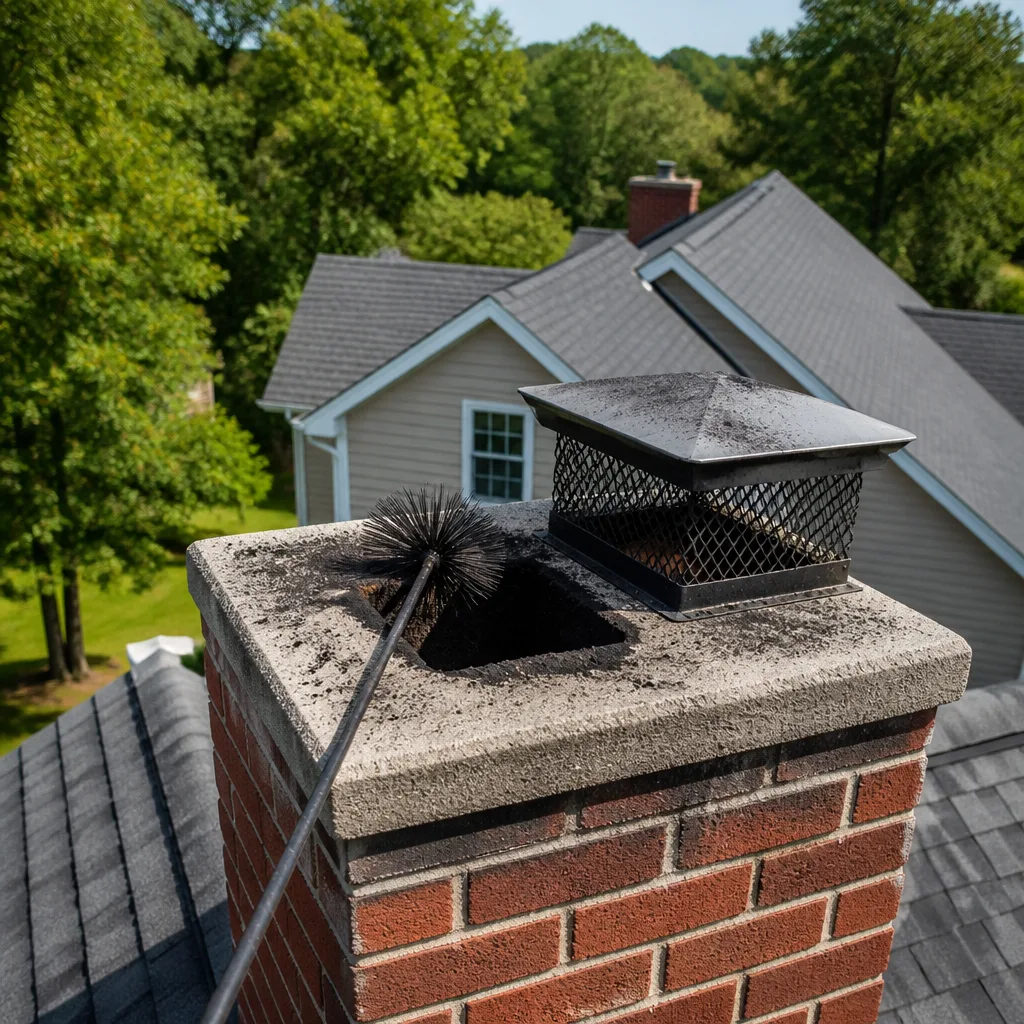 Sweep & inspection
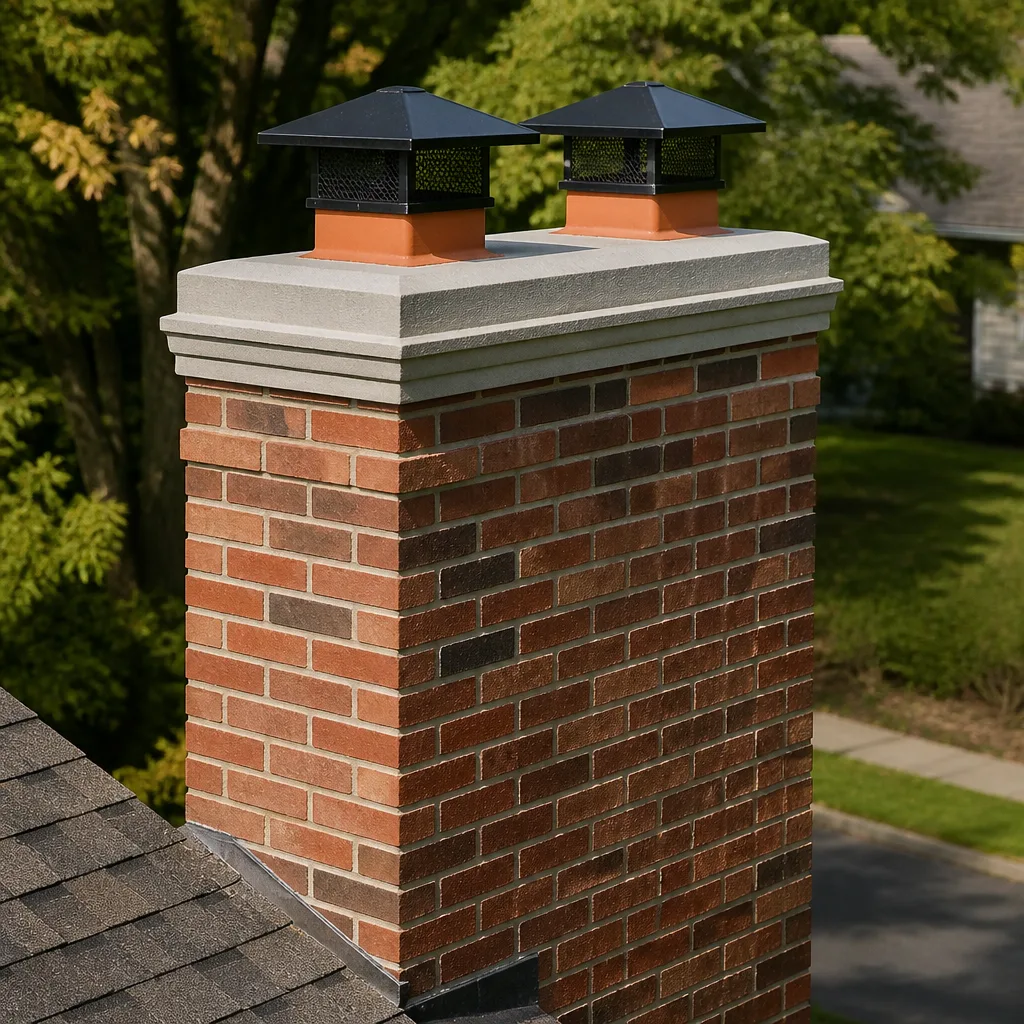 Caps & crowns
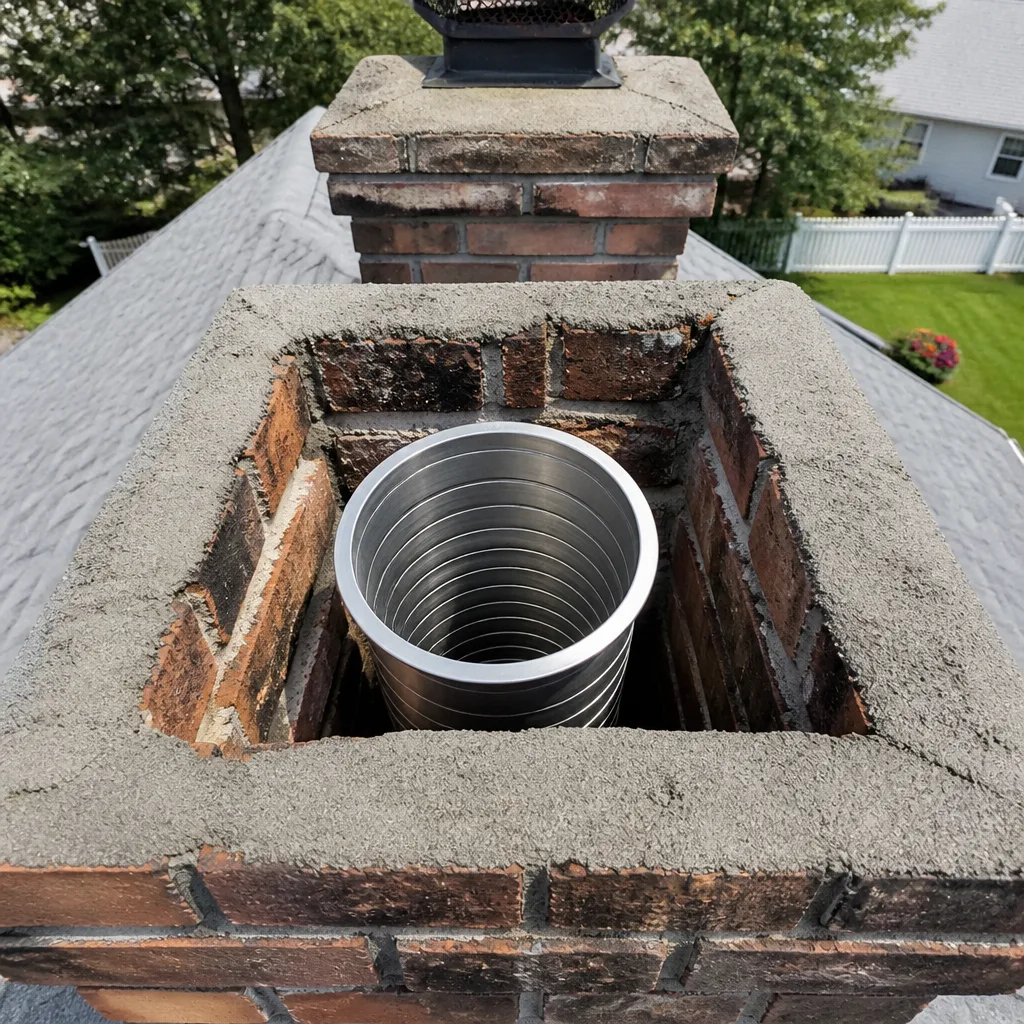 Flue relining
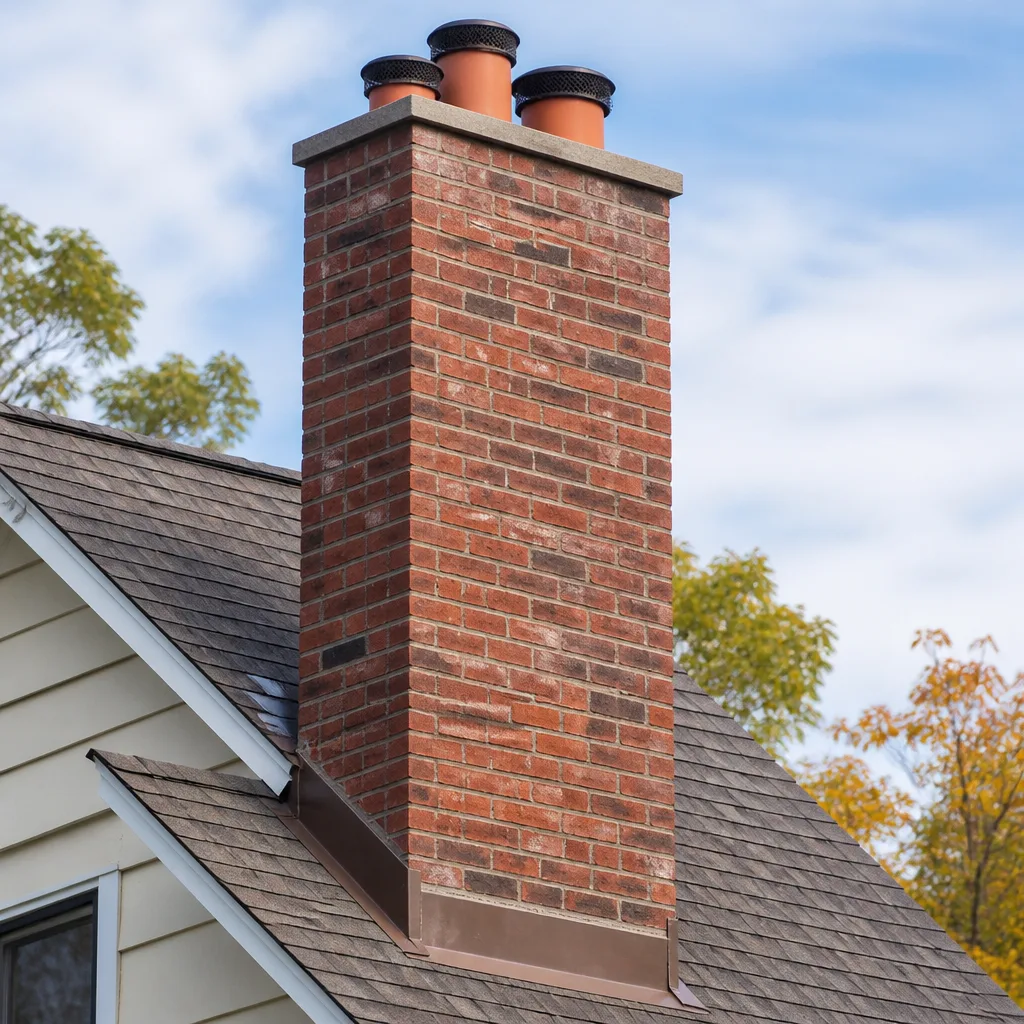 Masonry repair
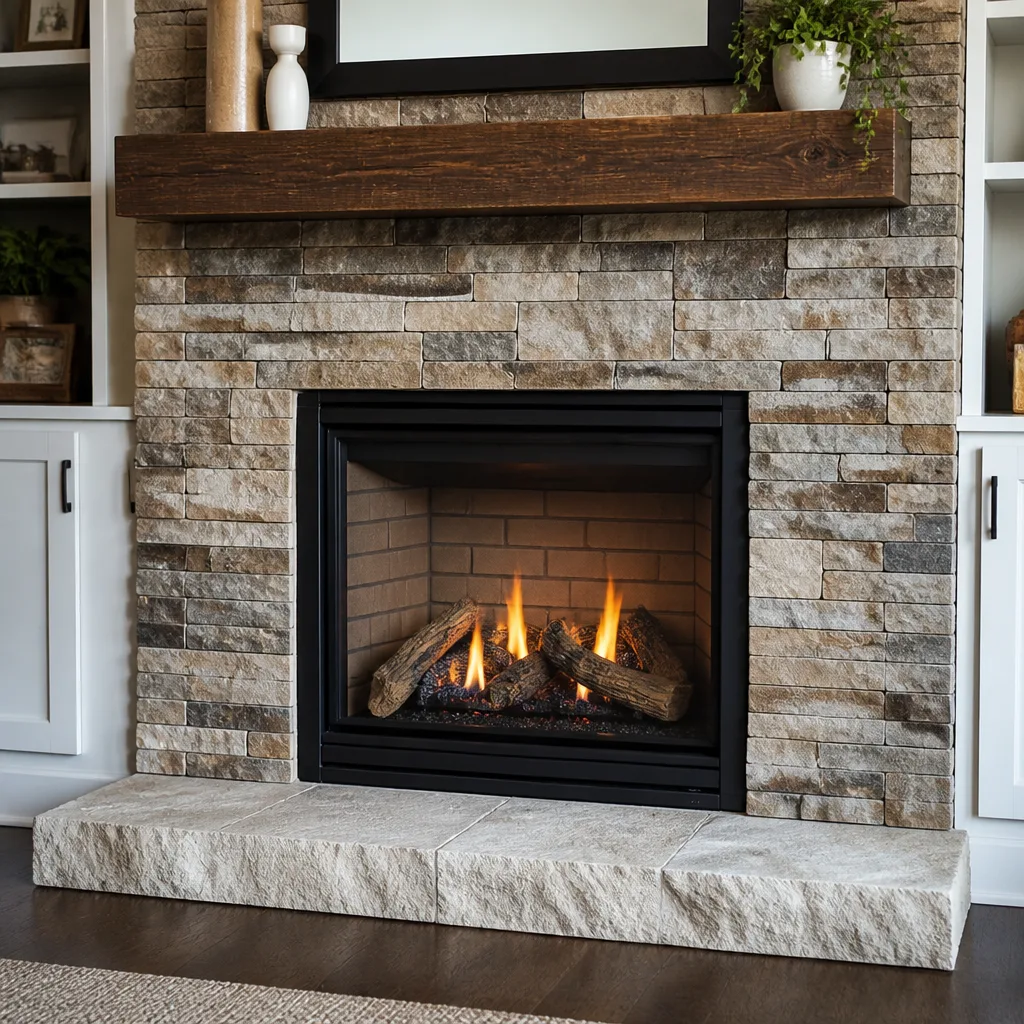 Gas fireplace service
Level 1 sweep and inspection to the NFPA 211 annual standard - flue, crown, cap, and flashing checked and photographed
Chimney sweep logs do not sweep chimneys. They loosen some creosote - which then falls where a brush and vacuum still have to collect it.
The Complete Guide to Chimney Cleaning in Lake Forest
Most chimney guides are written for houses that burn wood six months a year in places where winter means snow on the roof. Lake Forest isn’t that. Here, a fireplace might run a few evenings in December, sit cold through a mild January, then come back to life during a cool spring stretch. That pattern changes everything about what builds up inside a flue and when it needs attention. It’s why the eight Santa Ana wind events since last February matter more to a Lake Forest chimney than the burn season did. In this guide we’ll walk through how cleaning actually works in this climate, what the three inspection levels mean, and how to read a written report so you know when to act and when to wait.
Quick Answer
Chimney cleaning in Lake Forest means removing creosote, soot, and wind-driven debris from the flue, firebox, and smoke chamber, then inspecting the whole system so you know its real condition. Because local burn seasons are short and adhesive creosote builds up thin but stubborn, most Lake Forest homes need a sweep once a year, and a Level 2 inspection after any long gap in use or before a home sale. A proper job ends with a camera inspection and a written report, not just a brush down the flue.
Styles & brands we work with
- Sweep & inspection
- Caps & crowns
- Flue relining
- Masonry repair
- Gas fireplace service
Table of Contents
- Why Chimney Cleaning Works Differently in Lake Forest
- What Santa Ana Winds Do to an Unused Chimney
- The “Light Use” Creosote Pattern and Why It’s Tricky
- Level 1, Level 2, and Level 3 Inspections Explained
- A Sweep-Only Visit vs. a Full-Service Cleaning
- How to Read a Chimney Inspection Report
- “Monitor” vs. “Repair Before Next Use”
- How Often Should You Schedule Cleaning?
Why Chimney Cleaning Works Differently in Lake Forest
National chimney advice assumes a cold climate: long burn seasons, heavy wood consumption, and thick, tarry creosote that builds fast. Lake Forest doesn’t work that way. Winters here are mild, and many households burn lightly and intermittently. That produces a creosote pattern the standard guides don’t describe well, and it means the cleaning calendar here is shaped by wind and dust as much as by firewood.
Three local conditions drive what we find inside Lake Forest flues:
- Low humidity. Dry air keeps wood seasoning and burning cleanly, but it also lets fine ash stay loose and airborne longer, so it settles into the smoke chamber and damper area rather than clumping.
- Santa Ana wind events. These dry, gusty winds push dust, leaf litter, and fine grit into uncapped flues and stress liners through pressure changes. A chimney that sat idle all summer can collect a surprising amount of material.
- A delayed, short burn season. When the first cool evenings arrive later than in mountain towns, homeowners often light the first fire without thinking about what’s been sitting in the flue for months.
That combination is why a Lake Forest chimney sweep isn’t just about creosote. It’s about clearing wind-driven debris, checking that a liner hasn’t been stressed or cracked by pressure swings, and confirming the cap and crown are still doing their job. If you’ve ever wondered what a thorough job actually looks like here, that’s the frame to hold: cleaning, then inspecting, then protecting.
A sweep is only half the picture. The structural side, from liner condition to crown cracks, is covered in our chimney repair service, and we handle both under one roof so nothing gets left half-done.
What Santa Ana Winds Do to an Unused Chimney
Santa Ana winds are the single most underrated factor in Lake Forest chimney condition. These dry, gusty offshore winds don’t just blow past a house; they create pressure differences across the roofline that can pull air down an uncapped flue and push fine debris up into it. Over a summer of repeated events, an open chimney becomes a collection point.
What typically ends up inside after a windy off-season:
- Leaf litter and twigs dropped from overhanging trees, which can partially block the flue and restrict draft.
- Fine grit and dust that settles into the smoke shelf and smoke chamber, where it’s hard to see without a camera.
- Nesting material from birds and small animals that find an uncapped flue inviting.
- Stress on the liner from repeated pressure changes, which can widen small existing cracks over time.
The practical takeaway: a chimney in Lake Forest needs attention after the windy season, not only after the burn season. A flue that looks fine from the hearth can hold a real debris load up top. The fix for most of this is simple and inexpensive: a properly fitted chimney cap. A cap keeps wind-driven material and animals out, and it protects the work you’ve already paid to have done. We install and repair caps and crowns as a core service for exactly this reason.
If your chimney has no cap, or the cap is loose or rusted, that’s the first thing worth addressing before the next windy stretch.
The “Light Use” Creosote Pattern and Why It’s Tricky
Creosote is the residue left when wood smoke cools inside a flue. In cold climates with heavy burning, it builds thick and tarry. In Lake Forest, where fireplaces run lightly and intermittently, the pattern is different: the deposits are often thin but highly adhesive, clinging to the liner wall in a glaze that a quick brush can miss.
This matters for two reasons. First, thin glazed creosote is still flammable, so “it doesn’t look like much” isn’t a safe reason to skip a sweep. Second, the wrong cleaning approach leaves it behind. A thorough sweep in this climate means mechanical cleaning sized to the flue, followed by a camera inspection to confirm the liner wall is actually clear.
What drives the deposit pattern here:
- Short, cool fires. Lighting a fire and letting it smolder produces more creosote than a hot, well-established burn.
- Unseasoned or damp wood. Wet wood smokes more and deposits more, regardless of climate.
- Restricted draft. A partially blocked or undersized flue cools smoke before it exits, which is where glazing forms.
The good news: annual cleaning catches this pattern before it becomes a problem, and a camera inspection confirms it’s actually gone. When a liner is sound but glazed, a HeatShield restoration can often resurface it rather than replace it, which is a less invasive option many sweep-only companies don’t offer.
Level 1, Level 2, and Level 3 Inspections Explained
Not every inspection is the same, and knowing which level you need prevents both overpaying and missing something important. The industry standard defines three levels, and each answers a different question.
- Level 1. A visual check of the readily accessible parts of the chimney and firebox, done with the standard tools of the trade. This is the right call for a chimney in regular use with no known problems, and it’s typically part of a routine annual sweep.
- Level 2. Everything in a Level 1 plus a video camera inspection of the flue interior and accessible portions of the system. This is the level you need after a long gap in use, after a chimney fire, after an earthquake or major wind event, when changing fuel type or appliance, or when buying or selling a home. For a Lake Forest house that sat unused through a windy off-season, this is usually the right choice.
- Level 3. The most detailed level, used when a Level 1 or 2 reveals a hidden problem that requires opening up concealed parts of the chimney or structure to inspect further. It’s targeted, not routine.
Here’s the practical guidance for Lake Forest homeowners: a routine annual cleaning fits a Level 1 as long as the chimney has been in steady use. But if the fireplace went a full year or more without use, or the home changed hands, a Level 2 with camera is the honest choice. The camera is what turns “it looks okay from here” into a real answer about the liner.
For a full breakdown of what each inspection covers, our chimney sweep page walks through the process step by step.
A Sweep-Only Visit vs. a Full-Service Cleaning
A sweep-only visit brushes and vacuums the flue and firebox. A full-service cleaning does that plus a camera inspection, a check of the cap, crown, and damper, and a written report on anything that needs follow-up. In a climate like ours, the difference matters because the wind-driven and structural findings often show up on the camera, not in the firebox.
What a full-service cleaning typically includes:
- Containment and HEPA vacuuming so no soot enters the living space.
- Mechanical sweeping of the flue sized to the liner.
- Cleaning of the firebox, smoke shelf, and smoke chamber.
- A camera inspection of the flue interior.
- A check of the cap, crown, damper, and any accessible joints.
- A written report with photos and clear recommendations.
The reason this matters is that some findings require structural follow-up the same day. A cracked crown, a deteriorating liner, or a failed cap isn’t something to leave until “next time.” A sweep-only company can clean the flue and then tell you to find someone else for the repair. We handle the full chimney, from the firebox to the crown, so a single call resolves the whole scope. That means fireplace repair and structural work get handled by the same team that just cleaned and inspected the system, and nothing gets lost between contractors.
We work with professional-grade materials from brands chimney technicians actually trust, including DuraFlex flexible liners and Olympia Chimney components, so repairs use parts that are built for the job.
How to Read a Chimney Inspection Report
A written inspection report is only useful if you can understand it. The good ones are short, specific, and backed by photos you can see for yourself. Here’s how to read one without a technician standing over your shoulder.
- Look for the inspection level stated up front (Level 1, 2, or 3) so you know what the report does and doesn’t cover.
- Check that photos or video stills are included for any finding. If a technician says the liner is cracked, the report should show it.
- Read the findings against the recommendations. Each finding should map to a clear next step: monitor, repair before next use, or no action.
- Confirm the cap and crown were checked, since those are the parts that protect everything below.
- Look for what was found clear, not just what was flagged. A report that only lists problems isn’t giving you the whole picture.
If something in the report is unclear, ask. We walk every homeowner through what the camera found and what it means in plain language. Nothing gets recommended without evidence you can see, because the biggest hesitation people have is being told they need expensive liner or masonry work they have no way to verify. A photo report answers that directly.
“Monitor” vs. “Repair Before Next Use”
Two phrases show up in nearly every inspection report, and the difference between them is the difference between a small bill and a bigger one later. Getting this right is the whole point of a written report.
“Monitor” means the finding is minor, stable, and not a safety issue right now. A hairline surface crack in the crown that isn’t letting water in, or light wear on a component that’s still doing its job, fits here. Monitoring means checking it again at the next inspection, not forgetting it. It’s a “we’ll look at this next time” note, and it’s honest to say some findings can safely wait.
“Repair before next use” means the finding affects safety or the integrity of the system, and the chimney shouldn’t be used until it’s addressed. A cracked or deteriorating liner, a failed cap that’s letting debris in, or a gap that could let carbon monoxide into the home fits here. These are the findings that justify acting now rather than waiting for the next windy season.
The reason we separate the two clearly is simple: a specialist’s job is to tell you what’s actually urgent and what isn’t. If a finding can wait, we say so. If it can’t, we show you why on camera and explain the repair. That’s inspection first, so repairs are only done when they’re actually needed.
How Often Should You Schedule Cleaning in Lake Forest?
Most Lake Forest homes need a chimney sweep about once a year. Because burn seasons here are short and use is light, some households can stretch that, but annual cleaning is the safe default, and it’s also when the wind-driven debris and structural wear get caught before they turn into bigger problems.
A simple rule of thumb: if you’ve burned a cord of wood, or the fireplace has seen regular use through a season, it’s time for a sweep. If the chimney sat unused for a full year, treat it as both a cleaning and a Level 2 inspection. And if you’re buying or selling a home in Lake Forest, a pre-sale inspection with camera is the standard most buyers and their inspectors expect.
Timing matters too. Scheduling cleaning before the first cool evenings means the flue is clear and inspected before you light the first fire, not after. That’s a small shift in habit that prevents the “we lit a fire and something smelled off” call. If it’s been more than a year since the last sweep, the honest answer is to book one before the next burn.
Common Mistakes to Avoid
- Judging the flue by the firebox. A clean-looking firebox says nothing about what’s on the liner wall or up in the smoke chamber; only a camera shows that.
- Skipping the cap. An uncapped flue in a windy climate collects debris and animals all off-season. A cap is the cheapest protection you can add.
- Assuming light use means no buildup. The thin, adhesive creosote pattern common in Lake Forest is easy to underestimate and still flammable.
- Booking a sweep-only visit and stopping there. Cleaning without inspection misses cap, crown, and liner findings that a camera would catch.
- Burning damp or unseasoned wood. Wet wood smokes more and deposits more, which speeds up glazing regardless of how often you sweep.
- Ignoring a “repair before next use” note. That language means the chimney shouldn’t be fired until it’s addressed; it’s not a suggestion to put off.
- Waiting until something smells wrong. A chimney in good shape doesn’t announce itself. The time to clean and inspect is before the problem, not after.
See the difference
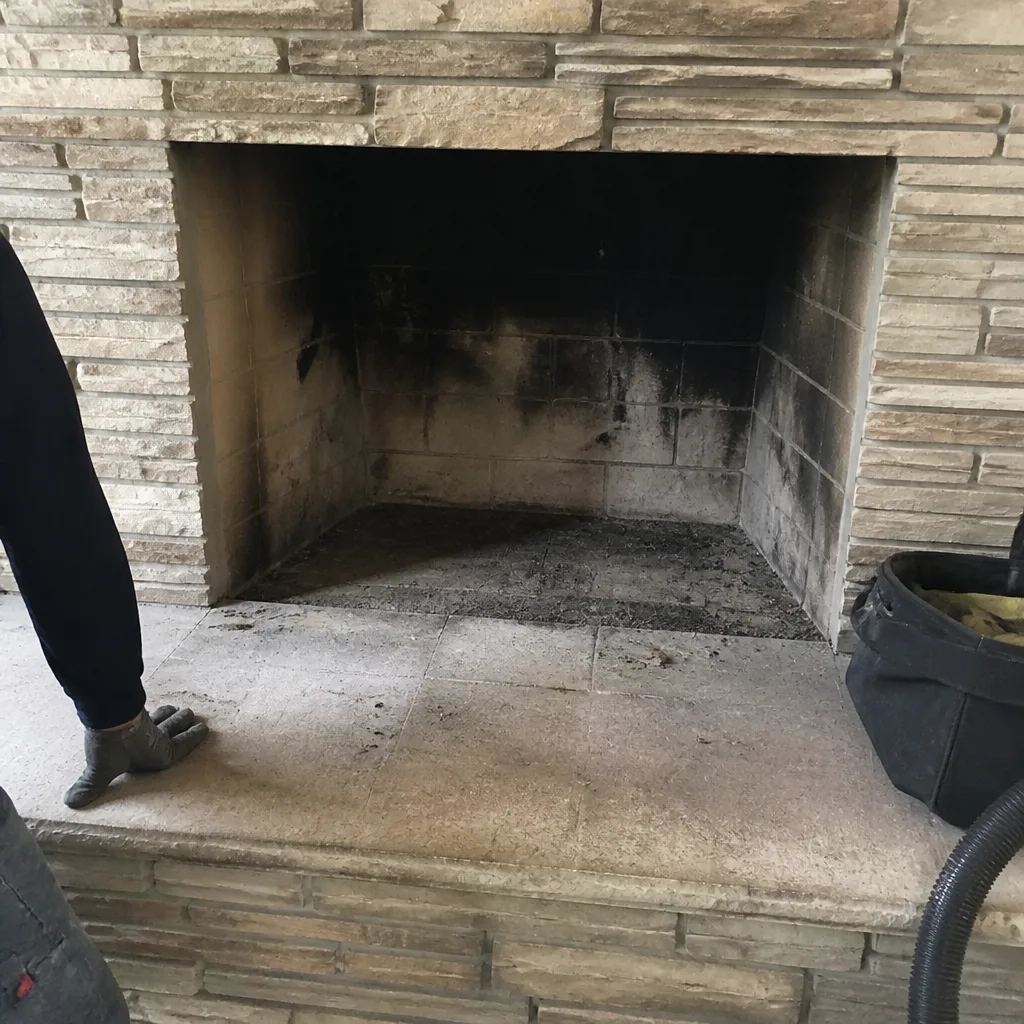 Before
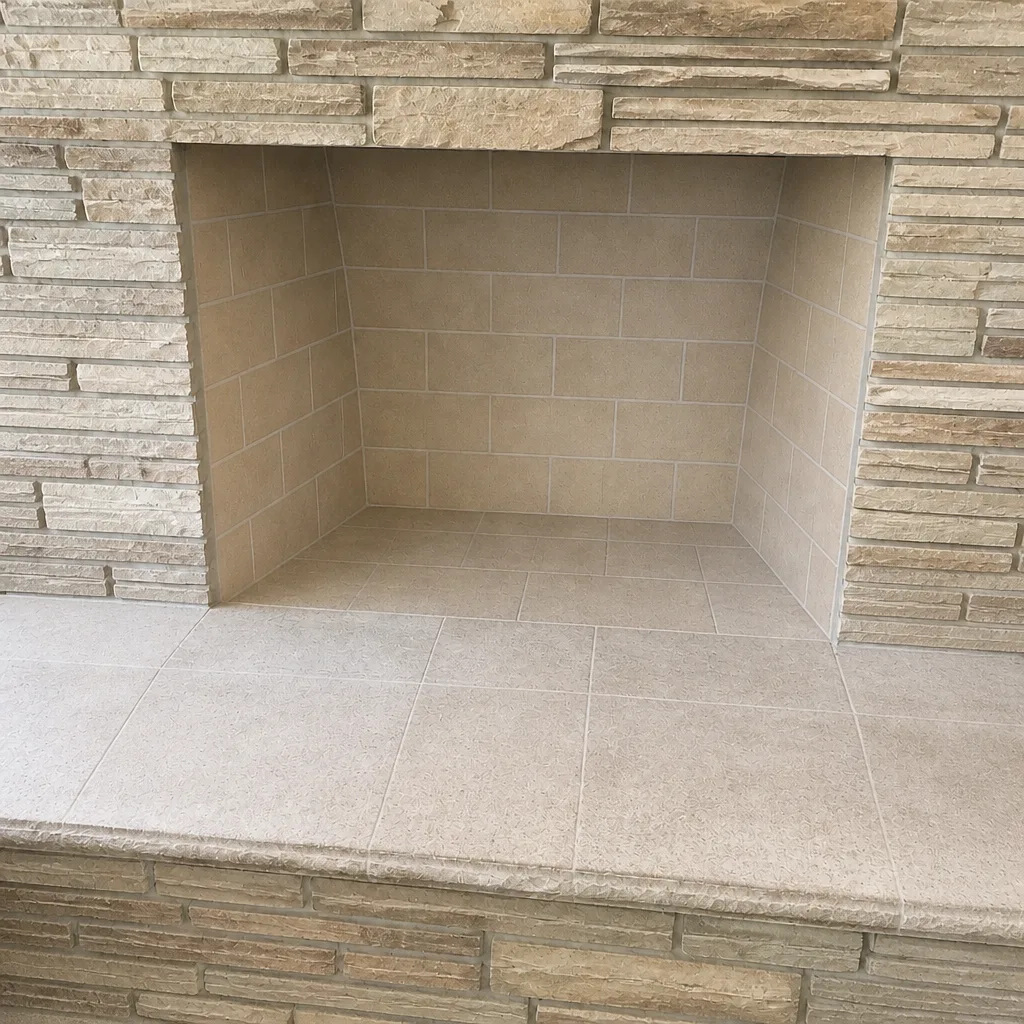 After
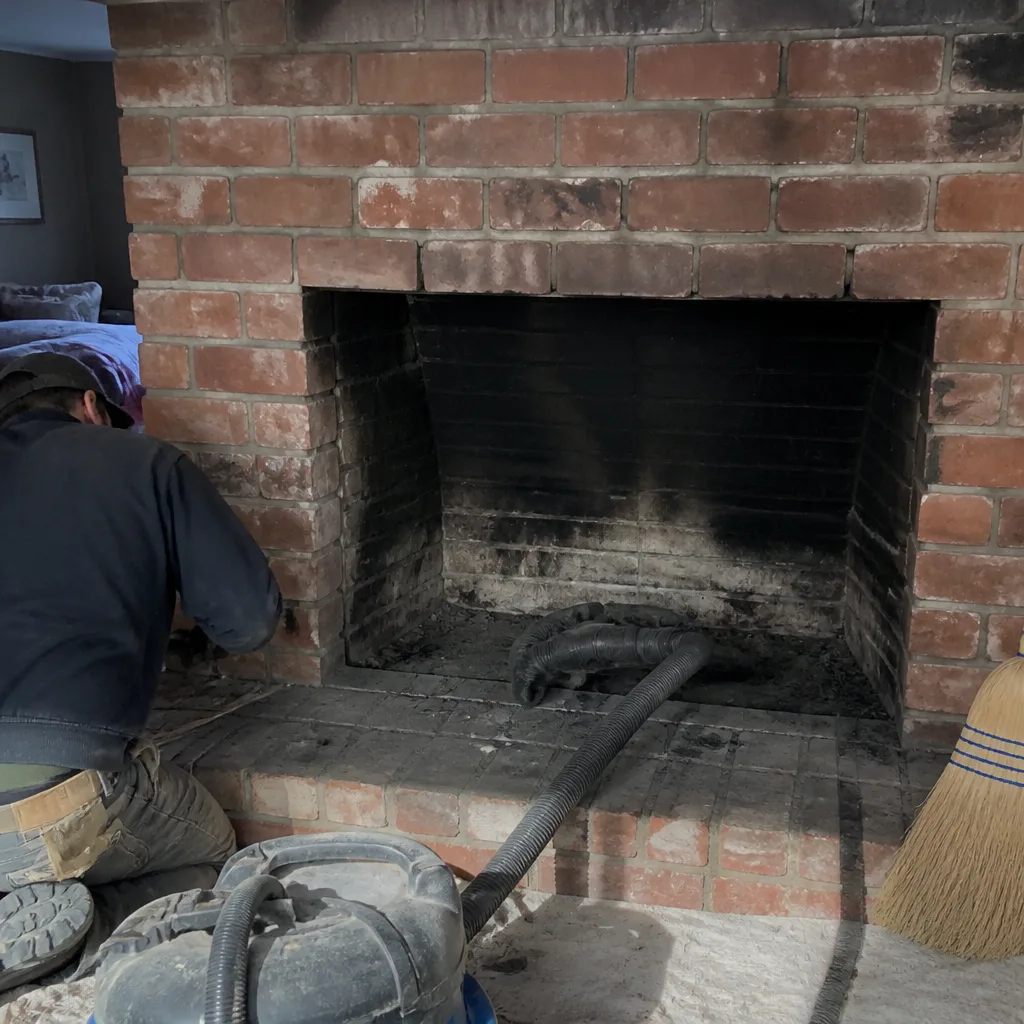 Before
 After
 Before
 After
When to Call a Professional
Some chimney work is a job for a trained technician, not a homeowner. If your flue hasn’t been cleaned in over a year, if the fireplace sat unused through a windy off-season, if you’ve noticed a strong smell, smoke backing into the room, or visible cracks around the crown or cap, it’s time to call. The same goes for any pre-sale inspection, any change in what you burn, and any time a report says “repair before next use.” High-sided structural work and liner repairs are genuinely dangerous to attempt without the right training, so leave those to a professional.
Lake Forest Chimney Sweep Pros offers free estimates in Lake Forest. Call (833) 468-5670. We answer 24/7. Fast dispatch from 7am to 7pm, Sunday through Friday.
Frequently Asked Questions
Chimney cleaning is priced per job by a written estimate, so the exact figure depends on the flue, the level of inspection needed, and any repair work. We give a free estimate up front so you know the price before anything is booked. Call (833) 468-5670 for an exact quote; estimates are free.
In most cases, yes. A chimney that sat through a full off-season of Santa Ana winds can hold debris and liner stress that a visual check won’t reveal, and a Level 2 with camera is what shows the real condition of the flue. It’s the honest choice after a long gap in use. Call (833) 468-5670 to book one.
About once a year for most homes. Because local burn seasons are short, some households can stretch the interval, but annual cleaning catches wind-driven debris and structural wear before they become bigger problems. If it’s been more than a year, book a sweep before the next fire.
Creosote and debris accumulate, draft can weaken, and small liner or cap issues go unnoticed until they get worse. The real risk is a chimney fire or a carbon monoxide problem that a routine inspection would have caught early. Skipping a year isn’t automatically a hazard, but skipping several quietly raises the risk. Call (833) 468-5670 for a free estimate on a cleaning and camera inspection.
A sweep-only visit brushes and vacuums the flue and firebox. A full-service cleaning adds a camera inspection, a cap and crown check, and a written report with photos, so any structural finding gets caught the same day. We handle the full chimney so a single call resolves the whole scope. Call (833) 468-5670 to schedule.
Often, yes. When a liner is sound structurally but glazed or worn on the surface, a HeatShield restoration can resurface it rather than replace the whole liner, which is a less invasive option many sweep companies don’t carry. A camera inspection tells you which path fits your flue. Call (833) 468-5670 for a free estimate.
The Bottom Line
Chimney cleaning in Lake Forest isn’t the same job it is in a cold-climate town. Short burn seasons, low humidity, and repeated Santa Ana wind events shape both what builds up inside a flue and when it needs attention. A thorough job means more than a brush: it means a camera inspection, a cap and crown check, and a written report that separates “monitor” from “repair before next use” so you know exactly where you stand. Book a sweep before the first cool evening, ask for a Level 2 after a long gap, and keep a cap on the flue. That’s the whole calendar here, and it’s simpler than most guides make it sound.
When you’re ready, call (833) 468-5670 for a free estimate. We answer 24/7. Fast dispatch from 7am to 7pm, Sunday through Friday. If you want to see how we approach the full scope, start with Lake Forest Chimney Sweep Pros.
Written by the team at Lake Forest Chimney Sweep Pros.