
Last updated November 25, 2026
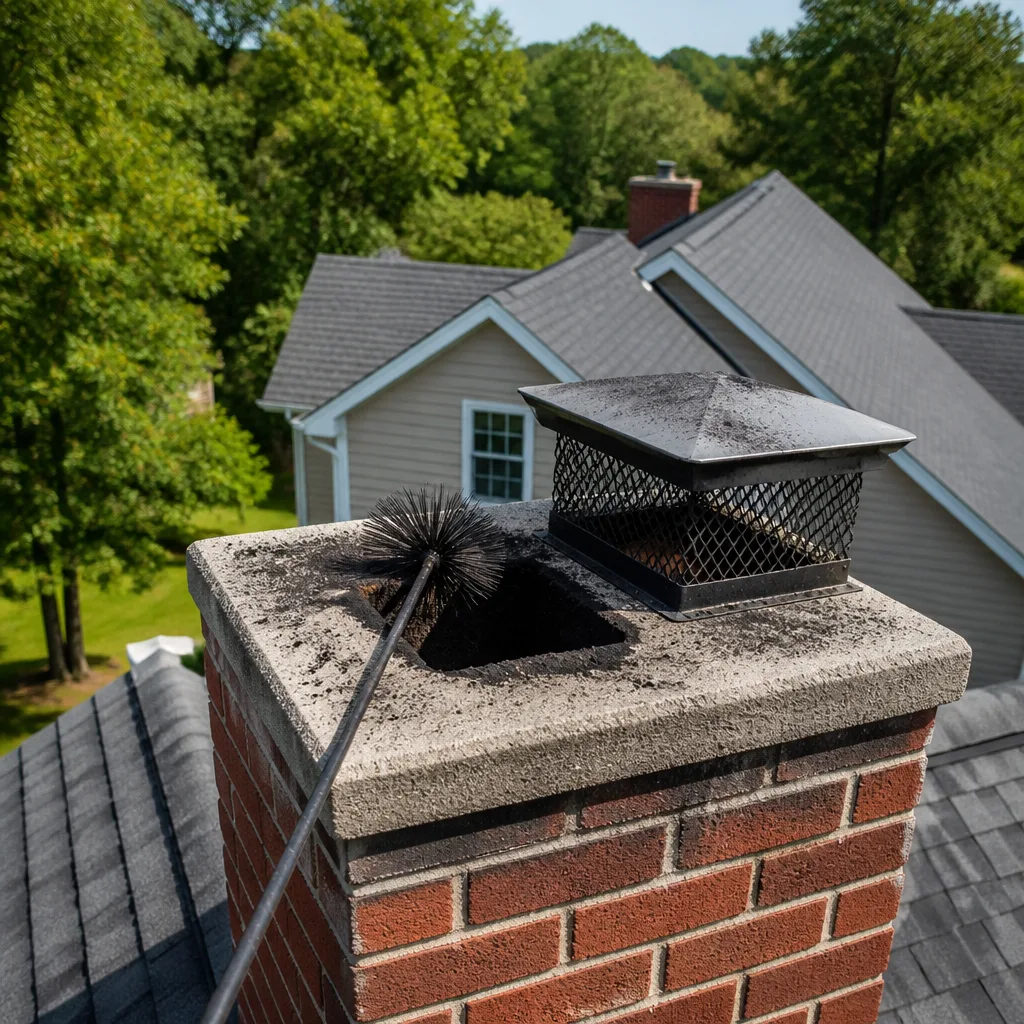 Sweep & inspection
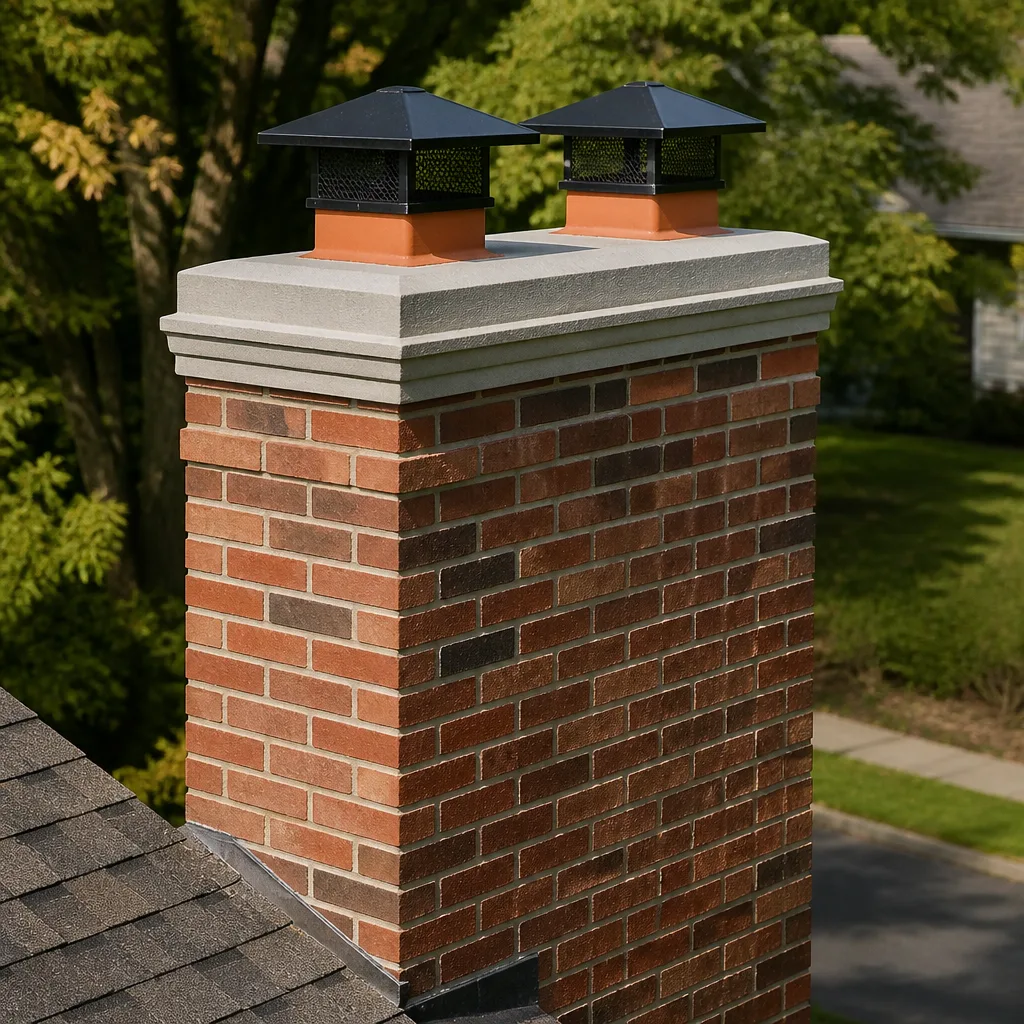 Caps & crowns
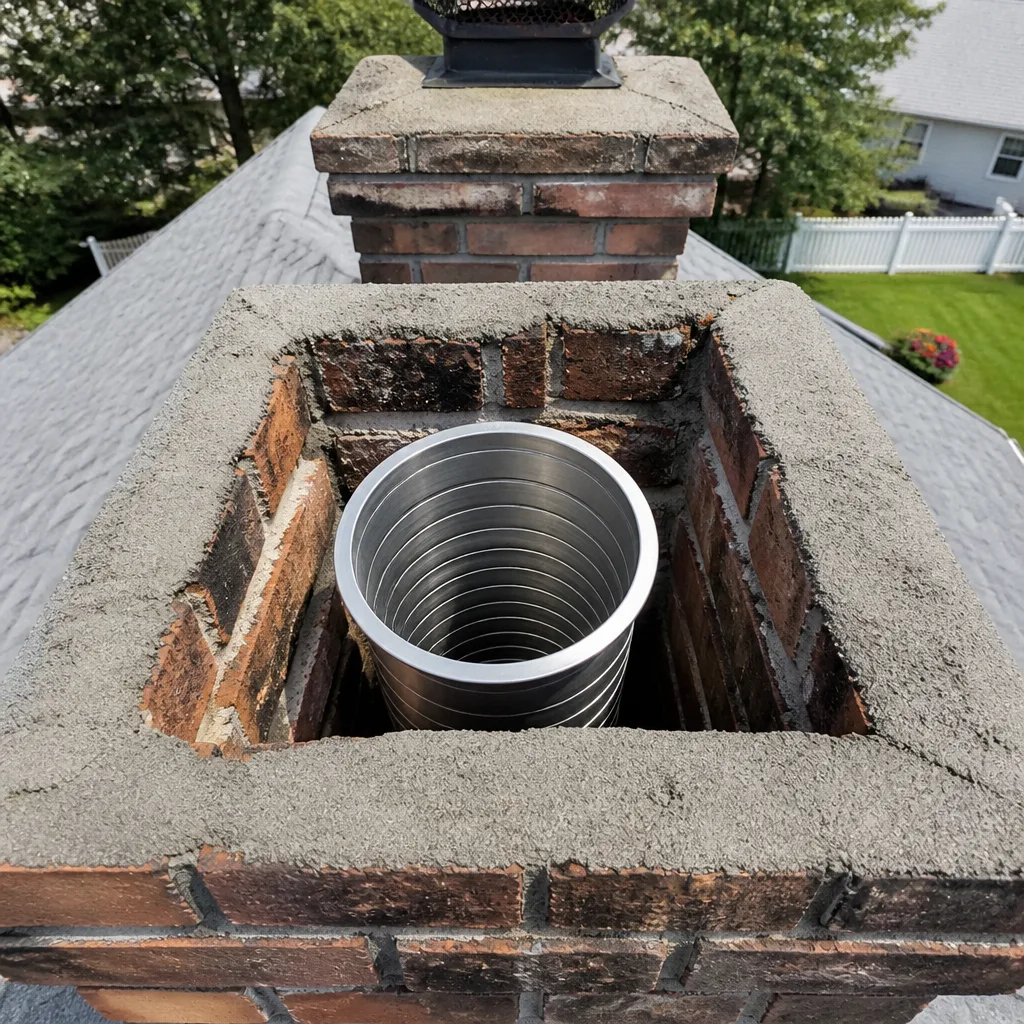 Flue relining
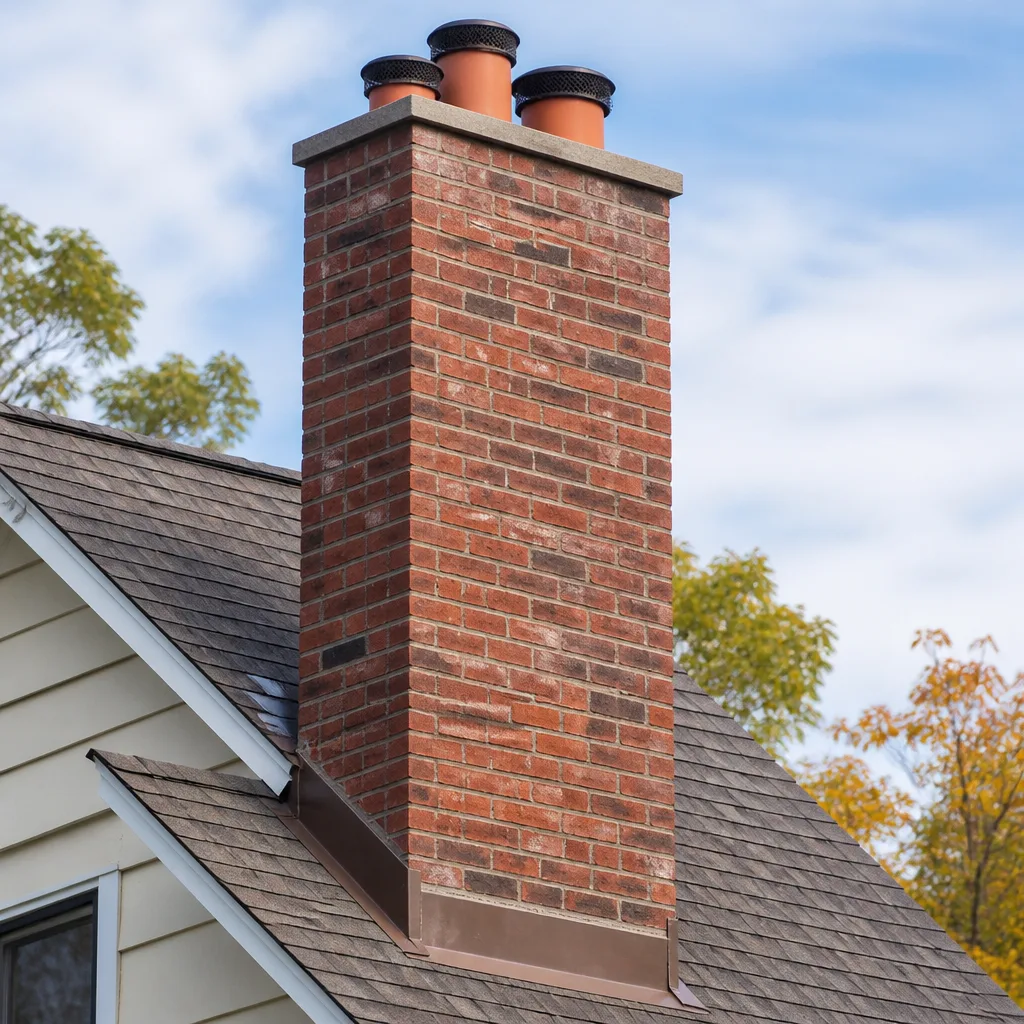 Masonry repair
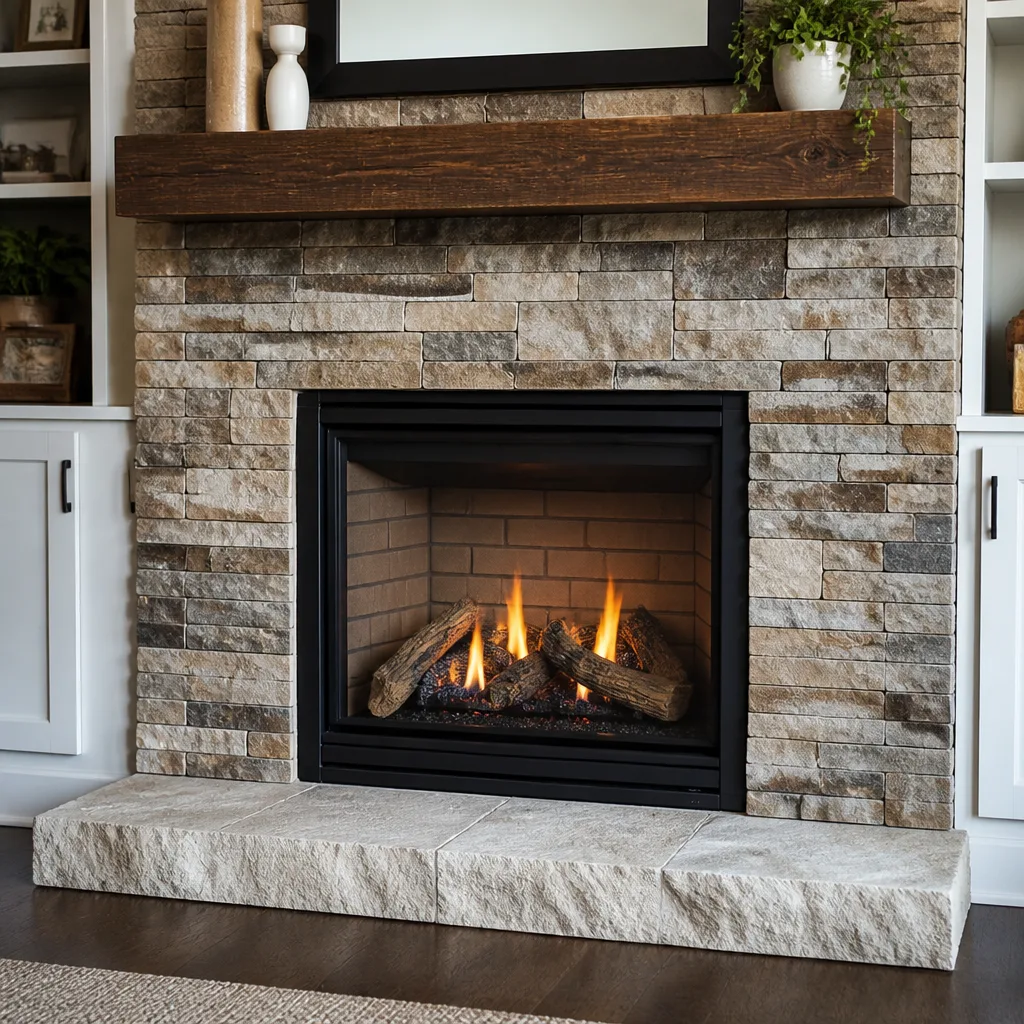 Gas fireplace service
Level 1 sweep and inspection to the NFPA 211 annual standard - flue, crown, cap, and flashing checked and photographed
Chimney sweep logs do not sweep chimneys. They loosen some creosote - which then falls where a brush and vacuum still have to collect it.
Seasonal Chimney Cleaning Care for Lake Forest: Year-Round Homeowner’s Guide
Every national chimney guide tells you the same thing: book your sweep in October. In Lake Forest, that advice hands you the longest wait of the year. October is when the entire region wakes up to fireplaces at once, and everyone wants the same two-week slot. A late-August sweep gives you the same clean flue and the same safety outcome with a fraction of the competition for appointment times. This guide rebuilds the chimney calendar around what Southern California weather actually does to masonry and flues, so you’re cleaning and inspecting on your own schedule instead of the calendar every other city follows.
Quick Answer
The best time to schedule chimney cleaning in Lake Forest is late August through September, before fire season and before the fall rush. A spring check after your last fire of the season catches summer problems early, and cap and spark arrestor inspection belongs in late spring or early summer, ahead of dry winds. Year-round damper management keeps pests and moisture out between burns.
Styles & brands we work with
- Sweep & inspection
- Caps & crowns
- Flue relining
- Masonry repair
- Gas fireplace service
Table of Contents
- Why August and September Beat October in Lake Forest
- What Happens to an Unswept Flue During a Dry Southern California Summer
- The Spring Post-Season Check: What to Look For After the Last Fire
- Fire Season vs. Fireplace Season: When to Inspect Your Cap and Spark Arrestor
- Year-Round Damper Management in Lake Forest’s Climate
- How Chimney Care Differs Across Lake Forest Neighborhoods
- Building Your Twelve-Month Chimney Schedule
- What Seasonal Chimney Care Costs in Lake Forest
Why August and September Beat October in Lake Forest
Late August and September are the calmest months on the chimney calendar here, and that’s exactly why they’re the smartest time to book. The summer heat has dried out creosote deposits that built up over the previous fire season, flues are empty and easy to access, and you’re not yet competing with the wave of homeowners who wait for the first cold snap.
The scheduling advantage is real. When October arrives in Lake Forest, appointment books across the region fill fast. Homeowners who call in late August get their pick of dates. Homeowners who call in mid-October often wait weeks for the first opening. Same sweep, same result, very different experience.
There’s a technical reason too. Creosote changes character as it ages. Fresh deposits from the winter are softer and easier to brush cleanly. Once summer heat bakes them, stage-three creosote hardens into a glazed, tar-like layer that resists standard sweeping. Booking your chimney sweep in late summer means you’re removing the softer, more tractable version of what winter left behind.
What a late-summer sweep accomplishes
- Clears the season’s creosote before summer heat glazes it onto the flue walls
- Removes bird nests, debris, and dry leaf matter before fire season
- Gives you time to schedule any repairs before the burning months start
- Lets you see the flue interior in dry, clear conditions with good light and no weather pressure
What October booking looks like by comparison
When the first cold night hits, the phone traffic picks up across every sweep company in the region. Homeowners who scheduled ahead get their clean flue well before anyone needs a fire. Homeowners who didn’t are left deciding whether to burn an unswept chimney or wait out the backlog. Neither option is ideal, and both are avoidable with an August call.
What Happens to an Unswept Flue During a Dry Southern California Summer
An unswept flue is an open column into your home, and summer is when it gets used by everything except fire. In Lake Forest, the three things that most reliably find their way into a flue between May and September are nesting pests, debris from dry winds, and the slow damage that heat does to mortar.
Pest nesting
Birds, squirrels, and wasps all treat an unswept chimney as prime real estate. A flue that hasn’t been brushed since spring becomes a nursery. Nests block airflow, add flammable material, and turn a simple sweep into a more involved clearing job. The chimney cap is your first line of defense here, and a properly fitted cap with a spark arrestor mesh keeps most of this from happening at all.
Debris from dry winds
When Santa Ana winds prepare, they carry dry leaf litter, twigs, and dust across the region. Some of that material finds its way into open flues. None of it belongs there. A late-summer sweep clears out the accumulation before you ever light a fire, and an inspection catches any obstruction that a brush alone wouldn’t dislodge.
Mortar drying and cracking
Much of Lake Forest’s housing was built across several decades, and the mortar joints in older chimneys are the parts most vulnerable to heat. Dry summer air pulls moisture out of masonry, and the extreme heat cycles between a hot fire and a cool summer night accelerate that drying. Hairline cracks that form in summer let water and carbon monoxide move where they shouldn’t. A chimney inspection during the dry season catches these cracks before the wet season exposes them. This is a mechanical concern about your masonry, not a weather event about rain and freezing.
Our technicians have up to 13 years of experience reading masonry, and the pattern is consistent: the chimneys that need the most structural work are the ones that went two or three seasons without a summer check.
The Spring Post-Season Check: What to Look For After the Last Fire
Catching problems in spring costs far less than catching them in November after months of sitting. The last fire of the year is the moment to close the loop on the burning season and audit what the winter left behind. This isn’t a full sweep – it’s a diagnostic walkthrough you can run yourself, plus a professional inspection if anything looks off.
Step-by-step spring check
- Look up the flue. Shine a light up from the firebox. You’re looking for visible soot buildup, cracks in the flue tiles, or anything blocking the path.
- Open the damper and check operation. It should move smoothly from open to closed. A sticky damper usually means creosote buildup or a worn hinge, both worth professional attention.
- Inspect the firebox for cracks. Look at the brick and the mortar between them. Any cracking wider than a hairline deserves a professional look.
- Check the cap from the ground. Binoculars are enough. A cap that’s missing, tilted, or damaged lets everything in this guide happen faster.
- Test the smoke and carbon monoxide detectors. Mechanical detectors fail silently. Spring is a natural time to test them.
- Close the damper when you’re done. This is the most important step, and we’ll come back to it.
If your sweep is due, this is also a reasonable moment to book the chimney inspection so that whatever the winter did gets evaluated while the details are still fresh. A camera inspection records the flue interior in detail you can look at yourself, so you know exactly what we found before anything is recommended.
Document the results. A photo of the firebox and a note on the cap condition takes a minute and gives you a baseline for next spring. If a crack appears two seasons from now, you’ll know when it started. Documentation is also useful for a pre-sale inspection if you’re planning to move within a year.
Fire Season vs. Fireplace Season: When to Inspect Your Cap and Spark Arrestor
Fire season in Southern California runs roughly October through February, at most, and it’s a very different thing from fireplace season. Fire season is when dry conditions make every ember a threat to the outside of your house and to the brush around it. Fireplace season is when you actually use the fireplace inside. The two overlap only partially, and that overlap is when your chimney cap matters most.
A cap with a spark arrestor screens two things: it keeps birds, squirrels, and debris out of the flue, and it holds back live embers that would otherwise draft up and land on a dry roof or nearby brush. Inspecting the cap and arrestor belongs in late spring or early summer, well before the winds pick up and definitely before your first fire of the fall.
What a cap and spark arrestor inspection covers
- Whether the cap is present, correctly seated, and secured against wind
- Whether the spark arrestor mesh is intact and free of clogging
- Whether the crown below the cap has cracks or water staining
- Whether the flue tiles visible above the cap show damage
We install and repair caps using professional-grade materials from brands that hold up in this climate, and we treat the crown as part of the same job. A crown rebuild done with a product like Copperfield’s crown material seals the top of your chimney against the water intrusion that works its way into a cracked crown over months. Protecting the crown is how you protect every repair underneath it.
Year-Round Damper Management in Lake Forest’s Climate
The damper is the cheapest piece of chimney equipment you own and the most habit-driven. Leaving it open in Lake Forest’s climate costs you more than you’d expect. In summer, an open damper funnels hot attic air down into the firebox and pushes your cooling bill up. In spring, it’s an open invitation for pests to build a nest. In fall, before fire season ends, it’s the chimney’s own opening in the wall for dry air and debris to push through.
Here’s how we think about damper management across the year:
- After every fire: close it once the embers are cold. This is the habit that prevents most problems.
- During summer: keep it closed and confirm it’s actually seated. A damper that looks closed but sits a quarter-inch off lets plenty through.
- Before your first fall fire: open it, confirm the pull is smooth, and light a test fire before you commit to an evening of burning.
- During the burning season: it’s open while you burn and closed when you don’t. Treat it like a light switch.
When a damper sticks, it’s worth having it looked at. A sticky damper is often the first sign of creosote buildup on the damper frame, or a worn hinge that will need replacement. It’s also the cheapest warning you’ll get before a bigger problem. Repairing a damper is part of the fireplace repair work we do often in Lake Forest, and it’s the kind of small fix that prevents a much larger problem down the line.
Gas fireplace owners have a separate but related routine. A gas fireplace doesn’t produce creosote, but the flue still needs inspection because the venting system and pilot assembly require it. Treat the annual inspection the same as you would for wood.
How Chimney Care Differs Across Lake Forest Neighborhoods
Lake Forest’s housing stock varies enough that no single chimney schedule fits every neighborhood. Homes in the older tracts closer to the center of town tend to have masonry chimneys with flue tiles and original damper hardware. Homes on the edges of town are more likely to have prefabricated fireplace systems with metal flues. The right seasonal care looks slightly different for each.
Masonry chimneys (older tracts)
Masonry chimneys care about two things: the flue tile lining and the mortar joints. Tiles crack as they age, and cracks let heat and gases into the surrounding structure. Mortar joints wear with every fire cycle. If your flue tiles show cracks, HeatShield restoration is a cost-effective alternative to full relining and most sweep companies don’t carry it. We do, and applying it properly requires a certified application. Relining with a DuraFlex system is the right answer when the tiles are too far gone for restoration, and it’s a service we handle end to end.
Prefabricated fireplaces (newer construction)
Prefabricated units have metal flues with a limited service life. They need inspection at manufacturer-specified intervals, and the flue metal can’t be patched the way tile can. When a prefab flue reaches the end of its life, replacement is the only safe option. We work with Olympia Chimney and Famco components, which are the kinds of parts that match a wide range of prefab systems without a retrofit.
Gas fireplaces throughout Lake Forest
Gas units need annual inspection but not the same frequency of sweeping. The venting and the gas-side components are what get looked at. Any chimney repair on a gas unit is worth doing with a specialist who knows both the gas and the flue side of the system.
If you’re unsure what kind of chimney you have, the inspection answers that on the first visit. The camera inspection report tells you the type, the condition, and the age-typical problems for your specific unit.
Building Your Twelve-Month Chimney Schedule
Here’s the calendar we recommend to Lake Forest homeowners. Adjust it slightly if your household burns frequently or if the previous inspection flagged anything specific.
Late August to September
- Book your annual sweep. This is the primary cleaning of the year, ahead of the fall rush. Clear creosote before the fire season begins.
- Schedule a chimney inspection at the same visit.The review of the full flue, firebox, and crown is best done on a clean chimney.
- Make any repairs before the burning season. Liner restoration, cap replacement, damper repair – all of this should be finished before your first fire.
October through February (fire season / burning season)
- Burn correctly. Dry, seasoned wood produces less creosote than green wood. Keep the fire hot and don’t smolder.
- Close the damper after every fire. Once the embers are cold, close it and check the seal.
- Watch for smoke in the room. If smoke backs into the room on a regular fire, stop using the fireplace and call for an inspection before your next fire.
March through May (spring post-season)
- Run the post-season check. Light the flue, check the firebox, inspect the cap from the ground, test the detectors.
- Book a camera inspection if anything looks off, or if it’s been more than a year since the last one.
- Schedule cap and crown work. Late spring and early summer are calm months on the books, like late August is.
May through July (summer)
- Keep the damper closed. Confirm it’s actually seated.
- Check the cap after any wind event. A loose cap is the start of most summer pest problems.
Year-round, keep an eye on the outside of the chimney. Any new lean, any visible staining, any cracked crown is worth a call. The chimney services we offer cover the full system from firebox to crown, so a single visit handles whatever the check turns up.
What Seasonal Chimney Care Costs in Lake Forest
Costs here depend on what’s found during the inspection. Here’s what our Lake Forest customers typically see. Estimates are free, and the written estimate is the final price – the range below is what we see in the local market, not a quote.
- Standard chimney sweep: $180 to $320 per flue, depending on creosote volume and access
- Camera inspection: $150 to $300, often bundled into a sweep visit at reduced cost
- HeatShield liner restoration: $1,200 to $2,800, depending on flue length and repair scope, and significantly less than full relining
- DuraFlex flexible liner installation: $2,500 to $5,500 depending on flue height, liner diameter, and termination work
- Chimney cap replacement: $250 to $650, depending on the cap style and flue configuration
- Crown rebuild: $600 to $1,800, depending on crown size and whether the chase needs structural repair first
- Damper repair: $150 to $450, depending on whether the damper needs repair or replacement
What separates a fair estimate from an inflated one isn’t the number itself – it’s whether the recommendation is backed by something you can see. We record every inspection on camera and send you the footage with the report. Nothing is recommended that you can’t verify on the photo report. When work can safely wait, we say so. That’s the entire basis for the estimate.
We work with professional-grade brands across the full scope – HeatShield for liner restoration, DuraFlex for flexible liner installation, Olympia Chimney and Famco for prefab and venting components, Gelco and Copperfield for crown and cap materials. Those are the kinds of products a chimney specialist carries, not a handyman adding chimney work to a general list. Working with a curated roster of brands means the right part for your chimney is available, not a one-size-fits-all substitute.
Common Mistakes to Avoid
- Scheduling your sweep in October. That’s when everyone in Lake Forest calls, and you get the worst selection of appointment times. Book in late August and treat the October slot as backup.
- Leaving the damper open all summer. It’s the single most common cause of summer pest nesting and lost cooling efficiency in Lake Forest homes. Close it and confirm the seal.
- Ignoring the cap. A missing or damaged cap is the fastest route to a bird nest, a water intrusion problem, and a more expensive sweep. The cap gets inspected every year or it doesn’t work.
- Skipping the spring check. The post-season walkthrough is free and it catches problems while the details are fresh. The alternative is discovering them in November with a cold house.
- Letting a sweep company upsell a liner without showing you the camera footage. A liner is sometimes necessary and sometimes not. The difference should be visible on the camera report before you agree to anything.
- Burning green wood. It produces more creosote per fire and it makes next year’s sweep harder. Dry, seasoned wood is the cheapest chimney protection you can buy.
- Ignoring a smoke-back. If smoke comes into the room on a regular fire, that’s the chimney telling you something is wrong. Stop using it and get it inspected.
- Assuming gas fireplaces don’t need inspection. They do. The venting and gas components are inspected at the same annual interval.
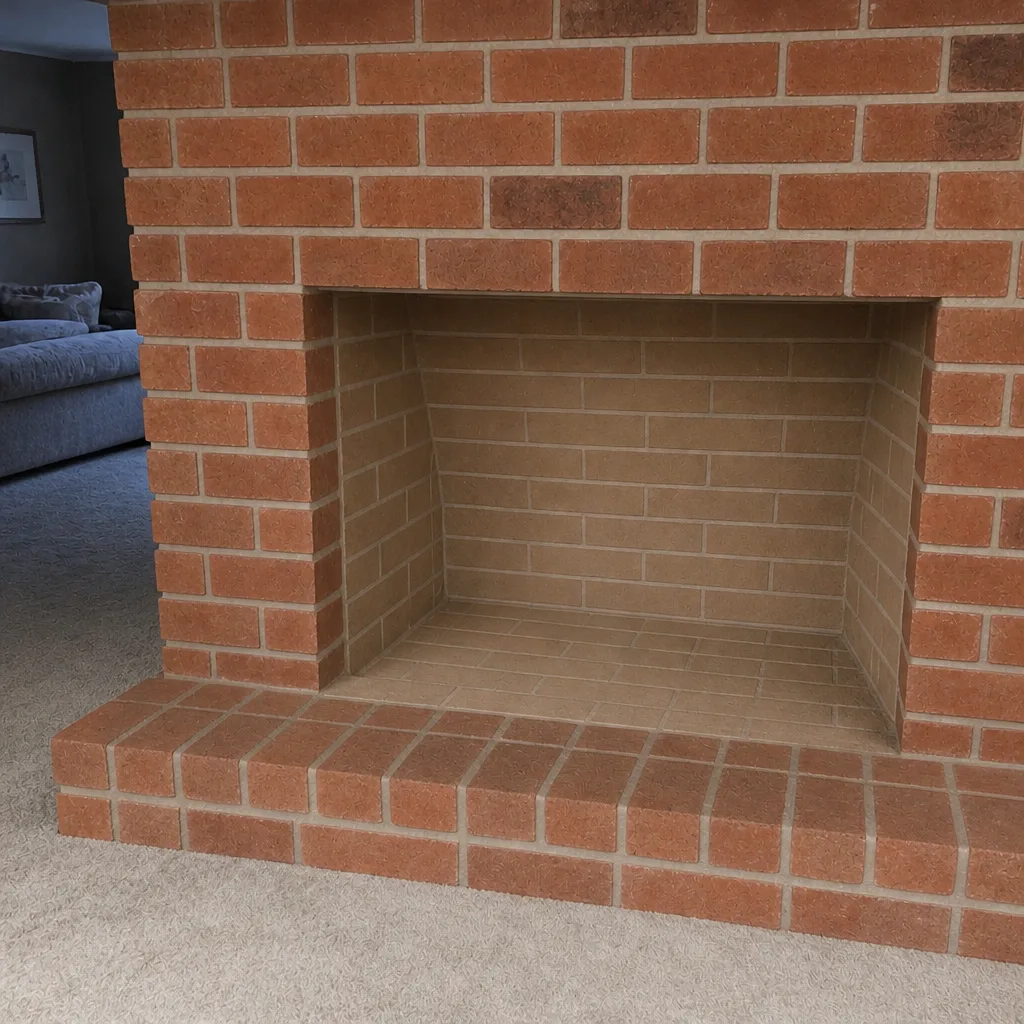
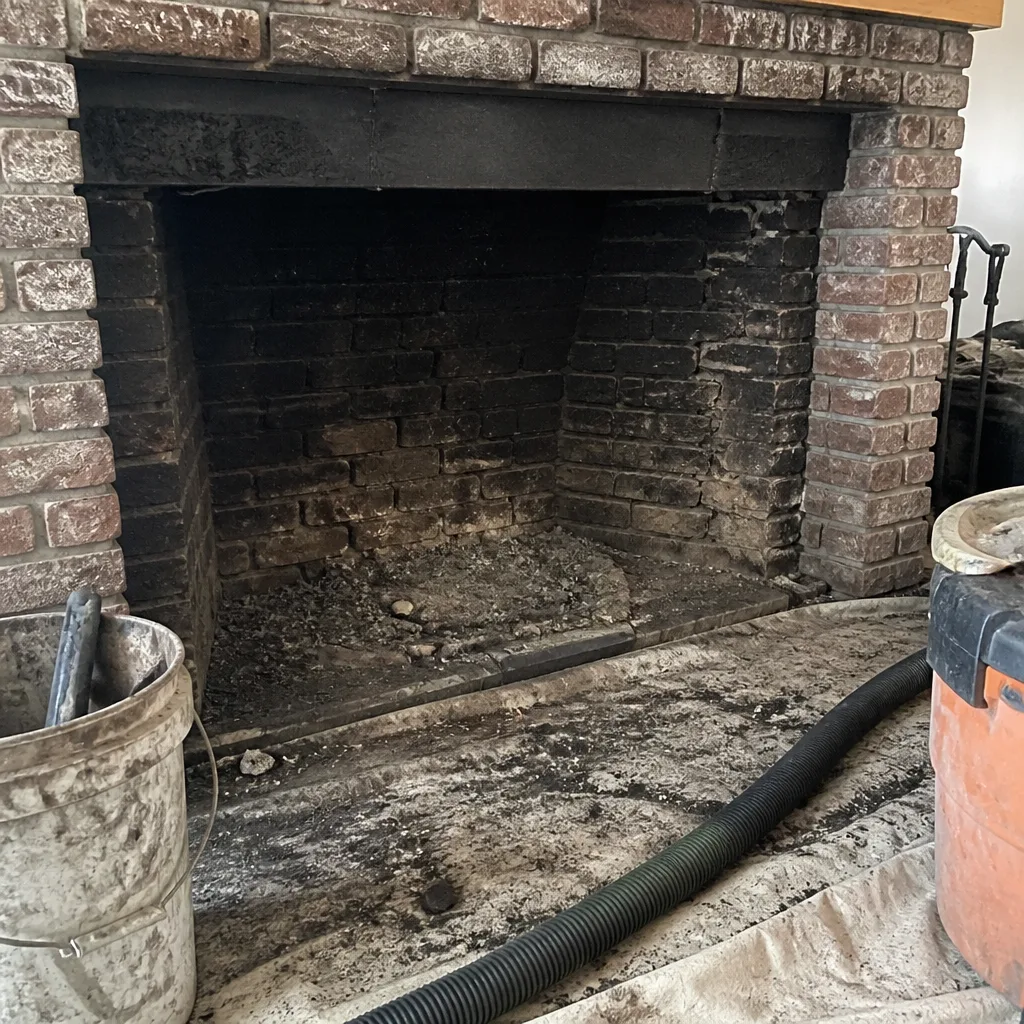
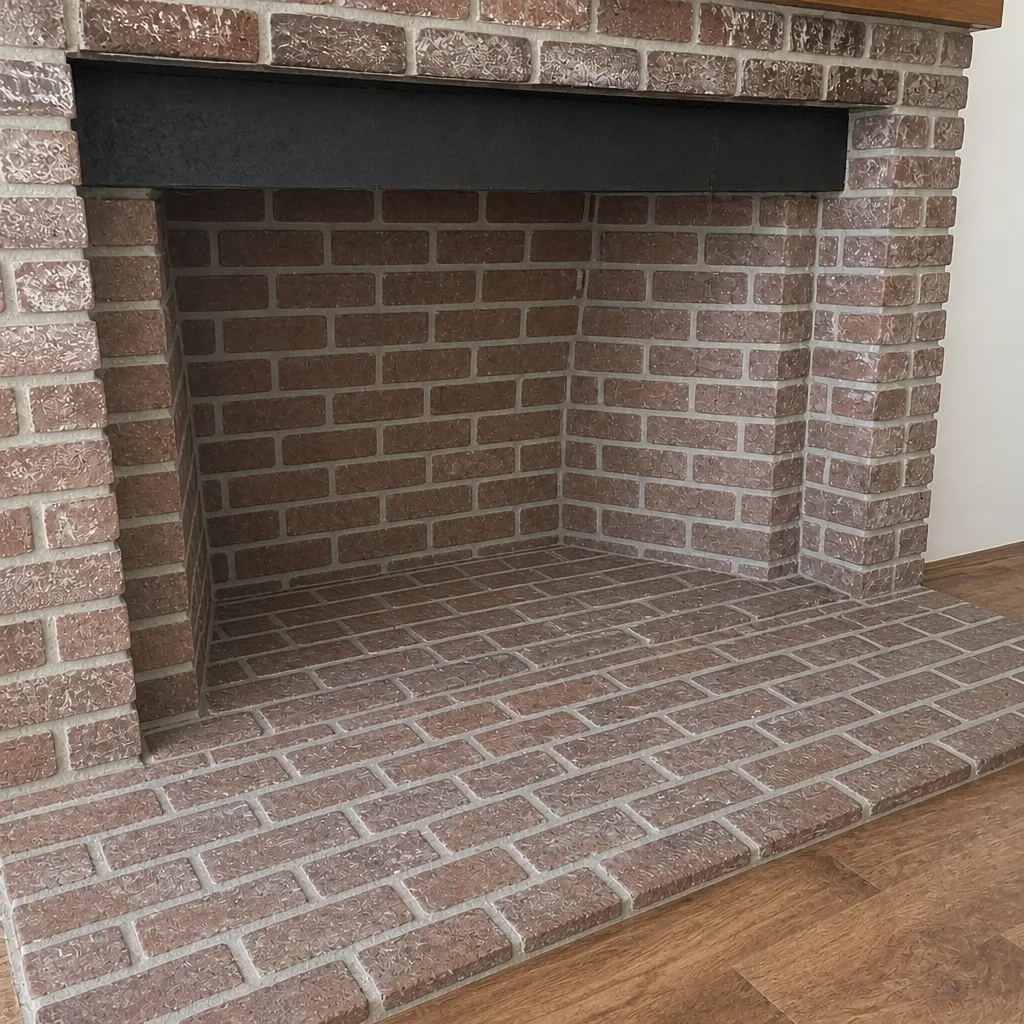
See the difference
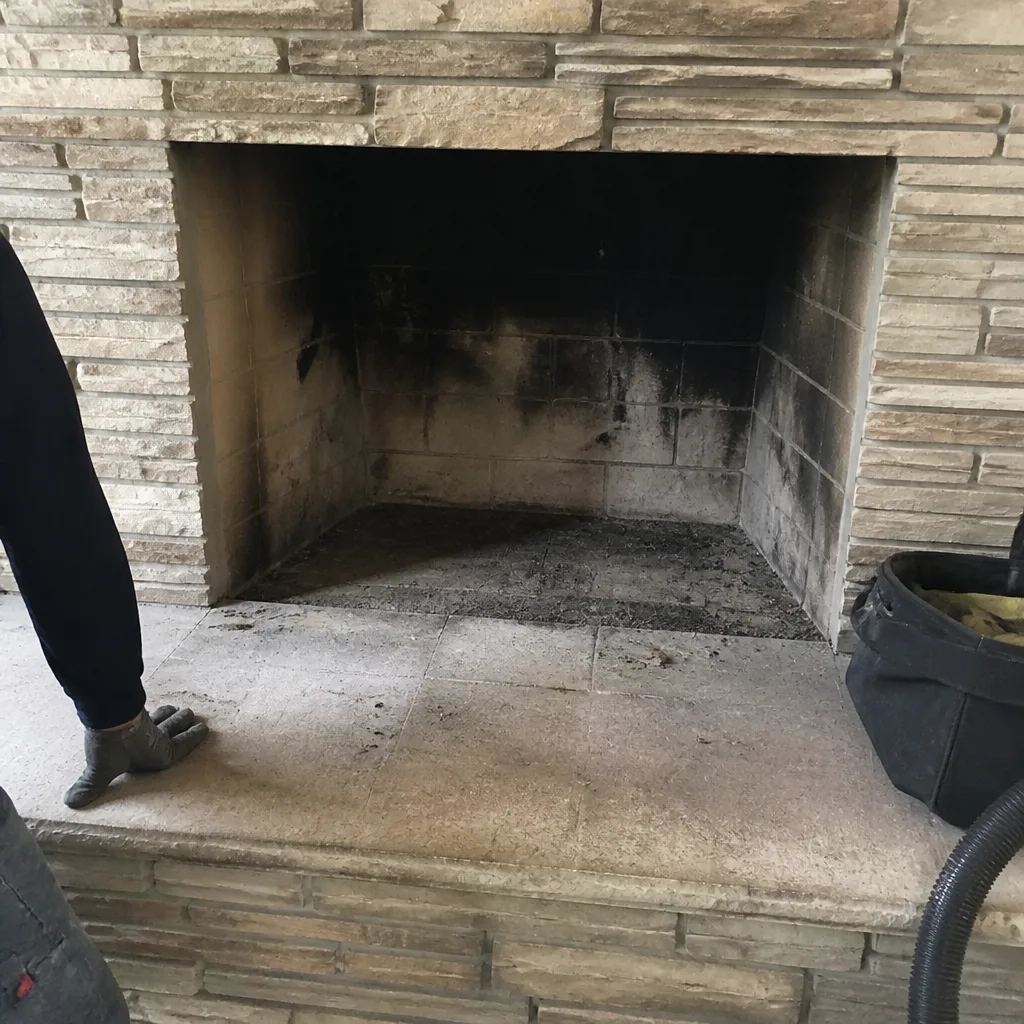 Before
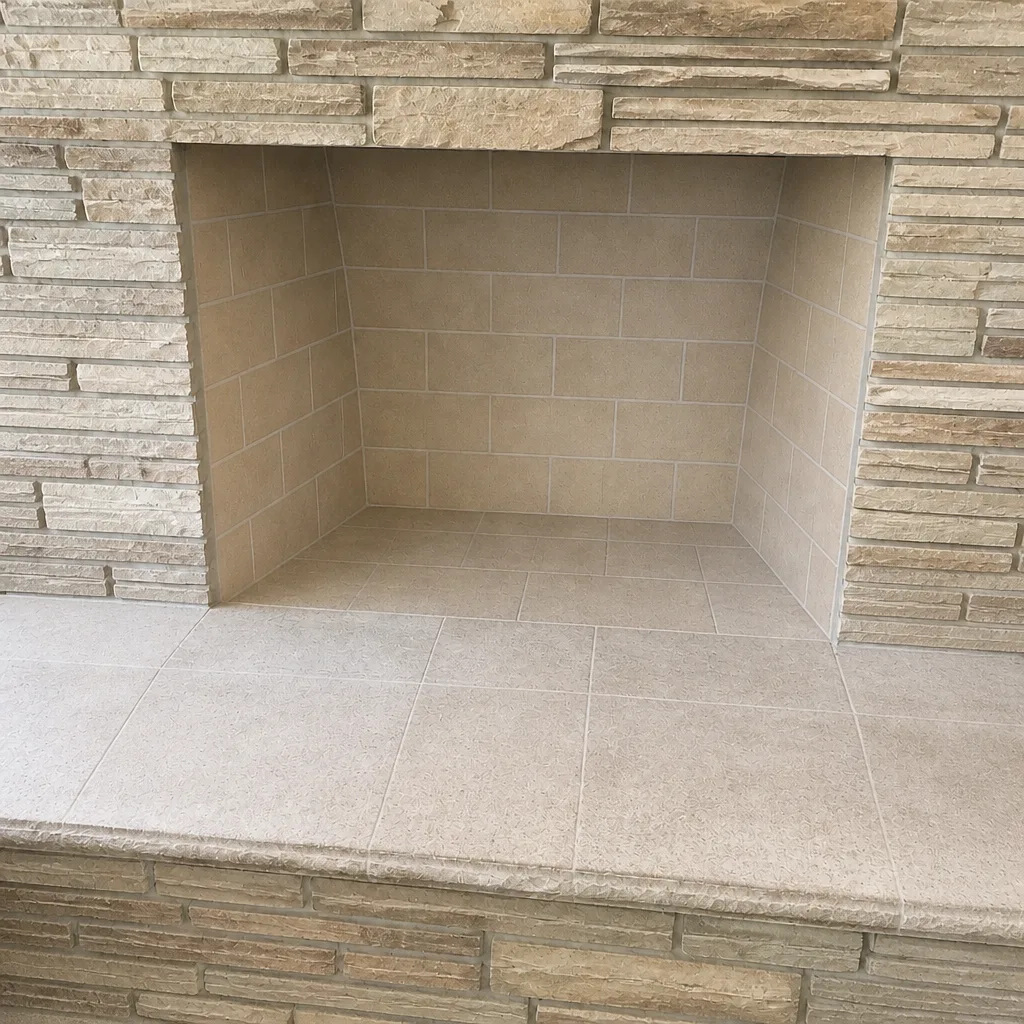 After
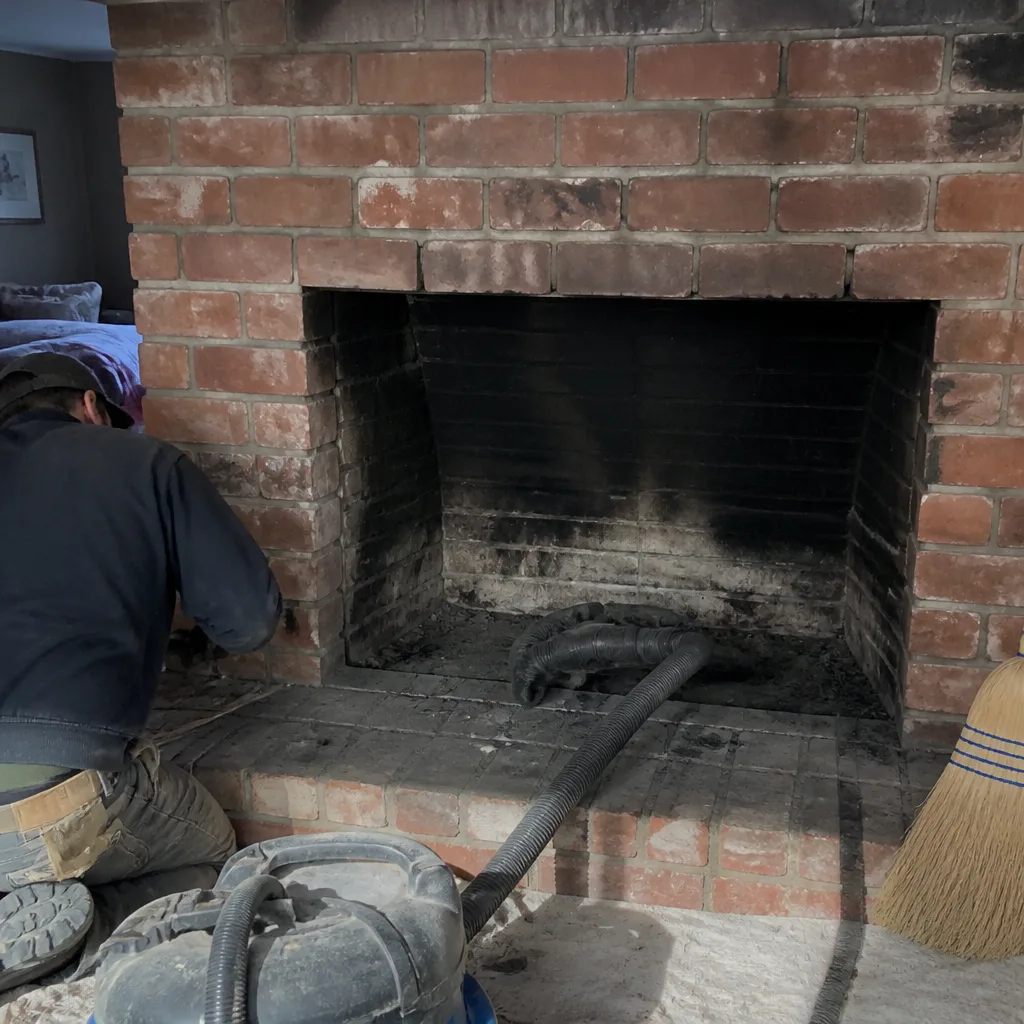 Before
 After
 Before
 After
When to Call a Professional
Call a professional if you haven’t had a sweep in over a year, if you’ve burned more than a cord of wood this season, if you notice smoke backing into the room, if you see visible cracks in the firebox or flue tiles, or if your cap is missing or damaged. Seasonal checks you can run yourself, but structural repair and liner work aren’t a do-it-yourself project – the flue is the part of the house that carries fire and carbon monoxide, and getting the repair wrong there is the kind of mistake you can’t unwind later. If a previous inspection flagged something and you haven’t acted on it, act now. Lake Forest Chimney Sweep Pros offers free estimates in Lake Forest – call (833) 468-5670. We answer 24/7. Fast dispatch from 7am to 7pm, Sunday through Friday.
Frequently Asked Questions
Once a year for most wood-burning households, which is the industry standard and what we recommend to Lake Forest homeowners. Homes that burn heavily – more than a cord of wood a season – often need a mid-season check as well. Gas fireplaces need an annual inspection but not the same frequency of sweeping. Call (833) 468-5670 for an exact quote – estimates are free.
Late August through September. You beat the fall rush, clear creosote before the fire season, and give yourself time to schedule any repairs before your first fire. October is the busiest month for chimney companies in Southern California, and it’s the one month you want to avoid booking in. Call (833) 468-5670 to grab an August slot while they’re still open – estimates are free.
Sometimes yes, sometimes no, and the answer depends entirely on what the camera inspection finds. Cracks in flue tiles, gaps at the joints, and heavy stage-three creosote are the situations that call for a liner. Hairline surface wear is often fine to monitor and doesn’t require replacement. HeatShield restoration is a middle path that fixes some damaged tiles without a full reline. We record the inspection and send you the footage, so you’ll see exactly what justifies the recommendation before you agree to anything. Call (833) 468-5670 to book the inspection – estimates are free.
Creosote accumulates, and once it hardens into glazed stage-three deposits it’s much harder to remove. In Lake Forest’s dry summers, an unswept flue also becomes a prime spot for nesting pests and wind-blown debris. The real safety concern is chimney fire and carbon monoxide, both of which are the outcome of obstructed or creosote-laden flues – not the outcome of a clean one. Skipping one season won’t usually cause a house fire, but the risk does build each year you skip. Call (833) 468-5670 – estimates are free, and it’s cheaper than the problem gets.
No. Leaving it open invites pests and pulls hot attic air down into the firebox. Close it after your last fire of the season and check that it’s sealed. If the damper sticks when you try to open it in the fall, have it looked at before the burning season starts. Call (833) 468-5670 – estimates are free.
Yes, and it’s worth doing before the dry winds pick up. A cap with a spark arrestor keeps embers from landing on the roof and blocks birds from nesting in the flue. A missing or damaged cap is one of the easiest problems to prevent and one of the more expensive to solve after the fact. Call (833) 468-5670 to schedule a cap inspection – estimates are free.
The Bottom Line
Lake Forest’s seasons don’t line up with the national chimney calendar, and neither should your maintenance schedule. Late August is the smartest time to book your annual sweep, spring is when the post-season check catches structural problems while they’re still small, and late spring is when the cap and crown work should get done. Keep the damper closed when you’re not burning, keep the cap on year-round, and don’t agree to a liner or repair without seeing the camera footage that justifies it. Our technicians have up to 13 years of experience with exactly these problems on Lake Forest masonry. Build the calendar once, stick to it, and the chimney will outlast the house.
Call Lake Forest Chimney Sweep Pros at (833) 468-5670 for a free estimate. We answer 24/7. Fast dispatch from 7am to 7pm, Sunday through Friday. We handle the full chimney – firebox to crown – so one call resolves the sweep, the inspection, the repair, and the cap work without a second contractor.
Written by the team at Lake Forest Chimney Sweep Pros.