
Last updated November 25, 2026
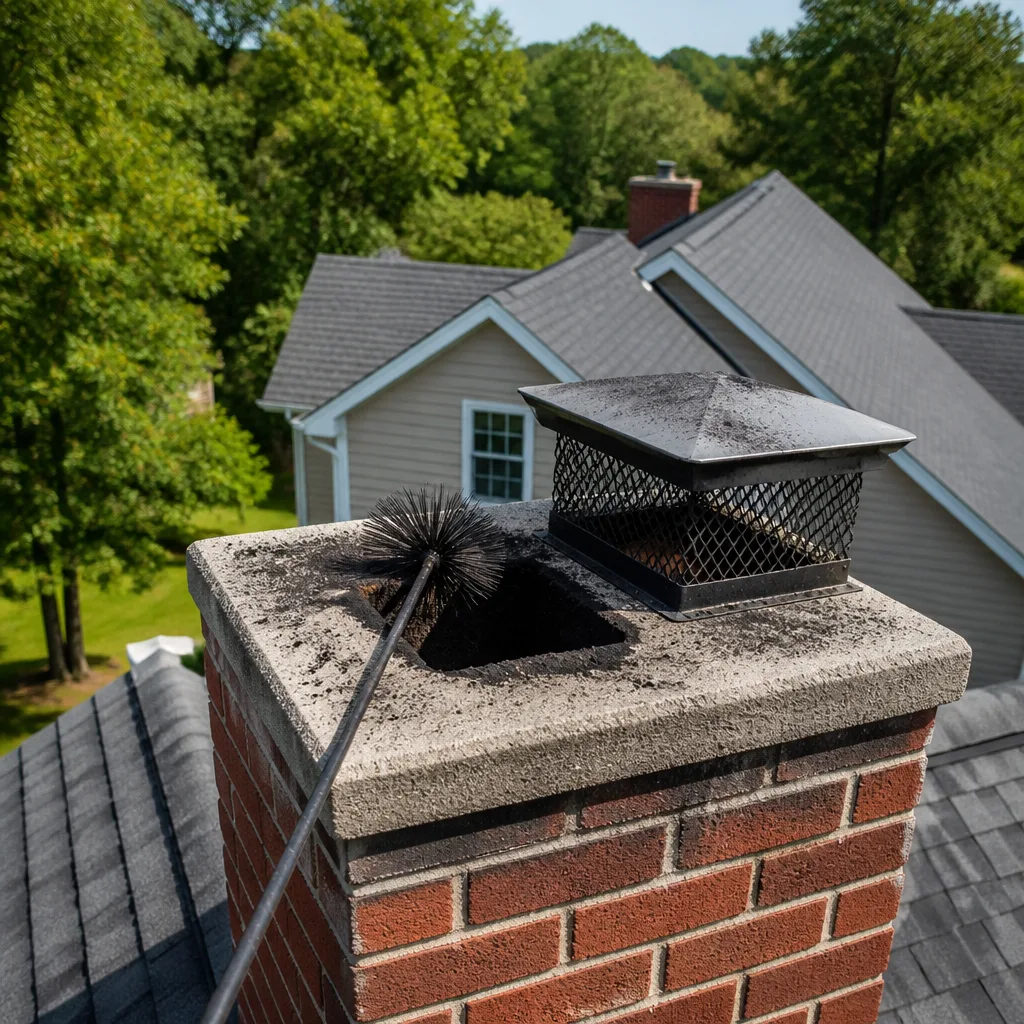 Sweep & inspection
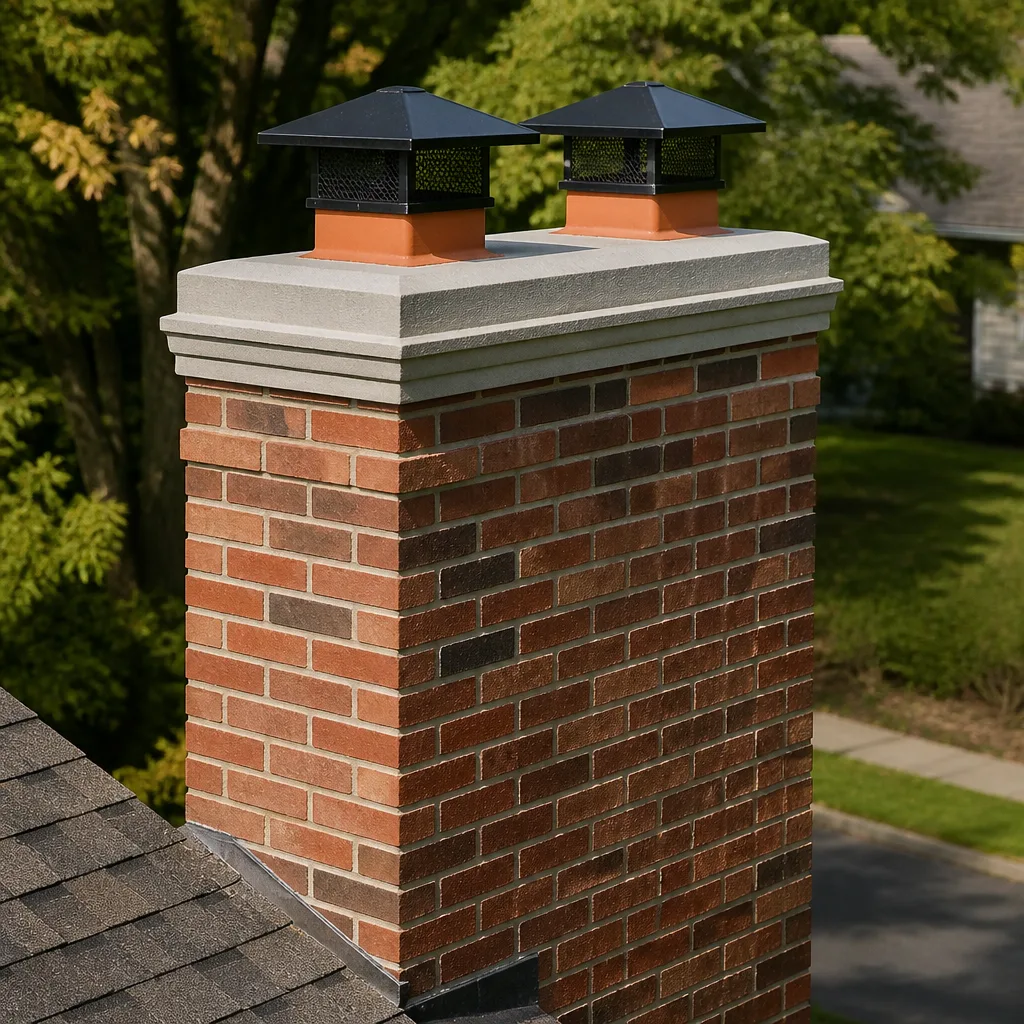 Caps & crowns
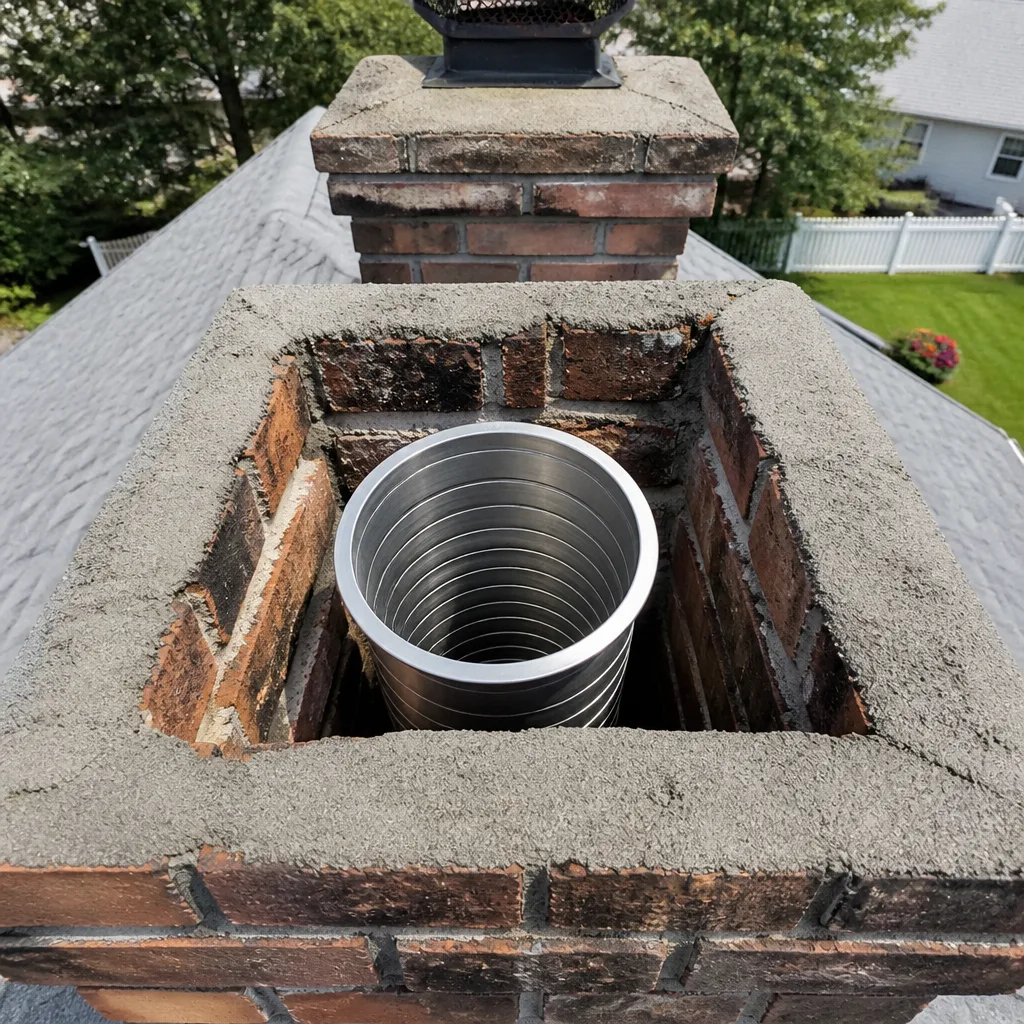 Flue relining
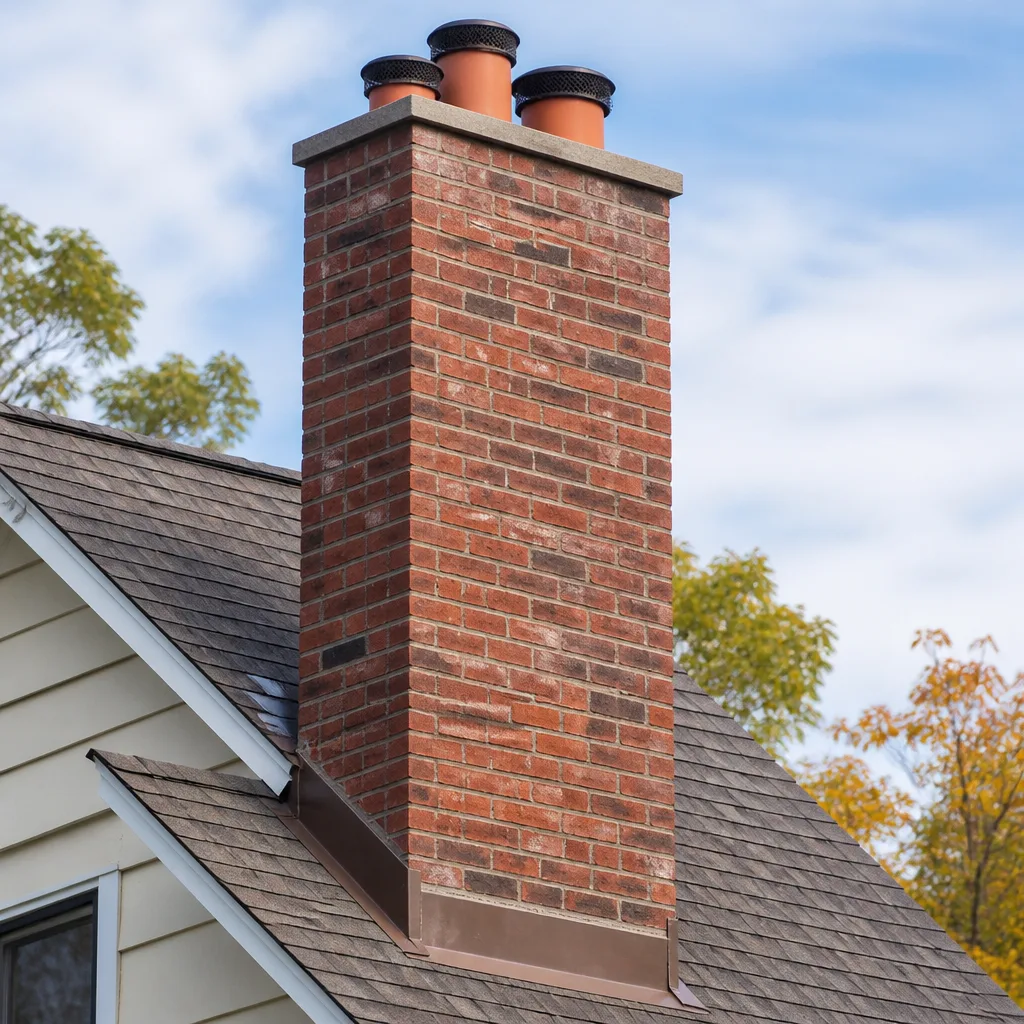 Masonry repair
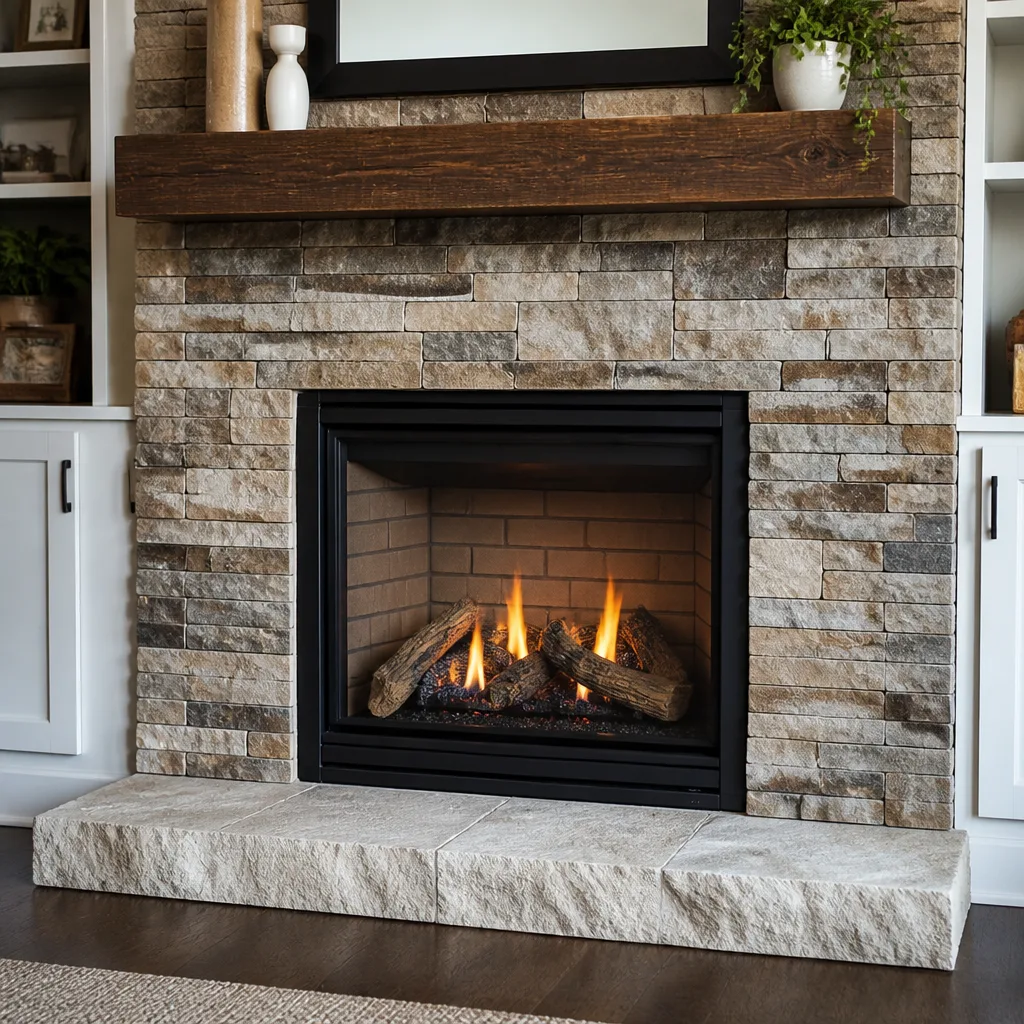 Gas fireplace service
Level 1 sweep and inspection to the NFPA 211 annual standard - flue, crown, cap, and flashing checked and photographed
Chimney sweep logs do not sweep chimneys. They loosen some creosote - which then falls where a brush and vacuum still have to collect it.
Chimney Cleaning Warning Signs: A Lake Forest Homeowner’s Reference Guide
The warning sign most Lake Forest homeowners ignore isn’t smoke rolling into the room or a visibly crumbling crown. It’s a damper that suddenly feels stiff. That small change in resistance when you open or close the damper is often the first physical clue that a liner has shifted or that mortar has migrated down into the smoke chamber, and it usually shows up a year or two before anything dramatic happens. This guide is built around those quiet signals. Below, you’ll learn how to read the early indicators specific to how homes in Lake Forest are built and used, which signs are cosmetic, which point to structural movement, and when a free inspection with camera evidence settles the question.
Quick Answer
The early warning signs of a chimney problem are usually subtle: a damper that stiffens, white mineral staining on the exterior chase, smoke smell between fires rather than only at startup, and a draft that suddenly improves for no clear reason. Smoke rollout, heavy creosote and cracked masonry are later-stage signs. If you notice any of the early signals, the right next step is a camera inspection before deciding on any repair. Call (833) 468-5670 for a free estimate, and we’ll show you what the camera sees.
Styles & brands we work with
- Sweep & inspection
- Caps & crowns
- Flue relining
- Masonry repair
- Gas fireplace service
Table of Contents
- The Damper Stiffness Signal
- What White Staining on the Chase Actually Means
- Smoke Odor at Startup vs. Between Uses
- Cosmetic Spalling vs. Structural Spalling
- Why a Fireplace That Draws Better Can Be a Warning
- Creosote Stages and What They Tell You
- What a Camera Inspection Looks For
- How Often to Schedule a Sweep in Lake Forest
The Damper Stiffness Signal
A damper that gets harder to operate over a season deserves a camera inspection, not a can of lubricant. Increased resistance usually isn’t a hinge problem. It’s a symptom. When a liner shifts, when mortar joints break down and material migrates into the smoke chamber, or when rust and corrosion build on the damper frame, the damper starts to bind. Lubricating it hides the symptom and leaves the cause in place.
In our experience, this is the single most-missed warning sign in Lake Forest homes. Homeowners mention it almost in passing: “The damper’s a little sticky, but it still works.” It does still work, until it doesn’t. And the underlying cause keeps progressing.
What to Check at the Damper
- Operate the damper fully open and fully closed. Note any grinding, catching, or change in effort compared with last season.
- Look up into the smoke chamber with a flashlight. Any visible loose material, rust flakes, or gaps at the damper frame warrant a closer look.
- Check that the damper plate seats flush when closed. A plate that no longer seats cleanly suggests movement at the frame.
- If you notice any of the above, book a camera inspection rather than adjusting or lubricating it yourself.
A damper is a moving part inside a hot, corrosive environment. It’s designed to last, but it’s also the canary. When it starts to fight you, that’s the chimney telling you something upstream has changed. The chimney inspection process uses a camera to see exactly what’s happening in the flue and smoke chamber, so you’re not guessing.
What White Staining on the Chase Actually Means
White, powdery staining on the exterior of a chimney chase is called efflorescence, and it means water is moving through the masonry and evaporating on the surface, leaving mineral salts behind. In a low-rainfall climate like Lake Forest’s, efflorescence is easy to dismiss because it rarely looks wet. That’s exactly why it matters. In a drier climate, the water getting into the masonry is usually coming from the top: a failing crown, a missing or damaged cap, or deteriorated flashing, not from heavy rain soaking the walls.
The pattern tells you something. Efflorescence concentrated near the top of the chase points to crown or cap failure. Staining that runs down one face points to flashing or a joint issue. Staining low on the chase may indicate water tracking behind the siding.
- Top of the chase: suspect the crown, cap, or the top few courses of brick.
- One vertical face: suspect flashing where the chimney meets the roof.
- Scattered patches: suspect mortar joint erosion allowing water into the wall.
- Interior staining on the firebox or smoke chamber: suspect a cap or crown issue letting water down the flue.
Here’s the part most guides skip: efflorescence is the visible end of a process that’s already been happening inside the masonry for a while. The salts you see on the surface have been traveling through the brick. Left alone, that cycle erodes mortar and eventually the brick face itself. A cap and crown in good repair stops the water at the source. That’s why we handle cap and crown work alongside cleaning: the cap and crown protect the work already done, and skipping them is how the same problem comes back. Our chimney repair service covers crown rebuilds and cap installation together for exactly this reason.
Smoke Odor at Startup vs. Between Uses
A smoke smell when you light a cold fire is normal and mostly harmless. A smoke smell between uses, when no fire has burned for days, is a different signal, and it usually points to a structural or airflow issue. Distinguishing the two is one of the most useful things a homeowner can learn.
Normal: Odor Only When Lighting a Cold Fire
A cold flue is dense, cold air sitting in a column. Until it warms up, smoke can spill briefly into the room. Once the flue warms and draft establishes, the smell clears. This is normal, especially in homes where the fireplace hasn’t been used in months. Opening a window slightly at startup and pre-warming the flue helps.
Not Normal: Persistent Odor Between Uses
If your fireplace smells like smoke or creosote on warm days with no fire, or after rain, the causes are different and worth chasing:
- Pressure reversal: the house is pulling air down the flue. Common in tightly built homes and in rooms with strong exhaust fans.
- Creosote accumulation: a thick creosote layer holds odor and releases it as temperatures shift. This is a chimney sweep issue before it becomes a fire risk.
- Water intrusion: a damaged cap or crown lets moisture in, and moisture plus soot equals a persistent, acrid smell.
- Animal nesting: birds and small mammals in the flue, especially in the off-season.
- Liner damage: a cracked or shifted liner lets combustion byproducts escape in ways they shouldn’t.
The key diagnostic: does the smell follow use within a day or two, or does it appear independent of use? If it’s independent, that’s your signal to get the chimney inspected, because the cause is structural or airflow-related, not just a cold flue. In our experience, Lake Forest homeowners tend to notice the between-uses smell in the shoulder seasons when the fireplace is idle and the house is closed up, which is exactly when a small odor problem becomes obvious.
Cosmetic Spalling vs. Structural Spalling
Spalling is brick that has begun to flake, peel, or break away at the face. Not all spalling is structural. The difference comes down to pattern, location, and depth. Knowing which is which saves homeowners from unnecessary repairs and, more importantly, catches the structural cases before the flue itself is compromised.
Cosmetic Spalling
- Isolated to one or two bricks, usually low on the chase or on a decorative face.
- Surface flaking only, with the brick body intact underneath.
- No corresponding interior symptoms (no damper stiffness, no odor, no draft change).
- Often related to a single wet spot or a long-standing drip from a roof feature.
Structural Spalling
- Multiple bricks across a region, often in a horizontal band or following a joint line.
- Depth beyond the face: brick body breaking away, not just the surface.
- Accompanied by mortar joint erosion, gaps, or bricks that sound hollow when tapped.
- Corresponds with interior symptoms: damper binding, odor, draft changes, or visible gaps in the smoke chamber.
- Horizontal or stair-step crack patterns, which suggest movement rather than moisture.
The interior and exterior tell the same story if you know how to read both together. A brick face flaking on a chase with a sound crown and no interior symptoms is cosmetic. A chase with a horizontal pattern of spalled brick plus a damper that’s getting stiff is a structural signal, and in that case the flue needs to be viewed from the inside before any exterior repair is proposed. Camera inspection is the only way to confirm what the flue looks like without dismantling anything.
Why a Fireplace That Draws Better Can Be a Warning
A fireplace that suddenly draws better than it used to isn’t always good news. Sometimes the improved draft is a symptom, not an upgrade. When a cap loosens, when a liner develops a gap or failure, or when the flue’s effective cross-section changes, airflow through the system changes with it. A fireplace that used to smoke slightly at startup and now drafts cleanly, with no other changes, is worth understanding.
The Common Causes of Sudden Draft Improvement
- Cap damage or removal. A missing or partially detached cap opens the flue top and can increase draft, while also letting in rain, animals, and debris.
- Liner failure or partial separation. A liner that has begun to break down changes the internal dimensions of the flue, altering how air moves through it.
- Smoke chamber alteration. Mortar migration or liner shifts can change the geometry of the smoke chamber, affecting how smoke is drawn up.
- External pressure changes. New construction, a new exhaust fan, or a change to the house’s air sealing can shift pressure in ways that change draft.
- Seasonal effects. Warmer outdoor temperatures reduce the temperature differential that drives draft, which can make draft feel different in summer than in winter. Rule this out first.
Most sudden draft improvements are pressure-related and benign. The ones worth investigating are those that come with a second signal: a new smell, a stiff damper, visible efflorescence, or a change in how the fire burns. When two signals appear together, the odds that it’s structural go up sharply. This is why we always lead with inspection: the goal is to only recommend work when the camera shows it’s actually needed, and to say plainly when something can safely wait.
If the inspection shows a failed liner, we install DuraFlex flexible liner systems for both new installations and re-lining of existing flues. For liners with less severe damage, HeatShield liner restoration is often enough to bring the flue back into service without a full replacement. Those two options cover most of what we see, and they’re the reason we carry professional-grade materials rather than installing whatever’s on hand.
Creosote Stages and What They Tell You
Creosote builds up in three recognizable stages, and the stage tells you how urgent a sweep is. Stage 1 is a light, flaky soot that brushes off easily. Stage 2 is a denser, crusty, or tar-like deposit that requires more than a brush. Stage 3 is a glazed, hardened layer that’s difficult to remove and is the most flammable. The step from Stage 2 to Stage 3 is where the risk concentrates, and it’s the step homeowners can’t see from the firebox.
- Stage 1: light soot, typical after a season of normal use. Sweep it before it becomes something else.
- Stage 2: crusty, tar-like. Requires more than a standard brushing pass. Get this on a schedule.
- Stage 3: glazed and hard. The highest fire risk. Never defer this one.
What drives creosote buildup is the burn. Cool, smoldering fires and unseasoned wood produce more creosote than hot, clean fires with dry wood. In Lake Forest’s mild winters, the tendency to burn short, low fires for ambiance rather than for heat is a real factor, because those cooler fires deposit more creosote per hour of burn. The same chimney used the same number of times can be in a very different creosote state depending on how the fire is run.
This is why “how often should we sweep?” doesn’t have one answer. The honest answer is: it depends on how much you burn, how you burn, and what the flue looks like. A sweep booked at the right interval is cheaper than a sweep booked too late, which is cheaper than anything that follows a Stage 3 fire.
What a Camera Inspection Looks For
A camera inspection puts a small, lit camera down the flue and shows the condition of the liner, smoke chamber, damper assembly, and flue joints on a monitor you can see. It turns “the chimney looks fine from the firebox” into evidence. That’s the whole point: you shouldn’t have to take a technician’s word for it that work is needed.
Step by Step: What Happens During a Camera Inspection
- Exterior review. We look at the crown, cap, flashing, and brick face for signs of water intrusion or movement.
- Firebox and damper check. We operate the damper and check the firebox for cracks, gaps, and material loss.
- Camera descent. A camera travels the flue, showing liner joints, gaps, and creosote stage on the monitor.
- Smoke chamber view. We check for mortar migration into the smoke chamber, which is often where the damper stiffness signal originates.
- Photo report. You receive the images and a written summary, including what’s fine, what needs attention, and what can safely wait.
- Clear recommendation. If repair is needed, the estimate is written and the scope is explained. Nothing is recommended without evidence you’ve seen.
We include camera inspection and a photo report with our sweep service, because a sweep without inspection is only half the job. The sweep clears the flue; the inspection tells you whether anything else needs to change. That’s also why we work across the full scope of the chimney, from the firebox to the crown: Lake Forest Chimney Sweep Pros handles the sweep, the inspection, fireplace repair, chimney repair, and cap and crown work under one call, so you’re not coordinating between a sweep-only company and a separate mason.
How Often to Schedule a Sweep in Lake Forest
Most wood-burning chimneys should be swept and inspected once a year, and gas fireplaces inspected on the same cadence. The annual schedule isn’t arbitrary: it matches the rate at which creosote accumulates and the point at which small issues can still be corrected without major repair. Homes that burn daily in winter may need more frequent sweeps; homes that light a handful of fires a year may stretch the interval, but the inspection should still be annual.
Signs It’s Time to Book Before the Annual Date
- The damper is stiffer than it was last season.
- You notice a smoke odor between uses, not just at startup.
- New efflorescence appears on the chase.
- The draft has changed noticeably in either direction.
- You see spalling that’s spreading or appearing in a horizontal pattern.
- It’s been more than a year since the last sweep, regardless of use.
In Lake Forest, the seasonal rhythm matters. The mild winters mean the fireplace often goes quiet for months, then comes back into use when the weather cools. Booking a sweep before that first fire, rather than after the first signs of trouble, is the cheapest path. It’s also the point at which anything that developed during the off-season (nesting, a loosened cap, new efflorescence) can be caught and corrected while it’s still small. If the off-season turned up signs, that’s the time to book, not later.
Common Mistakes to Avoid
- Lubricating a stiff damper and calling it done. A damper that binds is telling you something upstream has moved. Lubricant hides the symptom and leaves the cause to progress.
- Dismissing white staining on the chase as “just cosmetic.” In Lake Forest’s low-rainfall climate, efflorescence that appears and spreads usually means water is coming in from the top, not the sky, and it’s eroding the masonry while it’s visible.
- Assuming a smoke smell between uses is normal because the startup smell is normal. The two are different. Startup odor is a cold flue; between-uses odor usually points to creosote, water intrusion, or liner wear.
- Treating all spalling brick the same. Isolated, shallow, low-on-the-chase spalling is generally cosmetic. A horizontal band of deep spalling is structural and needs the interior viewed before any exterior repair.
- Celebrating a fireplace that suddenly drafts better. Improved draft with no other change can mean a loosened cap or a shifted liner. Look for a second signal before assuming it’s an upgrade.
- Skipping the annual inspection because “the fire still works fine.” A chimney in trouble often burns perfectly well right up until it doesn’t. The inspection is what catches the difference.
- Cleaning and leaving the cap and crown untouched. A sweep that doesn’t address the cap and crown leaves the water intrusion problem in place, and the same symptoms return next season.
See the difference
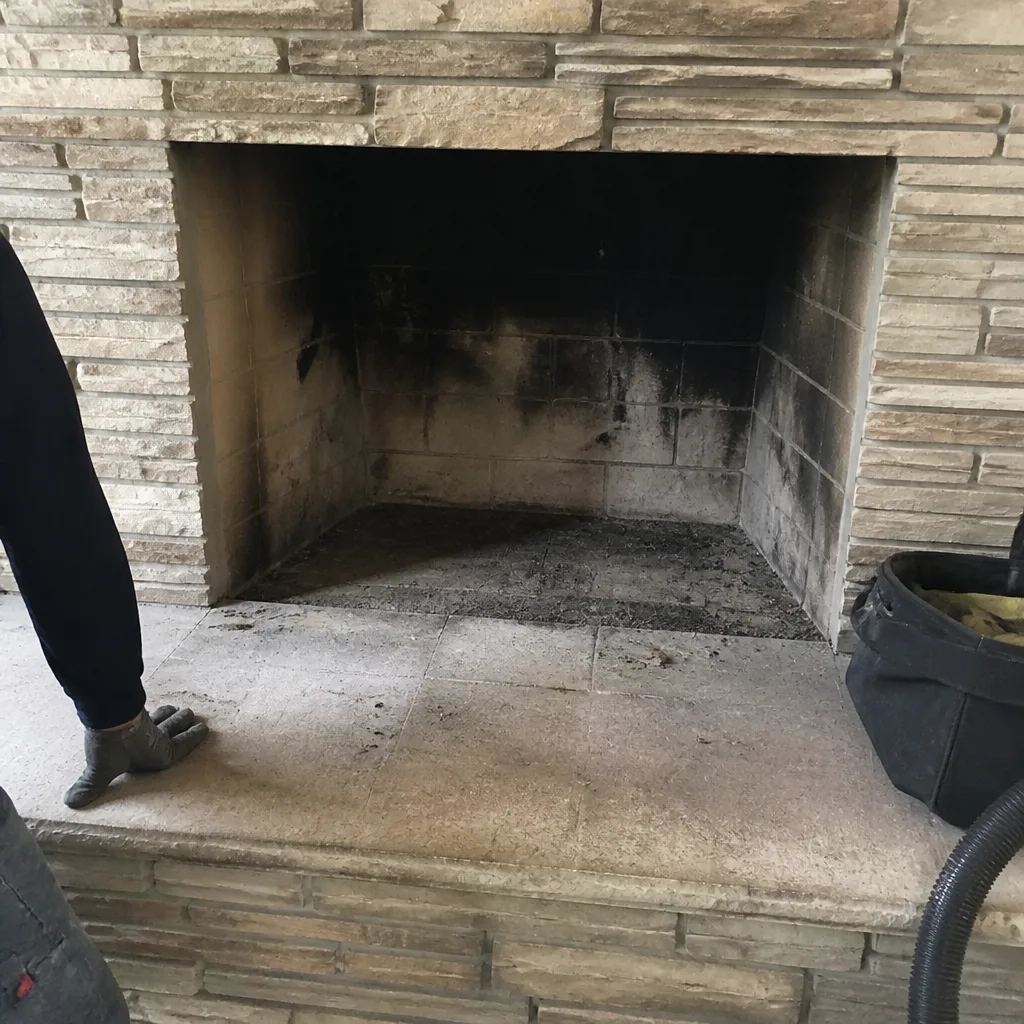 Before
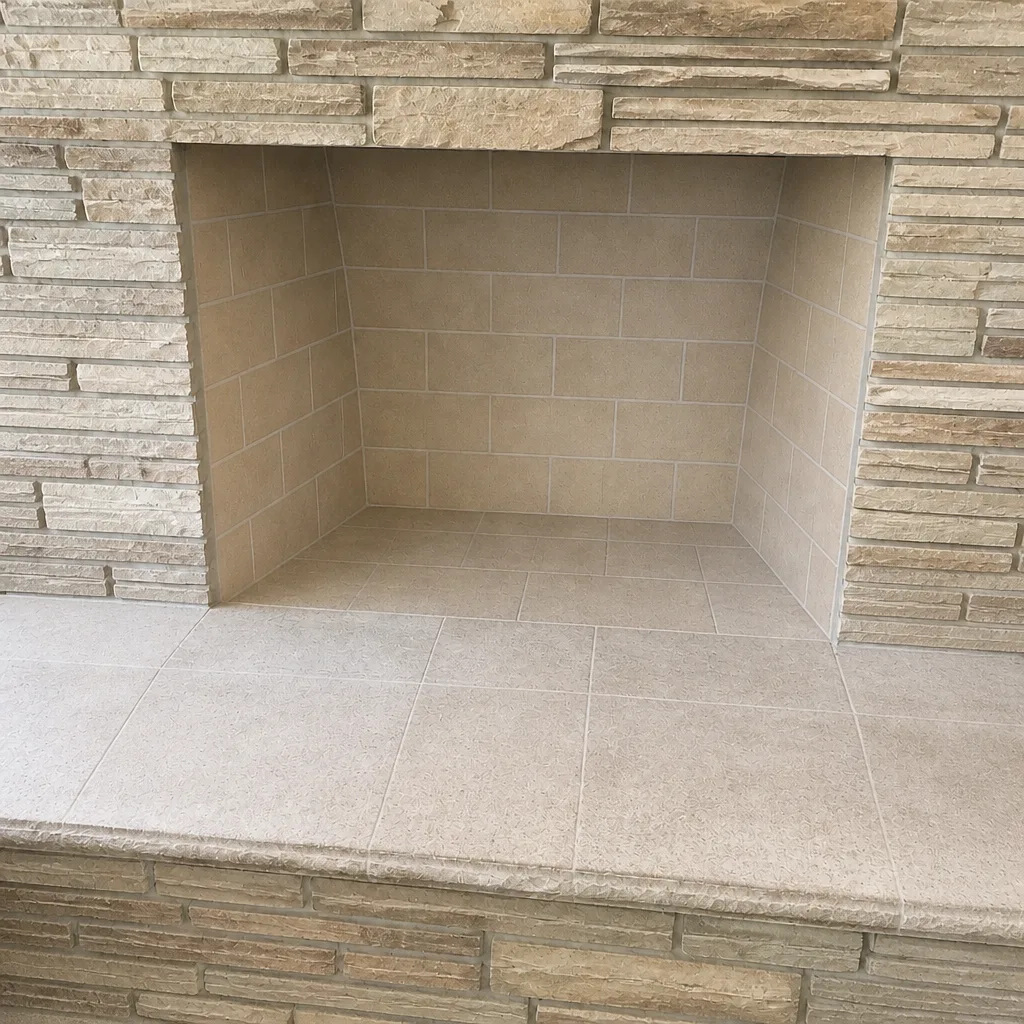 After
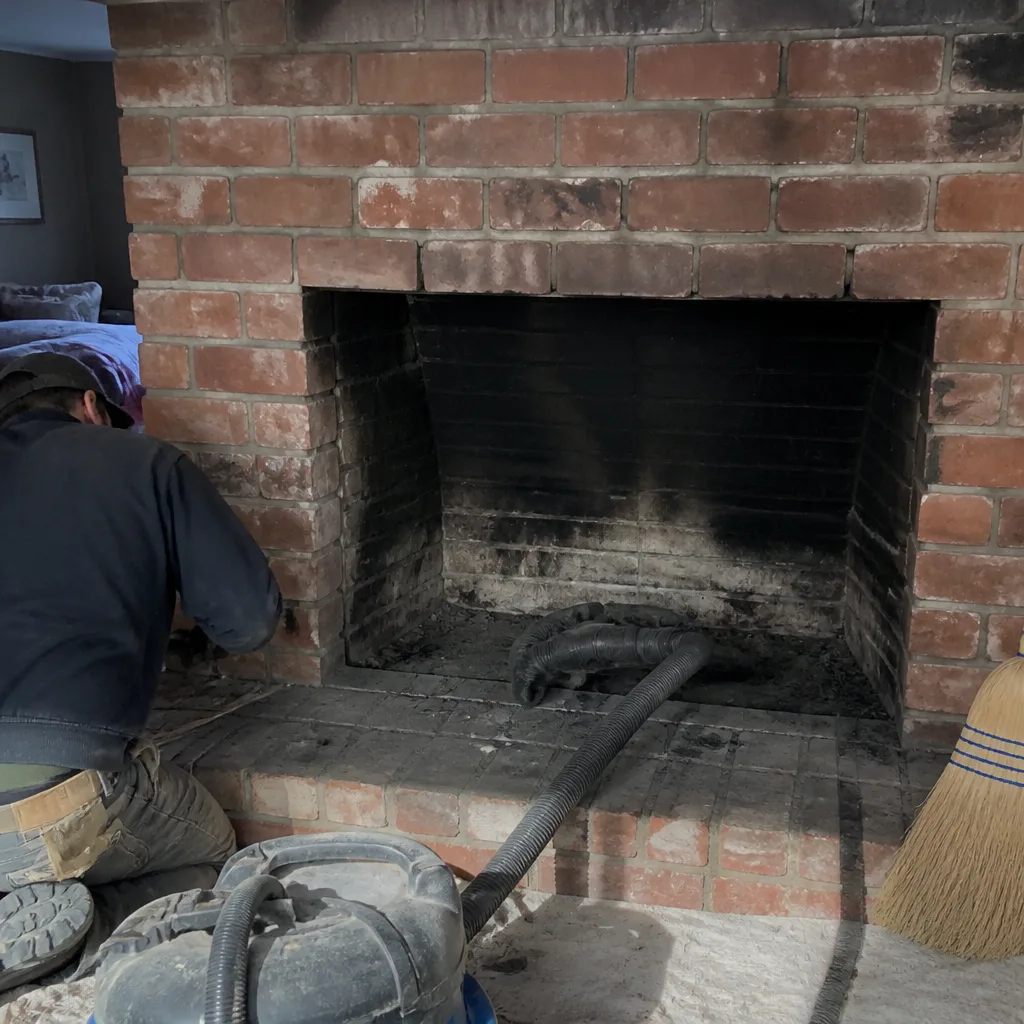 Before
 After
 Before
 After
When to Call a Professional
Call a professional if you notice any of the early signals in this guide, and call promptly if you have smoke rollout, a persistent chemical or acrid smell with no fire burning, visible cracks through the smoke chamber, or a glowing or hot spot on the chase exterior. High-tension chimney components, gas connections, and structural masonry are not jobs to reason through without training; a chimney carries combustion products and fire risk, and the failure modes can be serious. Don’t remove a damper or a liner component yourself, and don’t burn in a fireplace with a known liner failure.
For routine intervals, book the annual sweep and inspection, and book before the burning season rather than after the first scare. We offer free estimates in Lake Forest. Call (833) 468-5670. We answer 24/7, with fast dispatch from 7am to 7pm, Sunday through Friday. Our technicians have up to 13 years of experience and work with professional-grade materials from brands including HeatShield, Gelco, Olympia Chimney, and Famco, so what’s installed in your chimney is what technicians in the trade would choose for their own. Nothing is recommended without camera evidence you’ve seen, and we’ll tell you honestly when something can safely wait.
Frequently Asked Questions
The earliest signs are usually subtle: a damper that gets stiffer to operate, white mineral staining (efflorescence) on the exterior chase, a smoke smell between uses rather than only at startup, and a sudden change in draft. Smoke rollout, heavy creosote, and visible masonry cracks are later-stage signs. If you notice any early signal, a camera inspection is the way to confirm what’s happening. Call (833) 468-5670 for an exact quote; estimates are free.
A standard sweep with inspection typically runs in the low-to-mid hundreds of dollars, and any repair work is quoted separately after the camera inspection. We set the final price with a written estimate you receive before work begins, so you know the number up front. We don’t add fees after the fact. Call (833) 468-5670 for an exact quote; estimates are free.
White, powdery staining on the chase is efflorescence, and it means water is moving through the masonry and evaporating on the surface. In a low-rainfall climate like Lake Forest’s, that water is usually entering from the top through a failing crown, damaged cap, or deteriorated flashing. The sooner it’s inspected, the more likely the fix is cap and crown work rather than masonry repair. Call (833) 468-5670 for an exact quote; estimates are free.
Improved draft isn’t always good news. A loosened cap, a liner that has shifted, or a change in the smoke chamber geometry can all increase draft while letting in water or combustion byproducts. If the change came with a new smell, a stiff damper, or visible efflorescence, get it inspected. Call (833) 468-5670 for an exact quote; estimates are free.
Wood-burning chimneys should be swept and inspected once per year, and gas fireplaces inspected on the same schedule. Homes that burn frequently may need more; homes that burn occasionally can stretch the sweep interval, but not the inspection. The annual inspection is what catches creosote stage changes and cap or crown issues before they become expensive. Call (833) 468-5670 for an exact quote; estimates are free.
Not always. A camera inspection shows whether the liner has failed, and many liners can be restored with HeatShield rather than replaced. When a full replacement is needed, DuraFlex flexible liner systems cover both new installations and re-lining of existing flues. The recommendation should always be based on camera evidence you can see, not just a visual glance from the firebox. Call (833) 468-5670 for an exact quote; estimates are free.
The Bottom Line
The warning signs worth paying attention to are the quiet ones: a damper that stiffens, white staining on the chase, a smell that lingers between fires, a spalling pattern that spreads, or a draft that changes for no clear reason. Any one of these is a reason to book an inspection; two together is a reason to book sooner. The camera settles the question, and the photo report lets you see what the technician sees, so repairs are only recommended when they’re actually needed. If the sweep and inspection show the chimney is fine, you’ll know that too. We handle the full chimney, from the firebox to the crown, so a single call resolves what used to require multiple vendors. Call (833) 468-5670 for a free estimate.
Written by the team at Lake Forest Chimney Sweep Pros.