
Last updated November 25, 2026
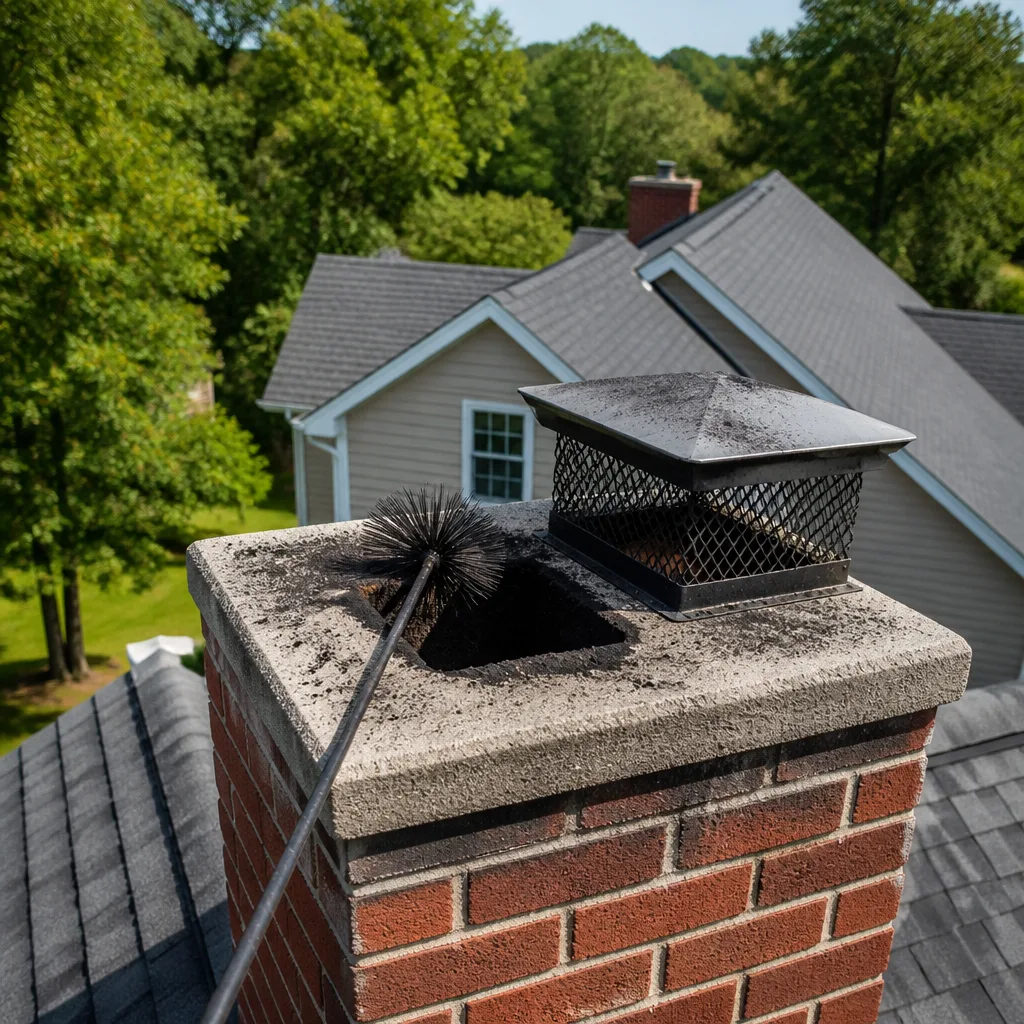 Sweep & inspection
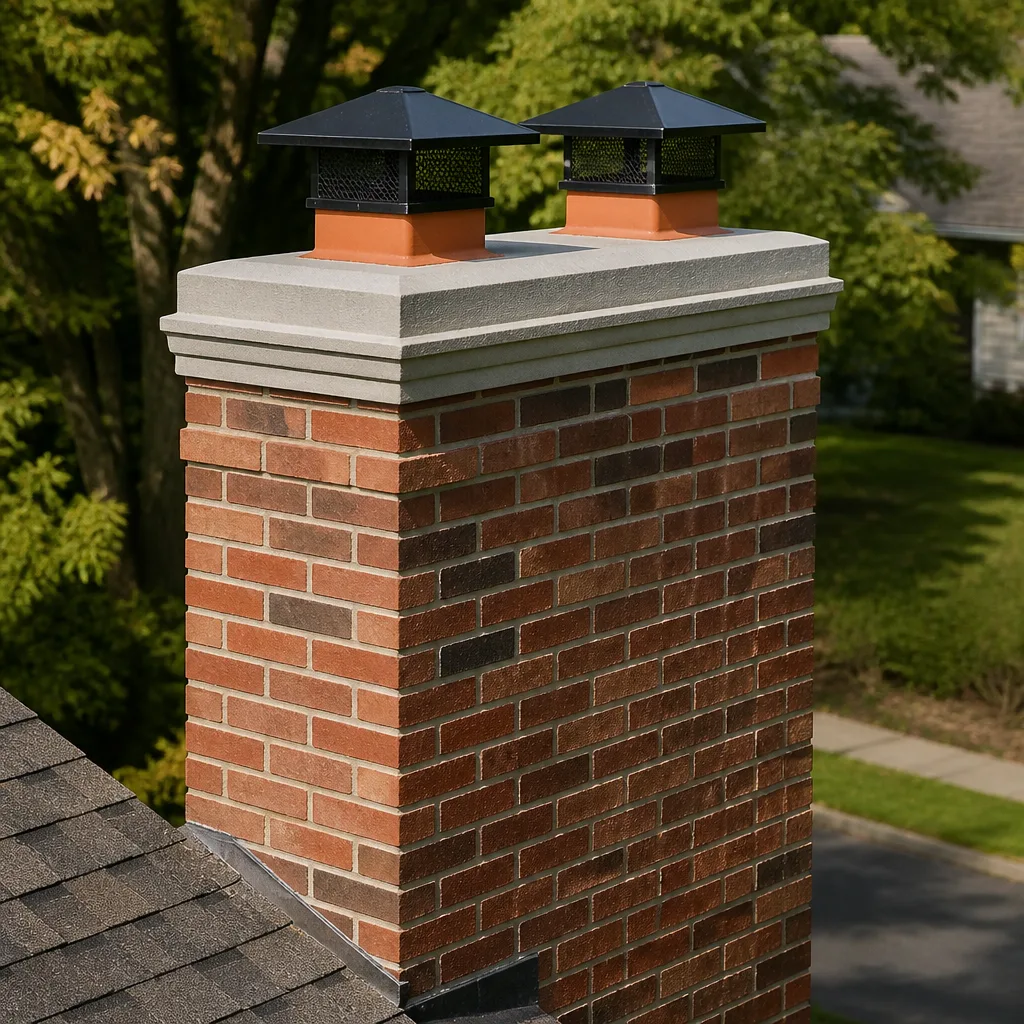 Caps & crowns
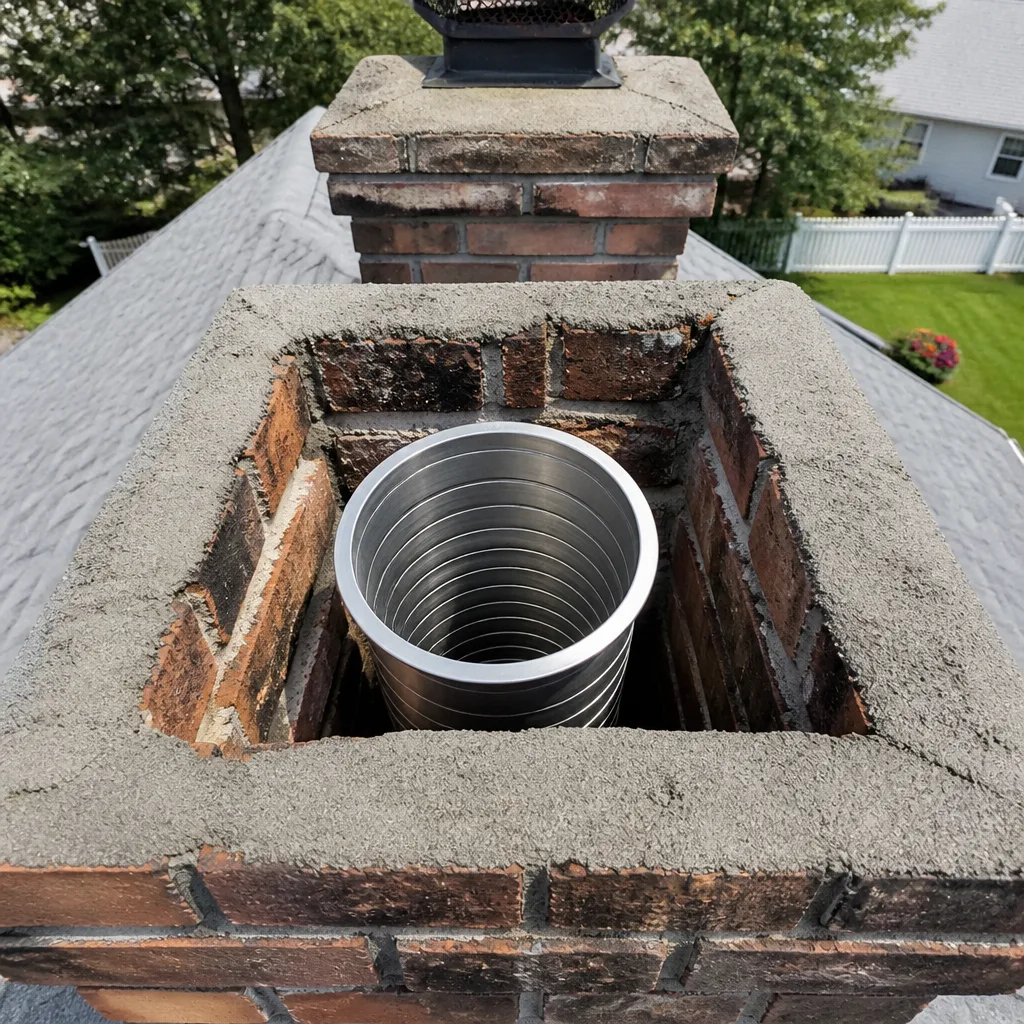 Flue relining
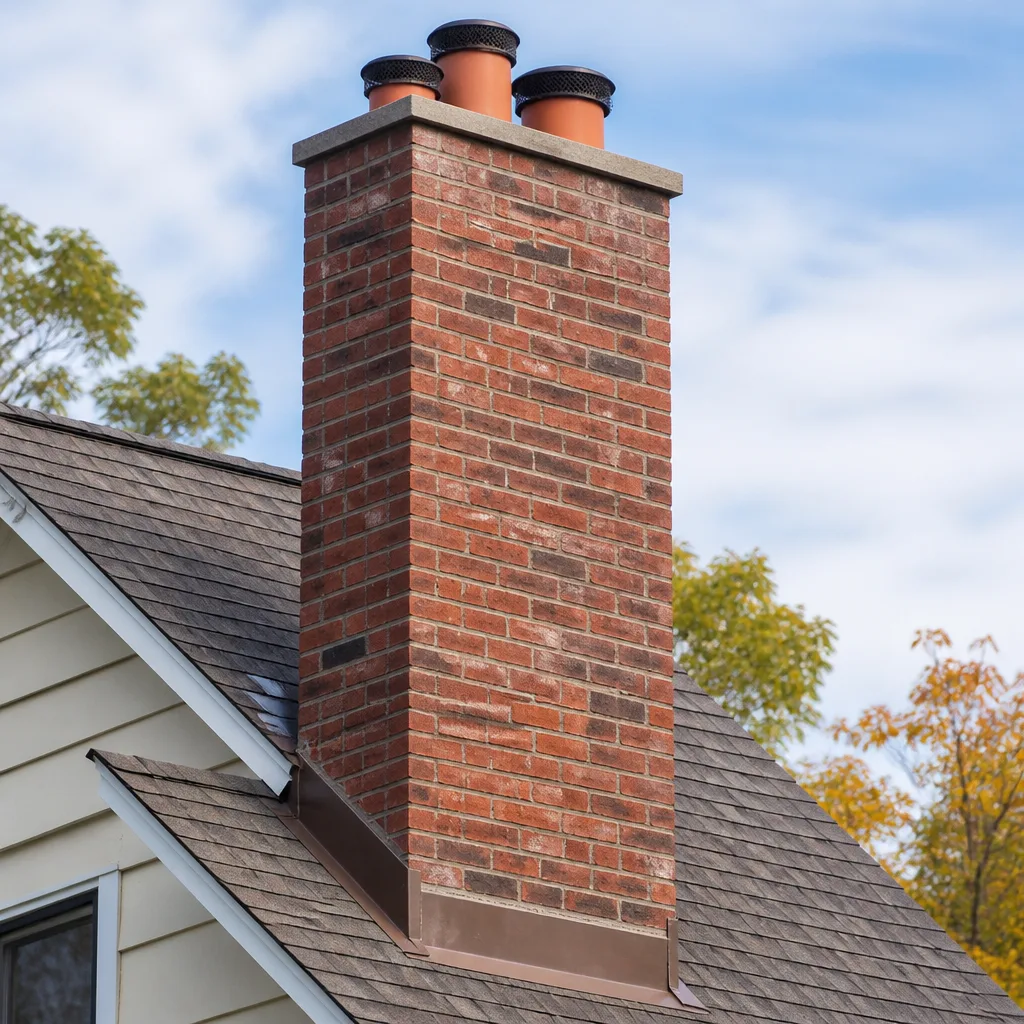 Masonry repair
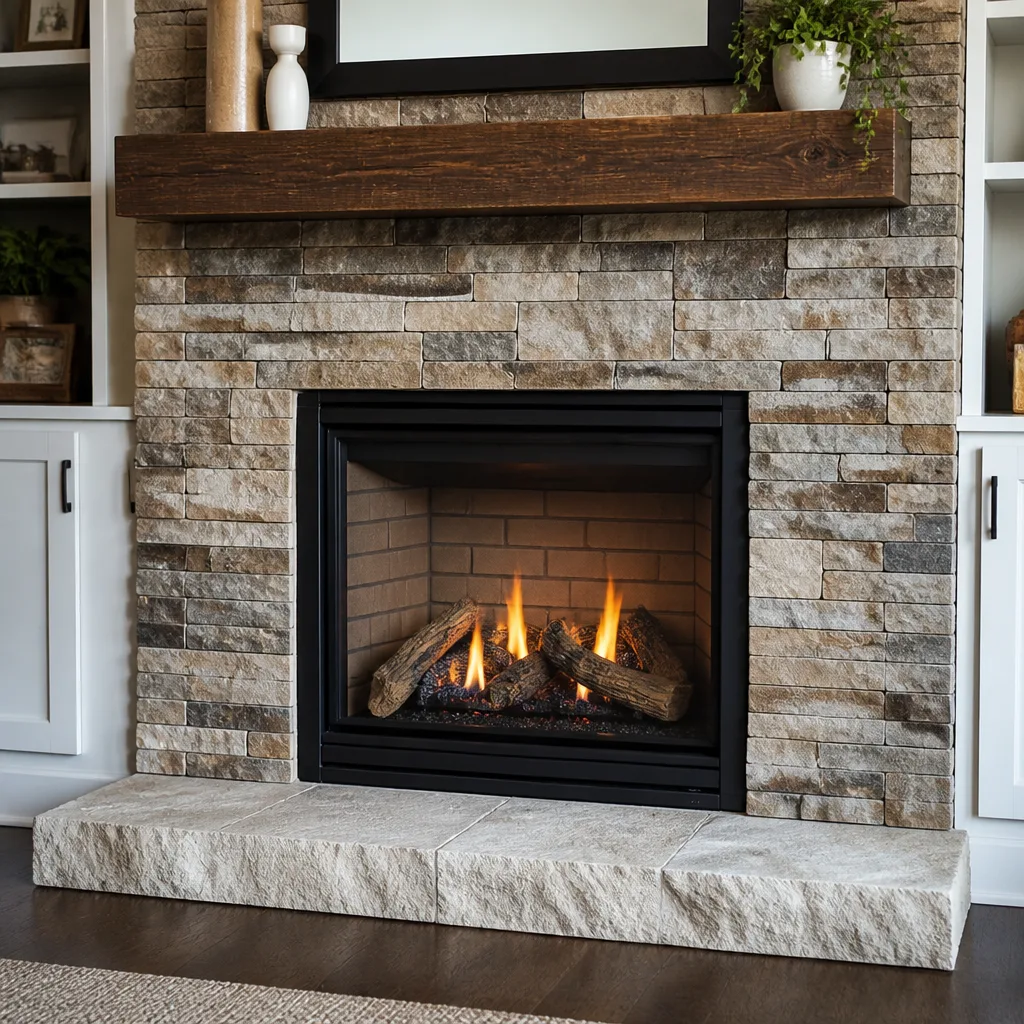 Gas fireplace service
Level 1 sweep and inspection to the NFPA 211 annual standard - flue, crown, cap, and flashing checked and photographed
Chimney sweep logs do not sweep chimneys. They loosen some creosote - which then falls where a brush and vacuum still have to collect it.
How to Hire a Chimney Cleaning Contractor in Lake Forest: A Step-by-Step Guide
The cheapest quote you get for a chimney sweep in Lake Forest often comes from a company that can clean but can’t repair. That distinction doesn’t matter until the camera goes down the flue and finds a cracked liner or a crown that has started to crumble. Then you’re not hiring a sweep anymore, you’re hunting for a second contractor in the middle of the season, often weeks after the first company packed up and left. This guide is about choosing the right company the first time. We’ll cover what to ask before you book, what certifications actually verify, how to read an inspection report, and how to compare bids on equal terms so you’re comparing scope, not just a number.
Quick Answer
Hire a chimney contractor in Lake Forest by confirming three things before you book: that they’re a dedicated chimney specialist (not a handyman adding sweeps to a long service list), that they can both inspect and repair so you’re not left sourcing a second company when problems turn up, and that their written estimate breaks out the sweep, the inspection, and any repair work as separate line items. Ask whether they carry liner materials and own the equipment to install a flexible liner. If the answer is no, you’re hiring half a contractor.
Styles & brands we work with
- Sweep & inspection
- Caps & crowns
- Flue relining
- Masonry repair
- Gas fireplace service
Table of Contents
- Why Chimney Contractor Choice Matters in Lake Forest
- Questions to Ask Before You Book a Sweep
- What CSIA Certification Verifies – and What It Doesn’t
- Why State Contractor Licensing Matters Separately
- How to Read a Chimney Inspection Report
- How to Compare Chimney Bids on Equal Terms
- Red Flags in Chimney Sweep Advertising
- What Full-Service Capability Actually Looks Like
Why Chimney Contractor Choice Matters in Lake Forest
Lake Forest sits in a part of Southern California where winters are mild enough that many homeowners don’t think hard about their chimney until the first cool evening arrives. Fires tend to get lit in bursts rather than every night for four straight months. That pattern has an effect on the flue. A chimney that gets used hard for two weeks in December, then sits cold for months, then gets lit again in January builds up creosote in layers, and each new fire glazes the previous deposit. Glazed creosote is the hard, tarry kind that’s difficult to remove and carries the greatest fire risk. A sweep-only company can often brush the softer deposits but struggles with the glazed stage, which is precisely where a specialist who also does chimney repair and relining earns their keep.
There’s a second factor specific to the housing stock here. Lake Forest has a mix of older ranch-style homes built through the 1970s and 80s alongside newer construction. The older homes were frequently built with clay tile flues that are now decades past their prime, and clay tile cracks under thermal cycling in ways that aren’t visible without a camera. A contractor who sweeps but doesn’t have a liner system ready to install if the tiles are failing is, in practical terms, leaving you with a report and no next step.
The hiring decision therefore isn’t mostly about finding someone with a brush and a vacuum. It’s about finding someone who can carry the job through whatever the sweep turns up. As a chimney and fireplace specialty company, that’s the frame we work from on every Lake Forest job. One call, no subcontractors, no second vendor called in mid-season.
Key Takeaways
- Capability first, price second. A sweep-only company can leave you stranded when the inspection finds liner or crown damage.
- Ask about repair scope before booking. The right question isn’t “do you sweep?” but “can you reline, restore, and cap?”
- CSIA certification and state contractor licensing are two separate checks. One covers chimney technique; the other covers who is legally allowed to contract the repair work.
- A legitimate inspection report has a camera photo, a location, and a description you can understand. No photo, no agreement – hold the line on that.
- Compare bids on scope. The lowest quote is often the narrowest one, not the most efficient one.
Questions to Ask Before You Book a Sweep
These are the questions that separate a full-service chimney specialist from a company that cleans and leaves. Ask them on the phone, before anything is booked. A confident specialist will answer them plainly.
- Can you inspect, sweep, and repair under one roof? The single most important question. If the answer is “we clean, but you’d need another contractor for repairs,” you’ve just learned your risk exposure. Any chimney that hasn’t been looked at in a few years can have liner or crown issues.
- Do you carry liner materials and install flexible liner systems? A contractor who does relining as an afterthought or a subcontract doesn’t own the equipment. Ask specifically whether they install flexible liner systems, and if so, what brands. Professional-grade names come up in a real answer: DuraFlex, Olympia Chimney, Copperfield, Famco. Familiarity with those brands is a working signal, not a guarantee, but a specialist who can’t name any liner brand at all isn’t installing liners.
- Do you carry chimney cap and crown materials? Sealing the top of the chimney after a repair protects the work you’ve already paid for. A sweep-only company can clean and leave the crown cracked and the chimney open to rain and animals.
- What’s in your inspection? A real inspection means a camera down the flue and a written report with photos. Phase one is the basic visual, phase two adds the camera and video scan, phase three is the full investigation with specialized tools. Most homes need phase two on a first visit.
- Are you a dedicated chimney company, or does chimney work sit alongside other trades? A handyman who does chimneys on the side isn’t the same as a chimney specialist. The difference matters when the sweep turns up a firebox crack or a liner defect.
- Is the estimate free and written? Transparency in the estimate process is a proxy for transparency on the job. Free written estimates, itemized by service line, is the standard.
- Who is the local pro and what are their credentials? The technician coming to your home should be state-licensed and insured as their state requires, and CSIA-certified if they’re doing the inspection or installation. We connect you with independent local professionals who hold those credentials.
When we take a first-time call in Lake Forest, these are the questions we answer up front, before a time is booked. Our technicians have up to 13 years of experience, and we work from a curated roster of professional-grade brands so the conversation isn’t guessing.
What CSIA Certification Verifies – and What It Doesn’t
CSIA stands for the Chimney Safety Institute of America. A certified sweep has passed a written exam and signed a code of ethics, and certification needs to be renewed. What the certification tells you: the technician has demonstrated knowledge of chimney structure, drafting, creosote behavior, and inspection standards. What it doesn’t tell you: whether that technician’s employer is legally set up to contract the repair work you’ll likely need, or whether they actually own the equipment to install a liner. Those are two different things.
Where CSIA certification matters most in Lake Forest:
- Inspection quality. A certified inspector works from a defined standard (NFPA 211 for chimney and venting) and knows what is a finding and what is normal.
- Creosote assessment. Certified technicians are trained to grade creosote buildup and know when a level three deposit requires a rotary tool rather than a brush.
- Code context. A certified inspector can flag whether a given installation meets the current venting standard, which is a separate issue from whether it’s clean.
Where CSIA certification alone isn’t enough:
- It doesn’t authorize the repair work. That’s a state licensing question, covered next.
- It doesn’t specify which brands of liner a company installs. Two certified technicians can work with entirely different material lines. Ask what they use.
- It doesn’t tell you what happens after the sweep. A certified sweep at a sweep-only company can still leave you needing a liner and no installer.
Why State Contractor Licensing Matters Separately
California contractor licensing is a separate check from chimney certification. The license classifications most relevant to chimney work are C-61 limited specialty and D-49. A contractor performing chimney repair, liner installation, or crown rebuild should hold the appropriate license for that scope. Ask for the license number in writing and verify it through the Contractors State License Board. This is not an insult to the technician; it’s normal homeowner due diligence, and a professional expects it.
The distinction matters in a real-world scenario. A CSIA-certified technician can sweep and inspect your chimney with perfect competence and still lack the license to contract the liner installation that the inspection recommends. That technician’s employer either subcontracts the liner work (meaning a second company enters the picture) or declines the job and hands you a list of companies who can do it. Either way, you’re managing a second contractor. A specialist that holds both the certification and the license to perform the repair closes that gap.
In our experience, the homeowner side of this is straightforward: ask for the license number, look it up, and ask for a written scope. That’s all it should take. When we connect a Lake Forest homeowner to a local pro for a job, that pro is licensed and insured as their state requires, and the written estimate is the price that gets charged.
How to Read a Chimney Inspection Report
A chimney inspection report should give you three things: a photo, a location, and a plain-language description of what the photo shows. If any of those three is missing, the finding isn’t verifiable and you shouldn’t agree to the repair. This is the single best defense against unnecessary upsells. A competent report describes findings in the language of the standard reference for chimney condition (the NFPA 211 condition categories – new, satisfactory, needs repair, and hazardous).
What a legitimate finding looks like:
- A camera image. You should be shown the actual photo, at the location it was taken.
- A specific location in the flue, firebox, or crown. “The liner has cracks near the smoke chamber” is a location. “Your chimney needs to be relined” with no location is a red flag.
- A description in technical terms you can understand. A cracked clay tile, a mortar joint that has parged over, a crown crack that runs into the flue, a missing rain cap, a damper that doesn’t seal. Each of these is describable.
- An explanation of consequence. Why does a cracked crown matter? Because water gets into the chimney structure and freezing winter temperatures aren’t the issue here; the issue is steady water damage during the rainy season and the mortar degrading over time. A specialist will explain consequences in plain terms.
What an upsell looks like:
- “Your liner is bad.” No photo. No location. No description of what’s actually wrong.
- A recommendation that calls for a completely new chimney when a repair would do. Sometimes a chimney needs rebuild; most of the time it needs a properly installed flexible liner or a heat shield restoration.
- Pressure to sign today. Chimney safety does warrant acting on genuine hazards, but no legitimate finding requires a decision before you’ve reviewed the photo.
- A quote that lists repairs without saying why. The “why” is the language of a real finding.
Inspection first – so repairs are only done when they’re actually needed. If the camera doesn’t show a problem, we say so, and if the work can safely wait until next season, we say that too. Call (833) 468-5670 for an exact quote. Estimates are free.
How to Compare Chimney Bids on Equal Terms
Comparing chimney quotes without normalizing the scope is how the cheapest bid wins a job it shouldn’t. Before you compare numbers, write down what each bidder is proposing to do in the same categories:
- Sweep. What method? Brush, rotary, or vacuum-assisted? A level one, two, or three creosote deposit changes the labor substantially.
- Inspection. Is a phase two inspection (camera down the flue) included, or is the sweep followed by a verbal “you’re all set”? Phase two should include a written report with photos.
- Liner. Is the liner in the bid sized, and is the material class stated (a flexible stainless liner vs. a cast-in-place restoration)? DuraFlex flexible liner systems and HeatShield liner restoration are different scopes with different cost profiles, and a bidder who doesn’t name a specific system isn’t giving you a comparable number.
- Crown and cap. Is the crown repair a patch or a full rebuild? Is the cap stainless, and is it sized for the flue? A bid without a cap line item is often a bid that won’t protect the repair underneath.
- Debris removal and cleanup. Included or added afterward?
- The written estimate as the final price. A verbal quote isn’t a comparison. The written estimate should be itemized so you can line them up.
Comparing on scope this way usually reveals the reason one bid is dramatically lower: it’s proposing less. A sweep-only quote can look 40 percent cheaper than a full-service quote and turn out to be far more expensive once the second contractor invoice comes in, because you’re effectively buying the job twice.
Red Flags in Chimney Sweep Advertising
The advertising signals are useful because they tend to repeat. Here are the ones we watch for when a Lake Forest homeowner asks us to make sense of a bid from someone else.
- A vague, sprawling service list. Handyman, gutter cleaning, pressure washing, chimney sweep. If chimney work is one line item among fifteen, it’s a side offering, not a specialty. Depth of chimney knowledge is not the same thing as breadth of home services.
- No mention of liner work anywhere. If a company’s website and phone script never mention liners, restoration, or relining, they likely don’t do it. That’s fine as long as you don’t need it; the problem is you don’t know until the camera is down.
- No physical business address. A chimney company should have a real address on its site and its written estimate. A company that operates entirely through a phone number and an email address may be a lead-generation front that subcontracts everything out.
- Prices advertised with no scope. “$99 chimney sweep” without stating what’s included (level of creosote, inspection, camera) is a bait number. Real pricing varies with condition. The written estimate is the honest number.
- Fear-based language with no specifics. If the pitch leans on “your family’s safety” without a camera photo, that’s marketing, not inspection. The evidence should do the persuading.
- No mention of a cap or crown in any service list. A specialist protects what they repair. A company that sweeps but never caps is a company that leaves a repair exposed.
What Full-Service Capability Actually Looks Like
Full-service in chimney work doesn’t mean “we also install gutters.” It means one company can carry the job from the firebox to the crown. Here’s what that looks like across the service lines we work with in Lake Forest.
Sweep. A proper chimney sweep is not just a brush and a vacuum. It’s an assessment of the creosote grade (level one, two, or three), a cleaning appropriate to the deposit, and a first look at the flue, firebox, damper, smoke chamber, and cap. The sweep ends with a short verbal summary and, if anything catches our eye, a recommendation to move to a phase two inspection.
Inspection. A phase two inspection is camera-driven, recorded, and reported in writing. This is the evidence layer that makes any repair recommendation verifiable. We include camera inspection and a photo report with our inspections so you can look at the same images we’re looking at.
Fireplace repair. Dampers, fireboxes, and the fireplace opening itself. A firebox with a crack in the brick or a damper that won’t seal is a source of smoke and, over time, of structural damage. Repair here is often the smaller job on a larger scope, and it should be itemized separately so you know what you’re paying for. See our page on fireplace repair for a deeper explanation of scope.
Chimney repair. Liners, mortar joints, and the chimney masonry structure. We install DuraFlex flexible liner systems and apply HeatShield liner restoration, and we work with material from Gelco, Olympia Chimney, and Famco. The right repair depends on the condition the camera shows; restoration is often the more cost-effective path when the existing flue is intact enough to receive it. Our chimney repair work covers both new liner installation and relining of existing damaged flues.
Cap and crown. The top of the chimney is where water gets in and animals get in. A stainless cap sized to the flue and a crown that drains properly are what protects the repair you’ve already paid for. We install and repair crowns and caps as a standard part of every service that touches the top of the chimney. Protect what you’ve already paid to repair.
If you’re looking at a Lake Forest chimney and want one contractor who can carry it end-to-end, Lake Forest Chimney Sweep Pros is set up to do exactly that. We handle the full chimney – from the firebox to the crown. And because we keep five distinct service lines (sweep, inspection, fireplace repair, chimney repair, cap and crown), a single call resolves the whole scope rather than requiring three vendors over two seasons.
Common Mistakes to Avoid
- Hiring on price alone. The cheapest quote is often the narrowest scope in disguise. A $99 sweep that turns into “you also need a $3,000 liner from a different company” wasn’t cheap. Compare scope, not the headline number.
- Not asking whether the contractor installs liners. A sweep-only company has no path to finish the job if the inspection reveals a liner defect. Ask on the phone, before booking.
- Accepting a verbal inspection with no camera photo. In Lake Forest, where clay tile flues in older homes are common, cracks are invisible without a camera. No photo means no verifiable finding, and no verifiable finding means you shouldn’t agree to the repair.
- Skipping the cap and crown. Repairing the flue and leaving the crown cracked invites the same water damage you just fixed. Treat the cap and crown as part of the repair scope, not an optional add-on.
- Booking a handyman who “also does chimneys.” A generalist’s chimney work is usually limited to the sweep. The firebox, liner, and crown require a chimney specialist.
- Comparing bids without itemizing scope. A quote that doesn’t break out sweep, inspection, liner, crown, and debris removal line-by-line isn’t comparable to one that does. Ask for the itemization.
- Never asking for the written estimate to be the final price. A verbal quote is a range. A written estimate is a commitment. Insist on the written form before any work begins.
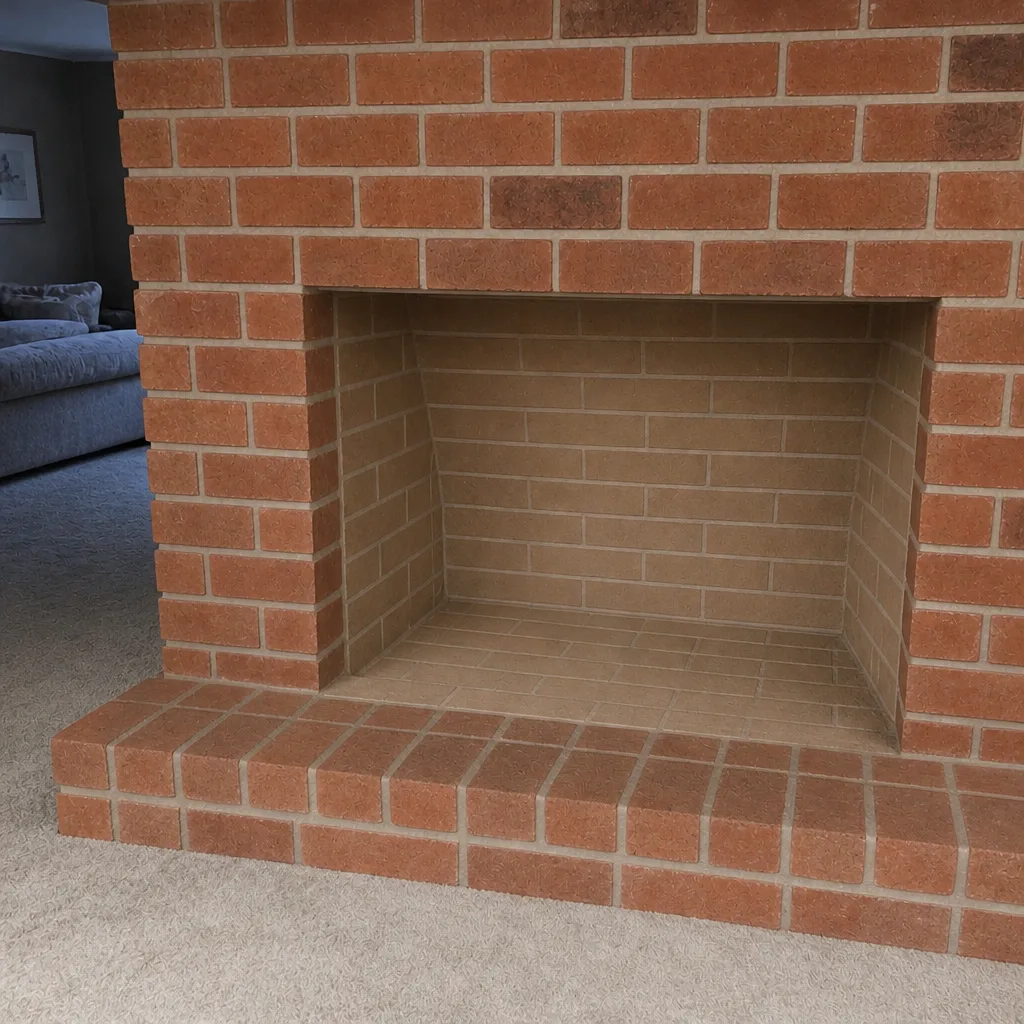
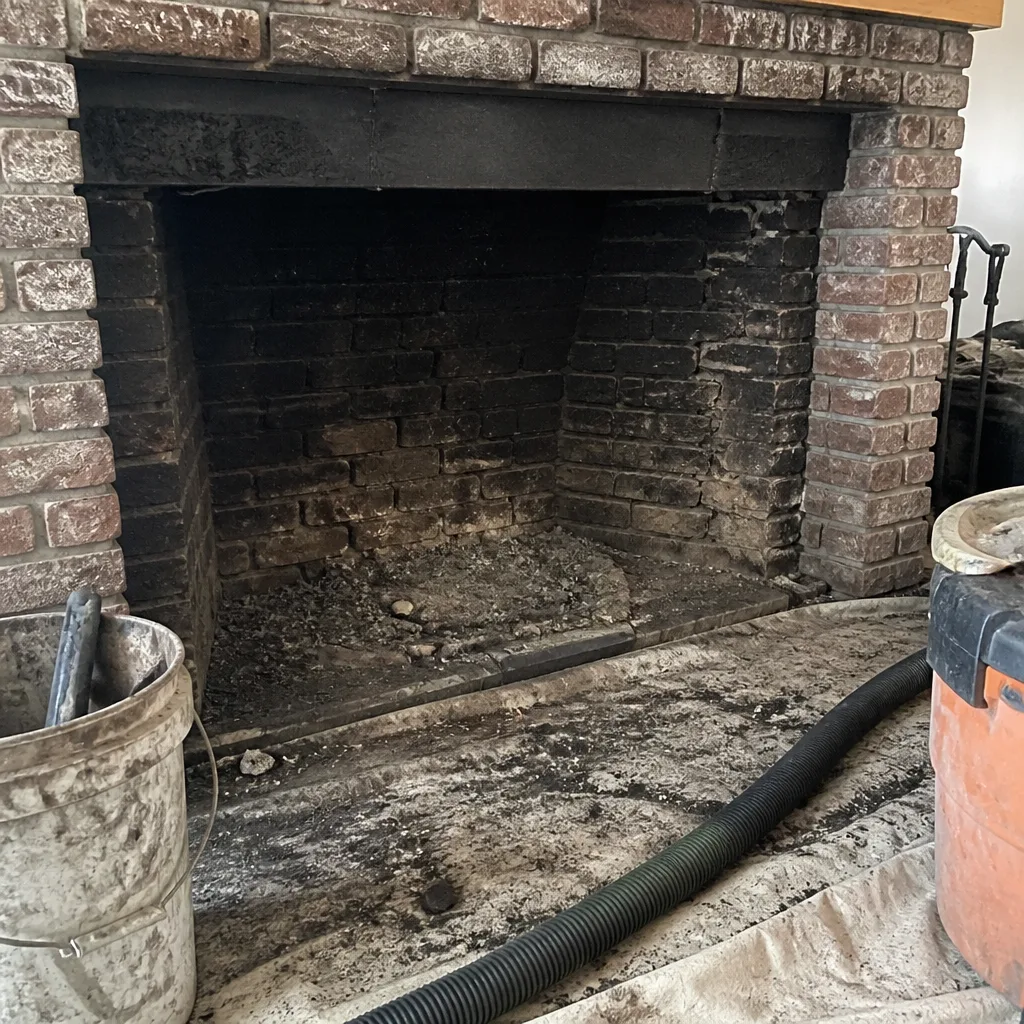
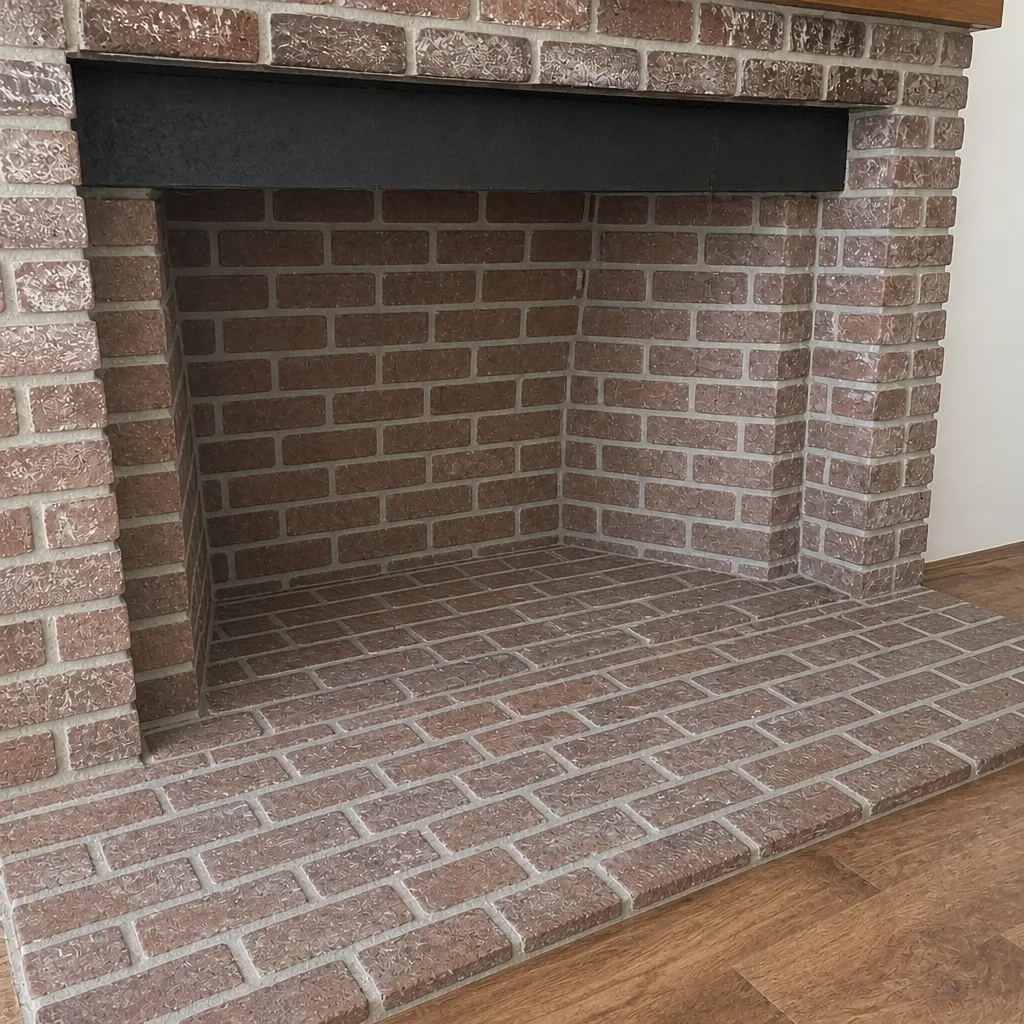
See the difference
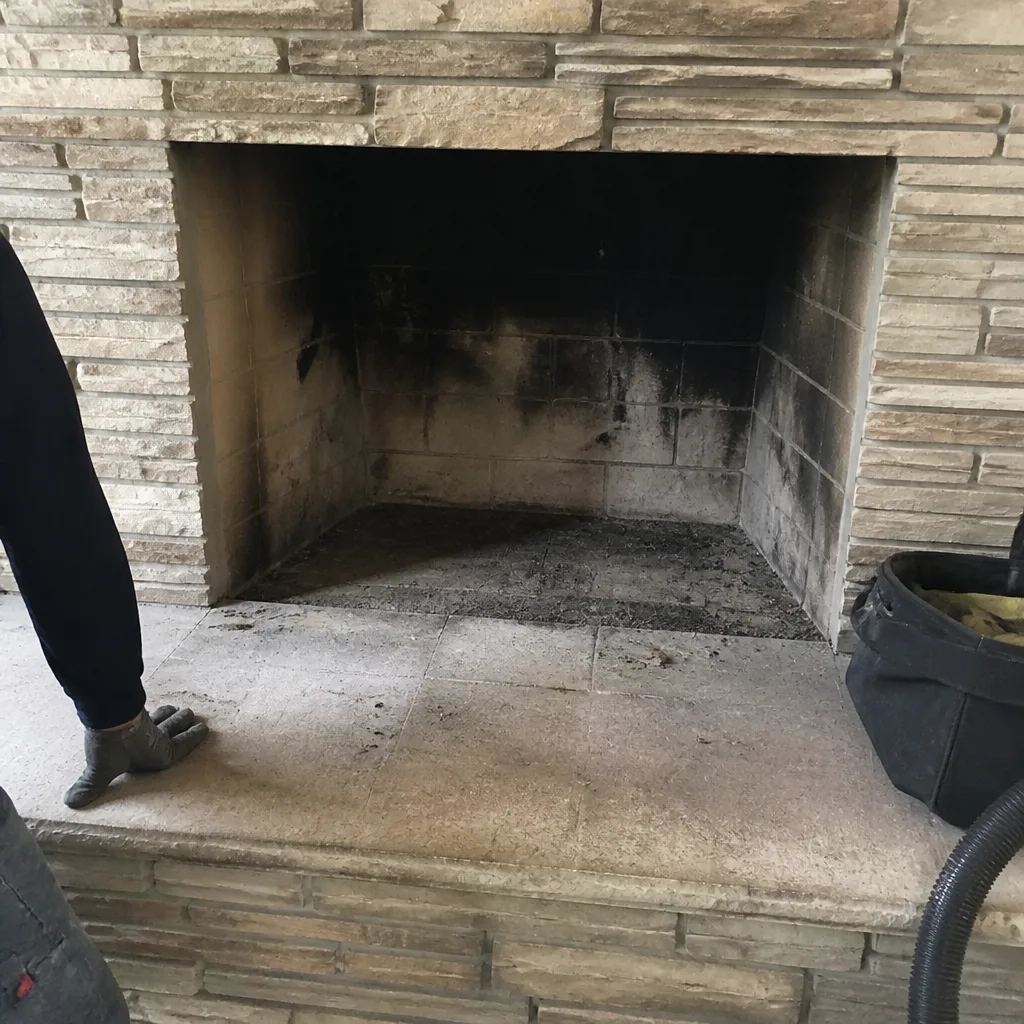 Before
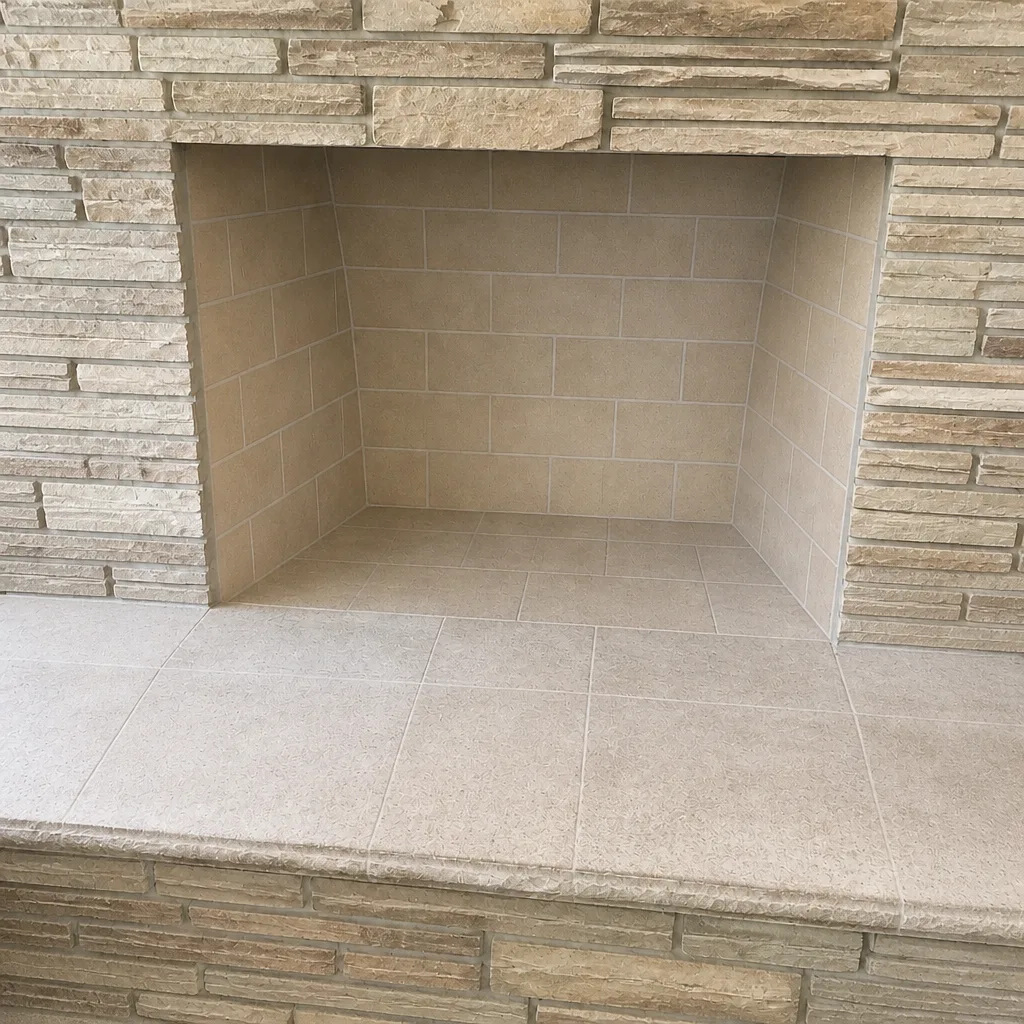 After
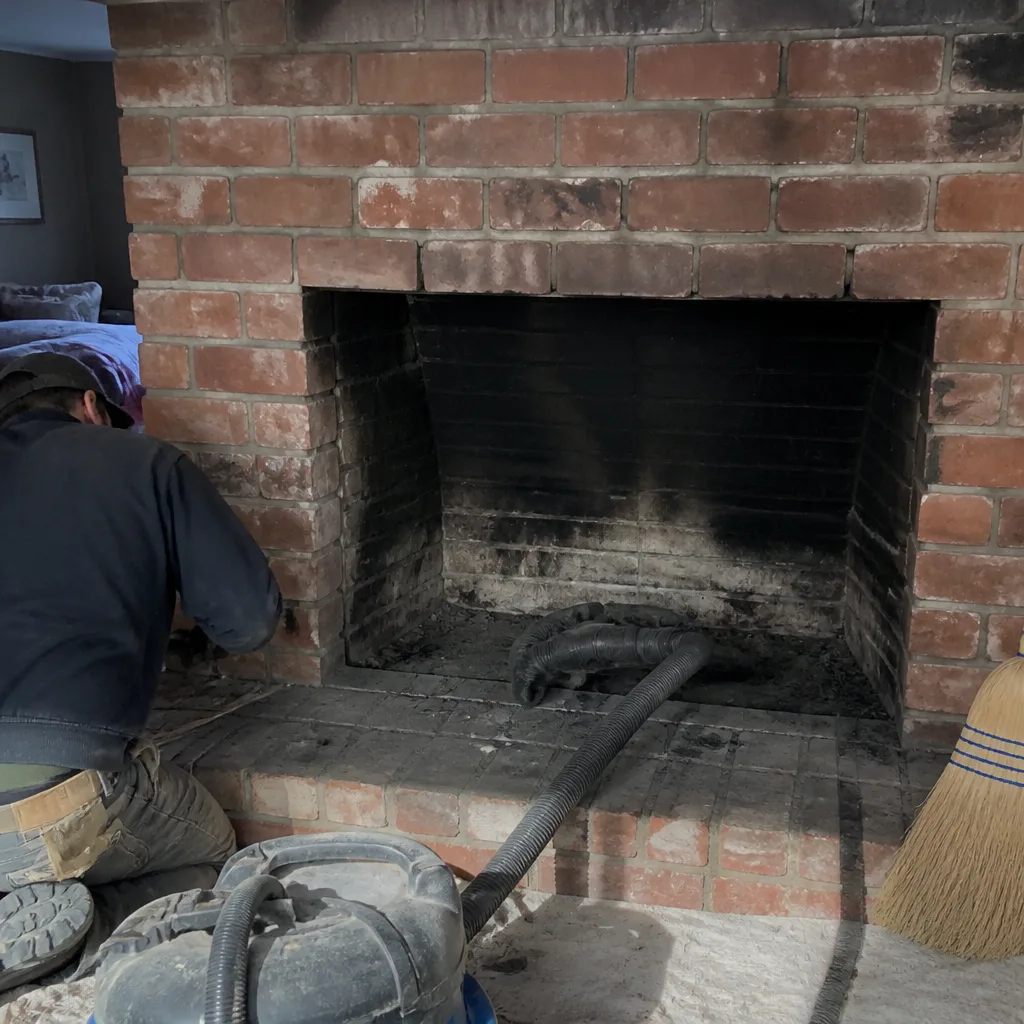 Before
 After
 Before
 After
When to Call a Professional
Some chimney work is genuinely a professional job, and some problems can safely wait. Here’s a short guide to when we’d recommend scheduling sooner rather than later.
- You can’t remember the last sweep. If it’s been more than a year of regular use, or if you bought the home without a chimney inspection, schedule a phase two inspection.
- The fire doesn’t draw like it used to. Smoke in the room, a lazy fire, or a damper that won’t stay open are all signals that the flue or smoke chamber wants a look.
- You smell creosote or see soot around the firebox. A strong creosote smell on warm days often points to a level three deposit that needs a rotary tool.
- The crown is visibly cracked or the cap is missing. Water intrusion is slow, but it doesn’t self-correct. A cap repair now is cheaper than masonry work later.
- You’re selling or buying a home. Pre-sale chimney inspections are standard and a written report with photos resolves a lot of buyer-side questions.
Lake Forest Chimney Sweep Pros offers free estimates in Lake Forest – call (833) 468-5670. We answer 24/7. Fast dispatch from 7am to 7pm, Sunday through Friday.
Frequently Asked Questions
A chimney sweep in Lake Forest is priced per job by a written estimate, and the number depends on the creosote grade, access to the flue, and whether an inspection is included. We don’t publish a flat sweep price because a level one clean and a level three rotary clean aren’t the same job, and pricing them the same would either overcharge the easy job or underfund the hard one. Call (833) 468-5670 for an exact quote – estimates are free.
Only if the camera shows a specific defect that warrants it: cracked clay tiles, damaged mortar joints, or an unlined flue that can’t safely vent the appliance. A liner isn’t an automatic recommendation on every sweep. When a liner is warranted, we show you the camera photo at the location and explain the consequence. HeatShield liner restoration is sometimes the right answer instead of a full liner replacement, and we’ll tell you which applies. Call (833) 468-5670 for an exact quote – estimates are free.
For a wood-burning fireplace in regular use, a sweep and inspection once a year is the standard. In Lake Forest, where fires tend to get lit in short bursts during our mild winters, the creosote can layer up in ways that make an annual inspection more important, not less. A gas fireplace doesn’t produce creosote but still benefits from an inspection of the venting and the cap. Call (833) 468-5670 for an exact quote – estimates are free.
Creosote builds up in layers, and the glazed stage is a fire hazard. A blocked or restricted flue also pushes carbon monoxide back into the home rather than up and out, which is a real risk regardless of what the fire looks like. The flip side is also true: if you’ve been skipping the sweep because you’re worried about being sold a repair, an inspection-first visit with a camera photo in front of you is exactly the way to find out. Call (833) 468-5670 for an exact quote – estimates are free.
You can, but it’s not the easier path. The sweep-only company’s report is a starting point for a second contractor who then has to do their own inspection before quoting, so you’re paying twice for the look. The safer structure is one company that can sweep, inspect, and repair, so the report and the work come from the same scope. That’s the setup we work to at Lake Forest Chimney Sweep Pros.
Ask whether they’re state-licensed and insured as their state requires, and whether they’re CSIA-certified if they’ll be doing the inspection or installation. Ask what brands of liner the company installs – professional-grade names like DuraFlex, HeatShield, Olympia Chimney, and Famco come up in a real answer. And ask whether the estimate is free and written. Call (833) 468-5670 and we’ll walk you through all of it. We answer 24/7. Fast dispatch from 7am to 7pm, Sunday through Friday.
The Bottom Line
The right way to hire a chimney contractor in Lake Forest is to choose capability before price. Confirm the company is a dedicated chimney specialist, that they can inspect with a camera and repair what they find, and that the estimate is written and itemized. Ask whether they install liners and carry cap and crown materials. Read the inspection report for photos, locations, and plain-language descriptions. And remember that the cheapest bid is often the narrowest scope; a sweep-only company can clean and leave, but a full-service specialist stays for the whole job.
Ready to Schedule?
If you’re in Lake Forest and want one contractor who can take the chimney from the firebox to the crown, we’d like to hear from you. Call (833) 468-5670 for a free estimate. We answer 24/7. Fast dispatch from 7am to 7pm, Sunday through Friday. Our technicians have up to 13 years of experience, and every visit starts with an inspection so repairs are only done when they’re actually needed. One call, no subcontractors.
Written by the team at Lake Forest Chimney Sweep Pros.