
Last updated November 25, 2026
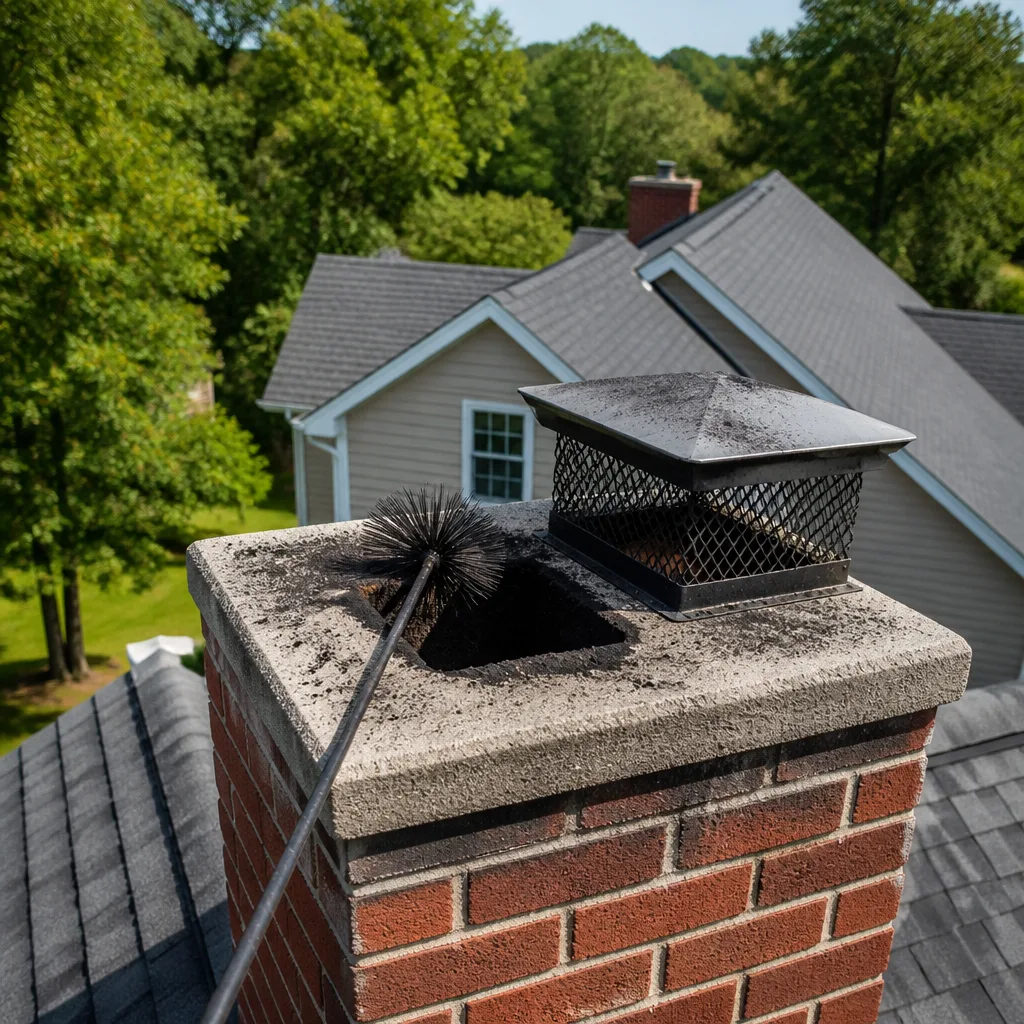 Sweep & inspection
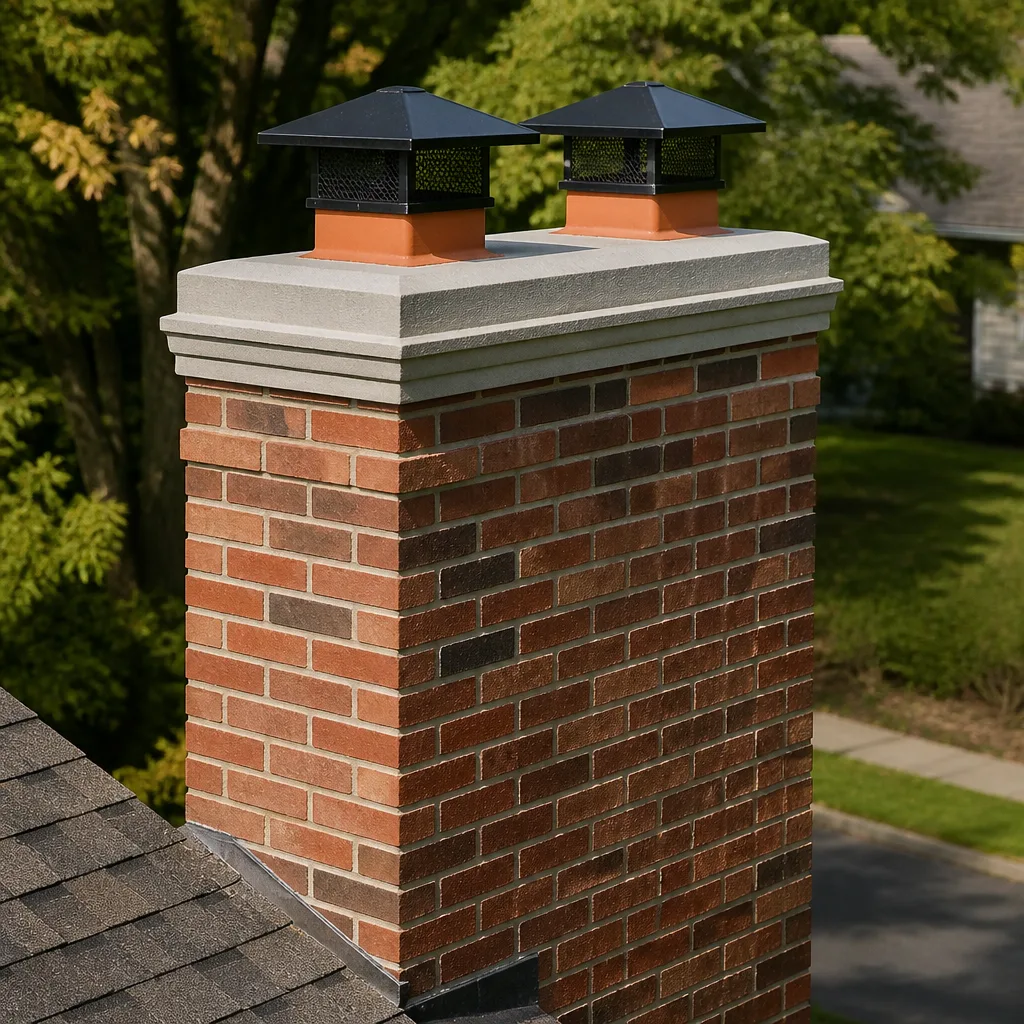 Caps & crowns
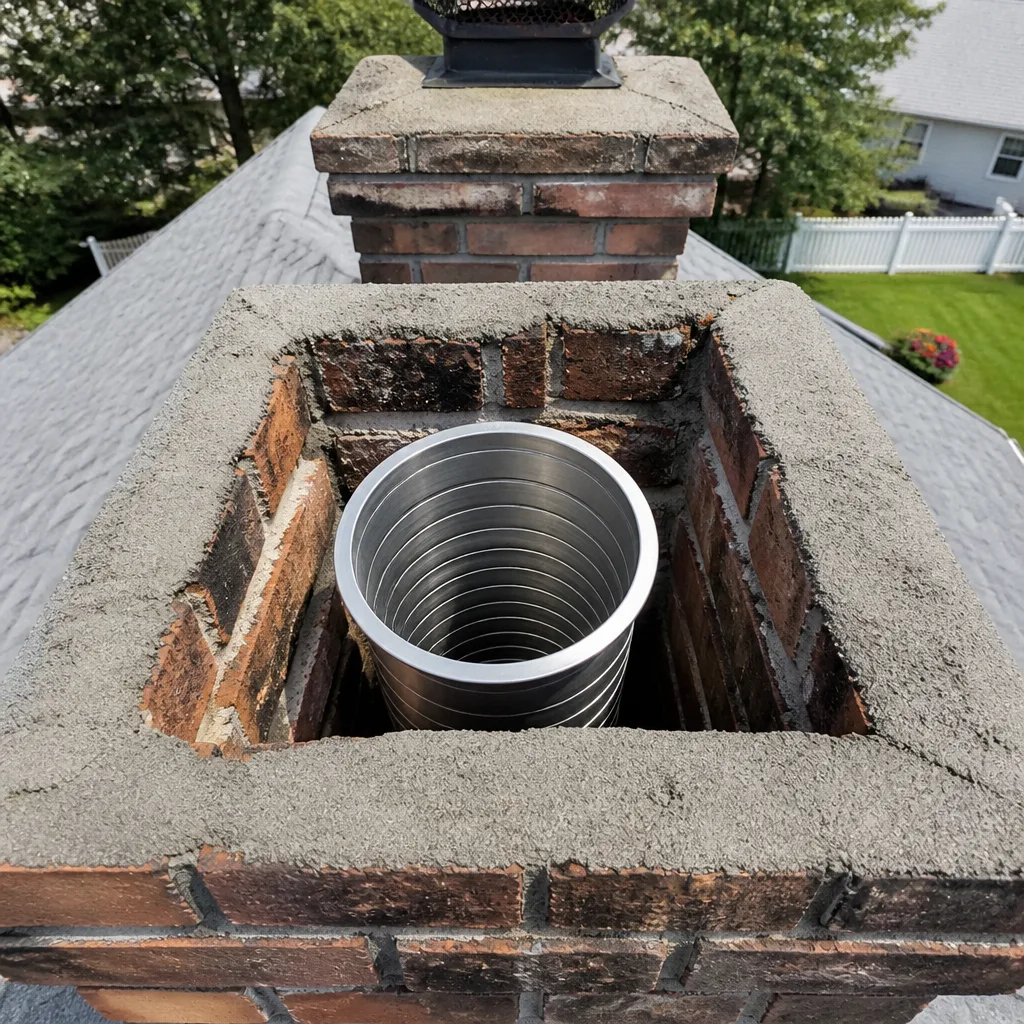 Flue relining
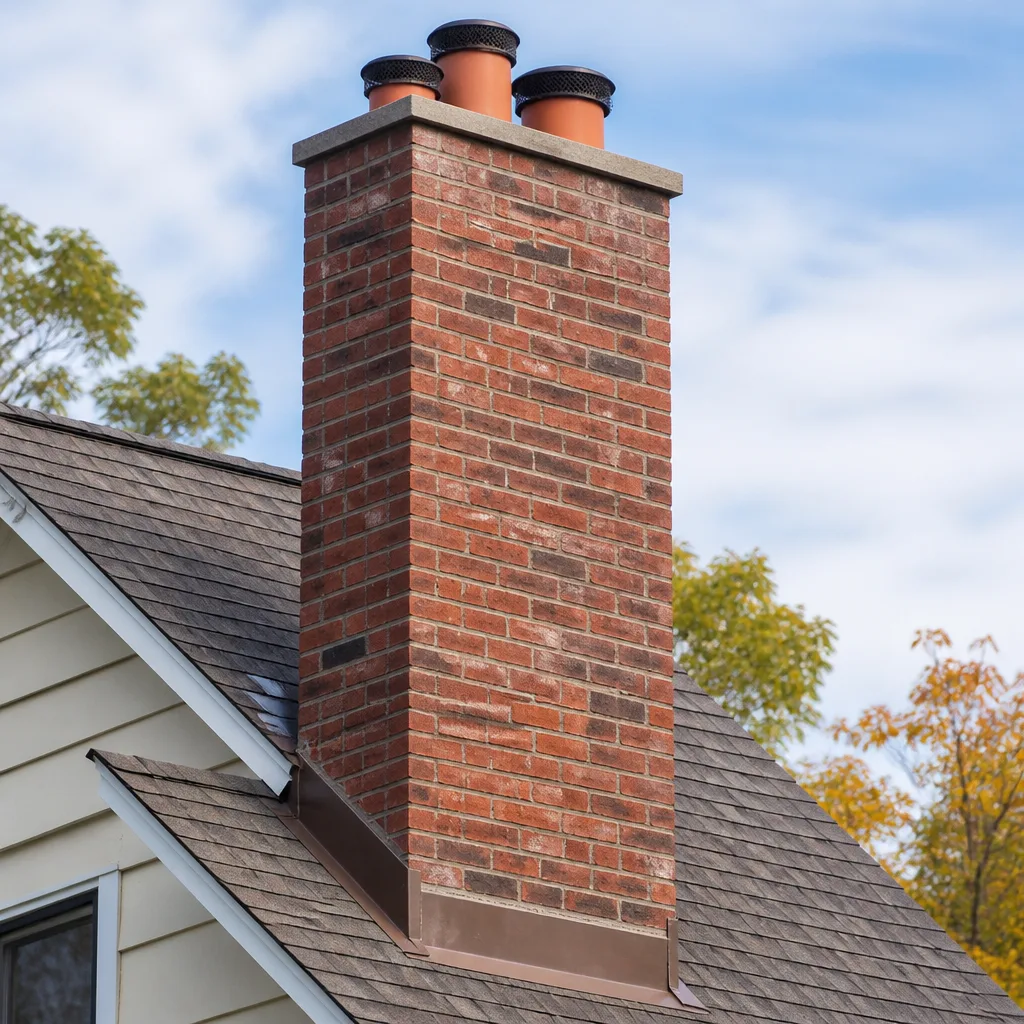 Masonry repair
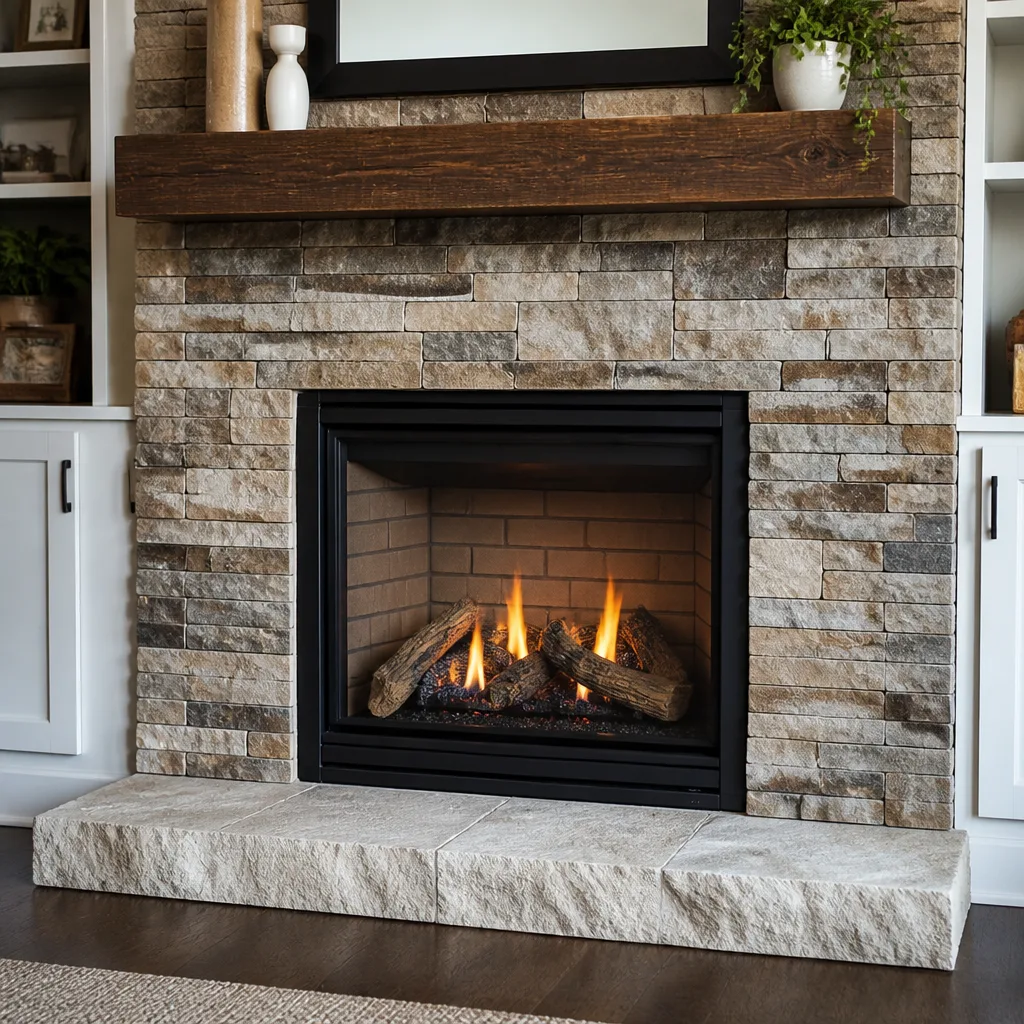 Gas fireplace service
Level 1 sweep and inspection to the NFPA 211 annual standard - flue, crown, cap, and flashing checked and photographed
Chimney sweep logs do not sweep chimneys. They loosen some creosote - which then falls where a brush and vacuum still have to collect it.
DIY vs Professional Chimney Cleaning: The Lake Forest Homeowner’s Decision Guide
A homeowner with a stiff brush, drop cloths, and two hours can remove light soot from a straight flue. That part is true, and we won’t pretend otherwise. What that homeowner cannot see is the lower third of the liner, the smoke chamber, or the connection point where the flue meets the firebox – and those hidden areas are exactly where Southern California’s thermal cycling causes the earliest damage. This guide is written to help you make an actual decision, not a sales one. We’ll cover which flue geometries make DIY brushing mechanically realistic, what a real equipment list costs, why cleaning and inspecting are two different skills, how to tell Class 1 creosote from Class 2, and what a self-performed sweep means for a fire insurance claim. By the end you’ll know where you sit for a Lake Forest home.
Styles & brands we work with
- Sweep & inspection
- Caps & crowns
- Flue relining
- Masonry repair
- Gas fireplace service
Quick Answer
DIY chimney cleaning is only worth considering if you have a straight, accessible flue, an exterior cleanout, and no visible glaze or heavy deposit buildup – and even then, it replaces only the cleaning half of the job. It does not replace inspection, because you can’t visually assess a liner from the top with a brush. For most Lake Forest homes with an offset flue, a two-story addition, or a fireplace insert, a professional sweep with a camera inspection is the only way to actually know the condition of your chimney. Our technicians have up to 13 years of experience, and the quick answer is one we’d give a neighbor: brush the easy part if you insist, but get the camera down the flue before you light another fire.
Table of Contents
- Which Flue Geometries Make DIY Brushing Feasible
- What DIY Chimney Cleaning Actually Costs
- The Inspection Gap: Cleaning Is Not Inspecting
- Class 1 vs Class 2 Creosote and Why Misreading It Matters
- The Insurance and Liability Side of a Self-Performed Sweep
- How Lake Forest Housing Stock Changes the Calculation
- The Hybrid Approach: DIY Maintenance, Pro Inspection
- Common Mistakes to Avoid
- When to Call a Professional
- Frequently Asked Questions
Which Flue Geometries Make DIY Brushing Feasible
Start with the single most important physical question: is your flue straight and vertical from the firebox to the cap? A flue that rises in a clean line with one accessible opening can be brushed top-down or bottom-up with a hand-turned rod and a correctly sized poly brush. This describes some older single-story Lake Forest homes and a handful of detached fireplaces where the flue never shifts. That’s the short list of cases where DIY is mechanically realistic.
It falls apart as soon as the flue has an offset. Offsets are common in Lake Forest two-story additions where the original fireplace flue had to jog around new framing to reach the roofline. A rod pushed into an offset binds, stops, or – worse – flexes and comes back down with the brush still loaded. When that happens you’re not cleaning; you’re packing soot into a corner you can’t reach. Here’s a mechanical breakdown:
- Straight vertical flue: DIY brushing is physically workable with the right brush and rod.
- Single offset flue: DIY brushing is unreliable; rods bind at the angle.
- Multiple offsets: Not workable by hand.
- Fireplace insert: The appliance comes out before cleaning; DIY is impractical.
- Exterior chimney with a cleanout door: Workable with access, but deposit visibility is still poor.
- Unlined or clay-tiled flue in poor condition: Brushing can damage the liner; do not attempt.
If you’re not sure which category your Lake Forest home falls into, that uncertainty is itself the answer. A standard chimney sweep includes a camera inspection, which settles the question definitively.
What DIY Chimney Cleaning Actually Costs
The honest DIY cost comparison comes down to one question: are you doing this once, or every season for the next ten years? A homeowner replicating a professional sweep needs a properly sized poly brush, flexible fiberglass rods (not the cheap screw-together plastic ones), a rod-and-brush adapter, a heavy drop cloth, safety glasses, a respirator rated for soot and creosote particles, a good headlamp, and some way to keep soot out of the room. Add in a shop vacuum with a HEPA filter if you don’t want the dust in your living space for a week.
Buy that kit for a single cleaning and it costs more than one professional sweep. Buy it once and clean every year for a decade and it pencils out – assuming your flue is straight, your roof is safely accessible, and your deposits stay in the light Class 1 range. Add a camera system (which is what makes any of this actual inspection rather than guessing) and the math reverses again. A pro sweep also comes with what most DIY attempts lack: photographic documentation of what the camera saw.
If you’re weighing the full picture – cleaning plus any repair the inspection surfaces – the general ranges we give homeowners in Lake Forest are typical estimates, and the written estimate sets the final price:
- Routine professional chimney sweep: low hundreds of dollars, including camera inspection.
- DIY equipment kit: comparable to a single professional sweep, or more.
- Professional camera inspection added to a DIY-style cleaning: often a standalone fee similar to a full sweep.
- Liner restoration (HeatShield): a fraction of full relining, when the damage qualifies.
- Full flexible liner replacement (e.g., DuraFlex): a significant investment, reserved for failed liners.
We don’t quote numbers here because pricing depends on your flue, access, and what the camera finds. The written estimate is what counts, and the estimate itself is free.
The Inspection Gap: Cleaning Is Not Inspecting
This is the part of the DIY conversation most guides skip. Sweeping removes deposits. Inspecting assesses condition. They’re different skills with different tools, and a homeowner who does the first but skips the second walks away with a clean chimney and a false sense of safety. Light soot can hide a cracked clay tile, a rusted damper frame, a failed mortar joint in the smoke chamber, or a gap at the firebox connection – any of which matters more than the soot you just removed.
What a professional inspection actually involves, and why DIY can’t replicate it:
- Camera articulation. A camera on a flexible rod reaches the lower third of the liner and the smoke chamber – the areas you can’t see from the top or bottom.
- Connection point check. The firebox-to-flue transition is where Southern California’s thermal cycling causes early damage. It’s hidden behind a damper, and it’s invisible from the roof.
- Photo documentation. The findings are recorded so you can see them yourself, decide what needs repair, and prove the chimney’s condition later if it matters.
- Repair recommendation, only when warranted. We use the inspection first, so repairs are only done when they’re actually needed. If the flue is sound, we tell you.
The gap is real: a homeowner with a clean flue and no camera report has a clean flue and no camera report. Those are two different facts, and one of them is what a chimney professional is actually paid to establish. If you’re booking a chimney repair, the inspection that precedes it is what determines whether repair is even the right call.
Class 1 vs Class 2 Creosote and Why Misreading It Matters
Creosote builds in three recognizable stages, and the difference between the first two is where most DIY attempts go wrong. Class 1 is the light, flaky, soot-like deposit you can brush away. Class 2 is a darker, denser, tar-like buildup that clings to flue walls and smears rather than flakes – a brush will knock some loose, but it doesn’t fully remove it. Class 3 is glaze: a hard, shiny, glassy layer that needs a chemical treatment or a rotary method to remove, and it’s the most hazardous. Misreading Class 2 or Class 3 as Class 1 is the real risk. A homeowner brushes some flakes, sweeps the floor, and assumes the chimney is clean while a shiny layer stays behind.
Why it matters in a Lake Forest climate: mild winters mean many homeowners burn wood and gas in shorter, hotter bursts – a fire to knock off the evening chill, then nothing for a week. That burn pattern, with frequent cold starts and short burns, tends to build denser deposits earlier than the long-burning fireplaces of a colder climate. Creosote is also affected by wood moisture and draft efficiency, so a flue that draws poorly develops deposits faster. Class 2 and Class 3 deposits sit closer to the flue walls, and that reduces the safety margin.
You can’t reliably classify creosote by eye alone from the top of a flue. The camera and the physical removal are what tell you what you’re dealing with. If you’re not sure what you saw on the flue walls, that’s the point at which a professional sweep is the right call.
The Insurance and Liability Side of a Self-Performed Sweep
Homeowners rarely think about this until after a loss, but it’s worth raising plainly. Fire insurers generally care about documented maintenance. If a chimney fire occurs after a self-performed sweep with no documented professional inspection, a claims adjuster may ask for evidence that the chimney was maintained, inspected, and found sound. A homeowner who cleaned their own chimney can produce a receipt for a brush and no inspection report. That doesn’t automatically deny a claim – insurance contracts, like anyone else’s, vary – but it does make the conversation harder and gives an adjuster less to work with.
What a documented professional sweep provides in that scenario:
- A dated record that the chimney was inspected by a trained professional.
- Photographs of the flue, the liner, and the connection point at the time of service.
- A written record of any conditions that would have been flagged before a fire.
We can’t make an insurance decision for you or guarantee how a claim goes; that’s between you and your insurer. But if you’re the kind of homeowner who thinks about the long-range picture, a documented annual inspection is cheap insurance on the insurance. Pre-sale inspections are especially worth booking ahead of a home sale, since buyers and their agents increasingly ask for them. A free estimate is the starting point, and we can walk you through what a documented sweep includes.
How Lake Forest Housing Stock Changes the Calculation
Lake Forest housing stock spans from older single-story ranch homes to newer two-story construction, and the difference matters more than most guides admit. The older homes often have a straight flue and a fireplace that was originally designed for wood, which makes them the friendliest candidates for DIY brushing. The newer two-story homes – especially those with a fireplace added during a remodel or an addition – frequently have offset flues and fireplace inserts, which makes DIY brushing physically awkward at best and unsafe at worst. Add a gas fireplace, and the calculus shifts again: gas flues still need sweeping and inspecting, but the deposit profile (and the safety priorities) differ from wood.
Two more local considerations:
- Stucco exteriors and tight clearances. Many Lake Forest chimneys run up inside tight framing or stucco walls, which limits exterior access and makes rooftop brushing trickier than on a freestanding chimney.
- Fireplace inserts. Inserts have to be removed for a proper cleaning; a DIY homeowner can’t practically do that without risking damage.
If you’re in a neighborhood where the two-story additions and inserts are common, the calculation usually tilts toward professional service. If you’re in a home with a straight flue and no insert, you have more room to decide. Either way, the team at Lake Forest Chimney Sweep Pros is here to answer the question about your specific flue rather than a generic one.
The Hybrid Approach: DIY Maintenance, Pro Inspection
There’s a middle route that respects the homeowner’s ability to make an informed decision and still closes the safety gap. The idea: let a professional do the inspection and the heavy cleaning once a year, and handle light touch-up brushing yourself in between, if your flue geometry allows it. This is the model we suggest to homeowners who genuinely want to stay involved. It’s not “hire a pro for everything” and it’s not “DIY and hope.” Here’s how it works:
- Book a professional sweep and camera inspection once a year, ideally before the burning season starts. You get a documented report of the flue’s condition and any repair items flagged.
- Handle light flake removal yourself between sweeps if you have a straight flue and confirmed Class 1 deposits. Use a properly sized brush and take the same safety precautions a pro does.
- Stop and call if you see glaze, smell a strong creosote odor, notice a draft problem, or find a cracked tile. Those are inspection and repair signals, not cleaning signals.
- Schedule a repair when the camera report flags it. This is where a full-service specialist matters: we handle the sweep, the inspection, the fireplace repair, the chimney repair, and the cap and crown work, so you’re not coordinating three vendors.
This hybrid approach works because the inspection gap is exactly the piece a homeowner can’t close on their own. The cleaning part can be shared; the inspection part shouldn’t be. We work with professional-grade brands including HeatShield for liner restoration and DuraFlex for flexible relining, and both are decisions made off an inspection report – not a guess.
Common Mistakes to Avoid
- Brushing a cold-start flue with heavy Class 2 deposits. A stiff brush loosens some of the tar but leaves the shiny layer against the wall. The chimney looks clean and isn’t.
- Using a plastic-rod brush on an offset flue. The rods bind or snap, and a brush can come loose in the flue. DIY on an offset is not mechanically realistic in two-story Lake Forest additions.
- Skipping the camera inspection. Cleaning without inspecting is the single biggest DIY gap. You can’t see the lower third of the liner, the smoke chamber, or the firebox connection from a rooftop brush.
- Ignoring a cracked clay tile because the brush “went through fine.” A tile that comes loose while brushing can damage the liner, and a damaged liner is a chimney fire risk. Stop and call a professional.
- Cleaning an unlined or damaged flue. Brushing can make things worse. This is a job for a pro with the right liner inspection and repair capability.
- Skipping the cap and crown check. Cleaning the flue does nothing for water intrusion at the top. A compromised cap or crown invites moisture that damages the work you’ve already paid for.
- Not documenting the service. Without a dated professional inspection record, an insurance claim after a chimney fire is harder to support. That’s a long-term cost most DIYers overlook.
For the structural side of these mistakes, a chimney repair specialist can tell you whether what you found is a routine fix or a real concern. Most routine repairs can safely wait until a scheduled visit; a cracked liner or a failing smoke chamber cannot.
When to Call a Professional
Call a professional sweep when any of the following is true: your flue has an offset or an insert, you’ve seen glaze or heavy tar-like deposits, you smell creosote when the fireplace isn’t in use, you notice a draft problem, you’ve had a chimney fire, or the chimney hasn’t been inspected in a year or more. In each case, the camera inspection is the deciding step, and a trained technician has the tools and experience to do it safely. For a quarterly-annual routine, a professional sweep before the burning season is the safe default. For pre-sale inspections or a repair you’ve been putting off, call first so the scope can be assessed in one visit. Lake Forest Chimney Sweep Pros offers free estimates in Lake Forest – call (833) 468-5670. We answer 24/7. Fast dispatch from 7am to 7pm, Sunday through Friday.
Frequently Asked Questions
Once a year is the safe default for a wood-burning fireplace, and it’s what most chimney professionals recommend regardless of how often you burn. Homes with heavier use, a short-burst cold-start burn pattern, or a flue that draws poorly may need it more often. If you’re not sure, the inspection tells you whether the deposits are at a level that needs a sweep. Call (833) 468-5670 for an exact quote on a Lake Forest sweep – estimates are free.
You can safely remove light Class 1 soot from a straight flue with the right brush and rods, but you can’t safely do the inspection half of the job – the lower liner, the smoke chamber, and the firebox connection stay out of sight. If your flue has an offset, an insert, or any glaze, DIY brushing isn’t safe or effective. Get the camera inspection done professionally and handle only what you can see. Call (833) 468-5670 for an exact quote.
Class 1 is light, flaky, soot-like and brushes away; Class 2 is darker, denser, tar-like and clings to the flue walls; Class 3 is hard, shiny glaze. The difference matters because a brush alone won’t remove Class 2 or Class 3 deposits. You can’t reliably tell from the top of a flue – that’s why the inspection matters. Call (833) 468-5670 for an exact quote; the inspection is included with a professional sweep.
It can make a claim harder to support, because a homeowner who cleaned their own chimney has no dated inspection record showing the chimney was sound. Insurers generally want documented maintenance, and an inspection report is the documentation that matters. We can’t decide a specific claim, but we can give you the record a professional sweep provides. Call (833) 468-5670 for an exact quote.
You only need a new liner if the camera inspection shows the existing liner is cracked, failed, or missing – and that’s the only time we recommend one. HeatShield liner restoration is a cost-effective alternative to full replacement when the damage qualifies, and we use DuraFlex flexible liner systems when a full relining is actually warranted. Nothing is recommended without camera evidence you can see. Call (833) 468-5670 for an exact quote; estimates are free.
Deposits keep building, and Class 2 and Class 3 creosote are what make a flue dangerous – they raise the fire risk and restrict draft. A dirty flue also tells you nothing about cracks in the liner or the smoke chamber, so a real problem can hide behind it for a season. The most sensible move is an annual inspection, not a wait-and-see. We answer 24/7 at (833) 468-5670, with fast dispatch from 7am to 7pm, Sunday through Friday.
The Bottom Line
DIY chimney cleaning is a real option for a narrow set of Lake Forest homes: a straight flue, no insert, only light Class 1 soot, and a homeowner who accepts that they can’t see the lower liner, the smoke chamber, or the firebox connection. For everyone else – offset flues in two-story additions, inserts, gas fireplaces, glaze, or a flue that hasn’t been inspected in a year – the professional sweep is the decision that actually closes the safety gap. The inspection is the part you can’t do at home, and it’s the part that matters. If you’re unsure where you sit, call and get the camera report before your next fire. We handle the full chimney, from firebox to crown, with HeatShield and DuraFlex capability when a repair is warranted.
If you’re ready to book, call (833) 468-5670 for a free estimate. We answer 24/7. Fast dispatch from 7am to 7pm, Sunday through Friday. One call, no subcontractors.
Written by the team at Lake Forest Chimney Sweep Pros.
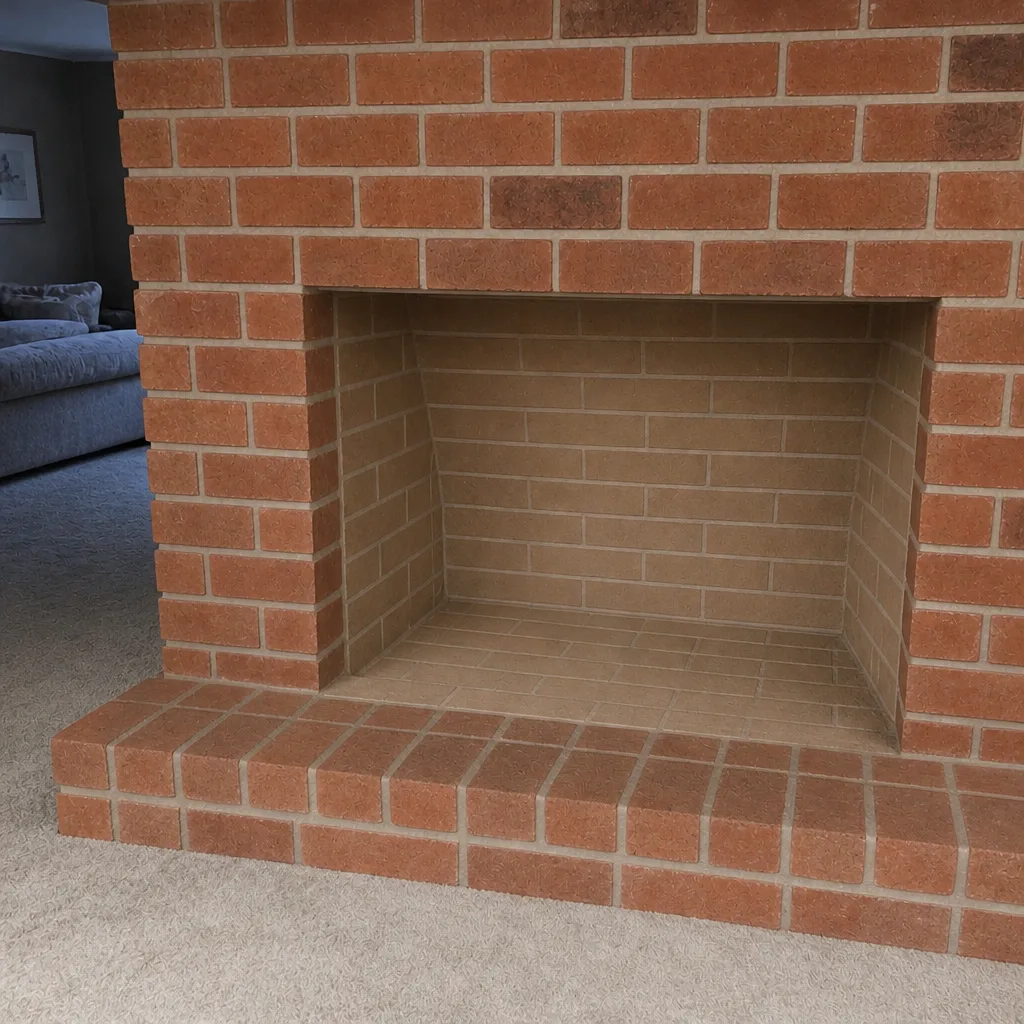
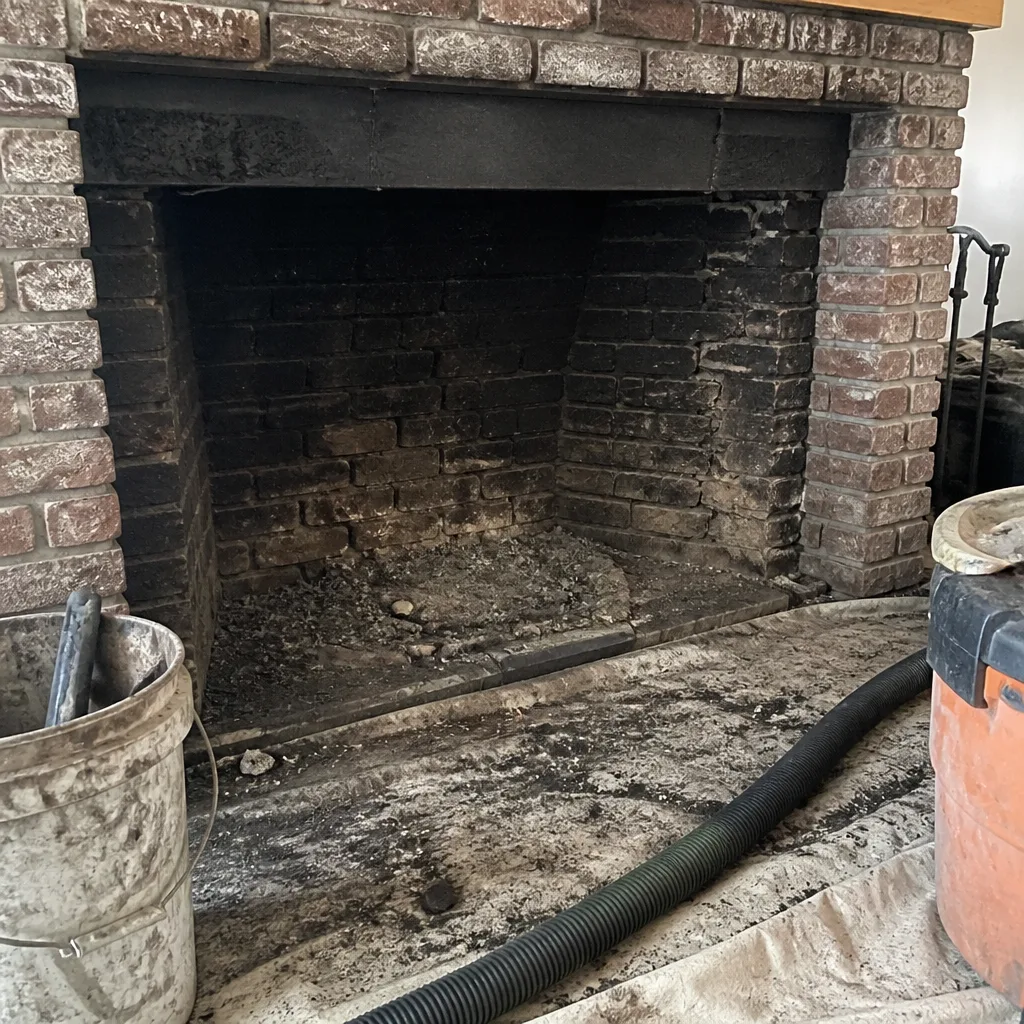
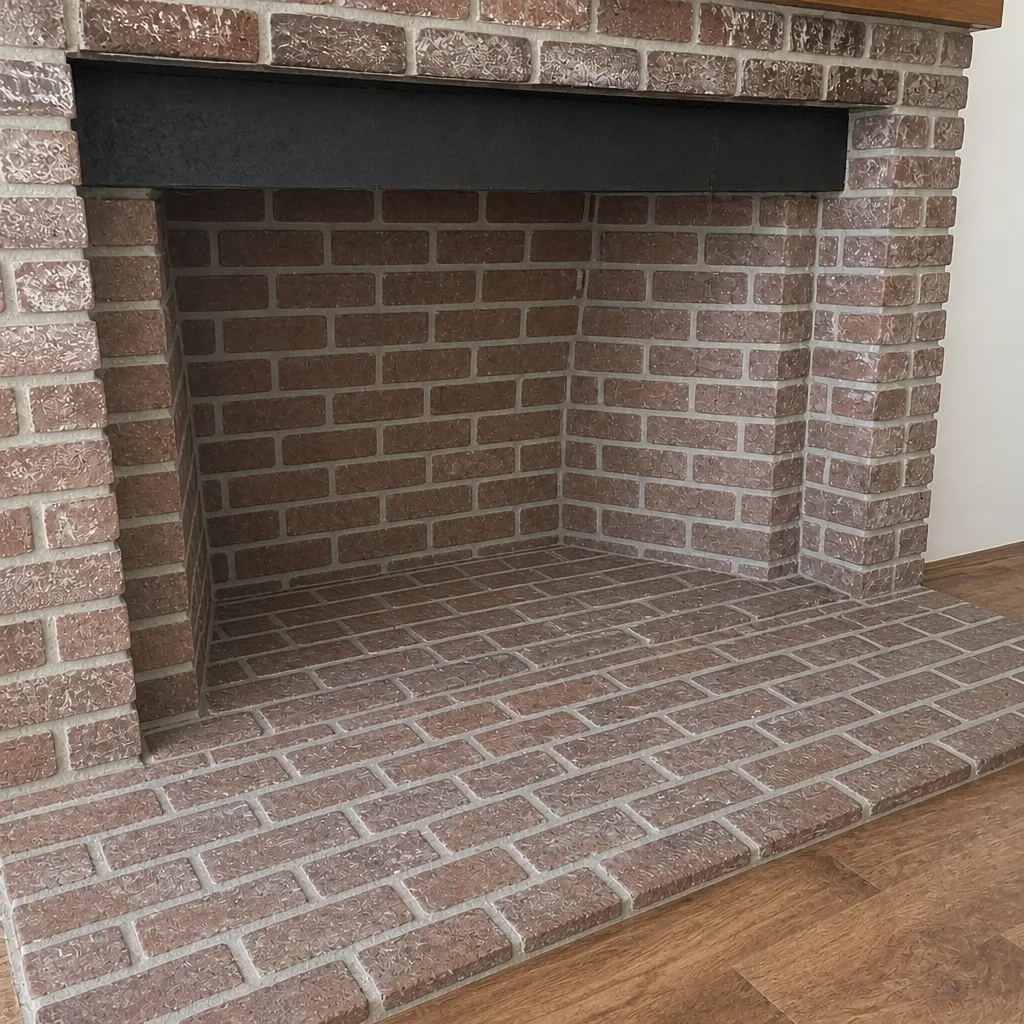
See the difference
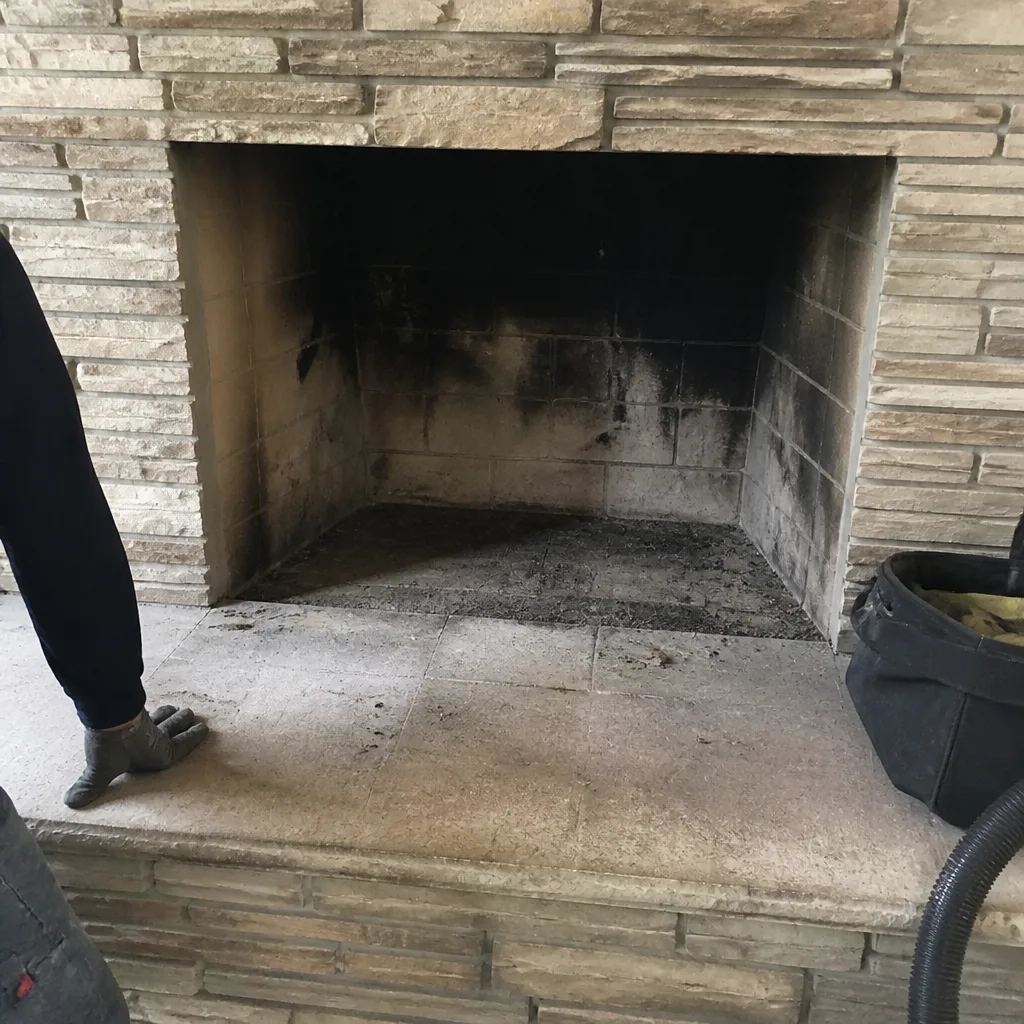 Before
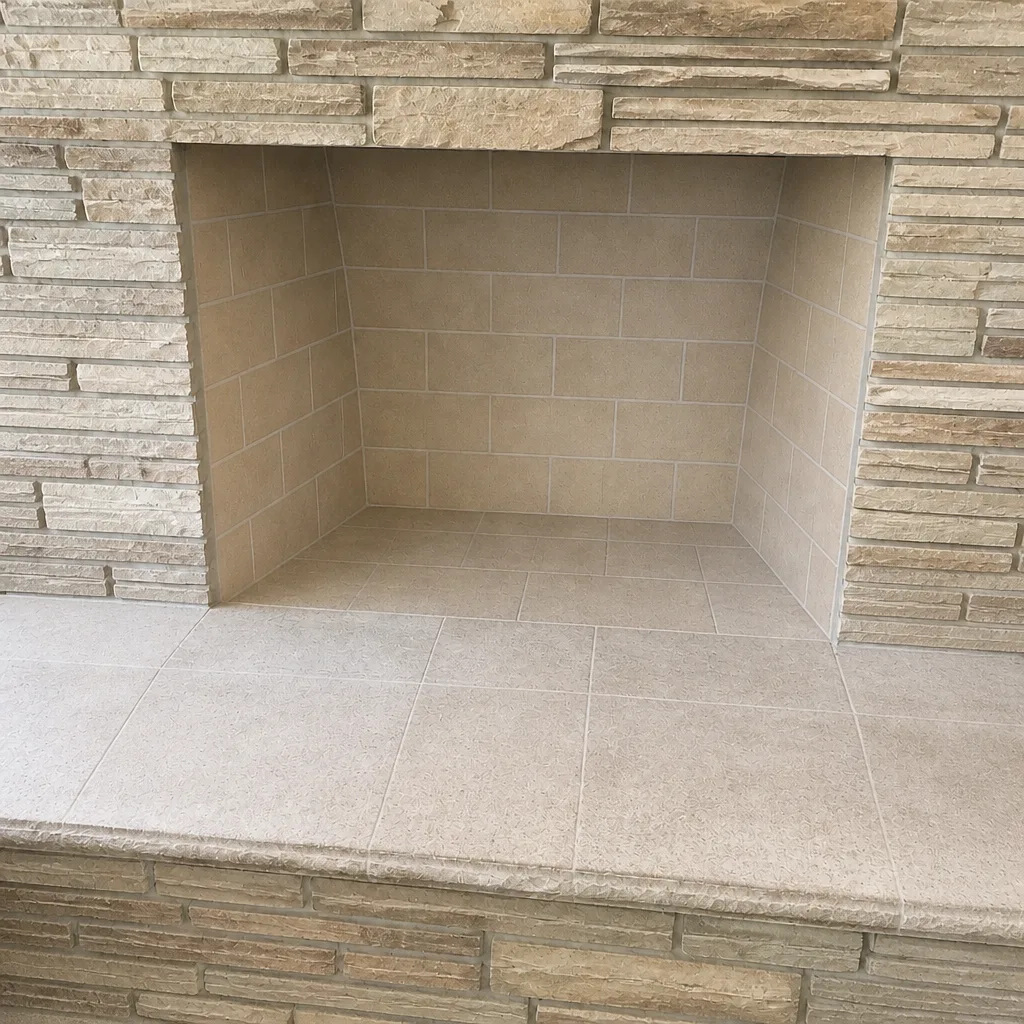 After
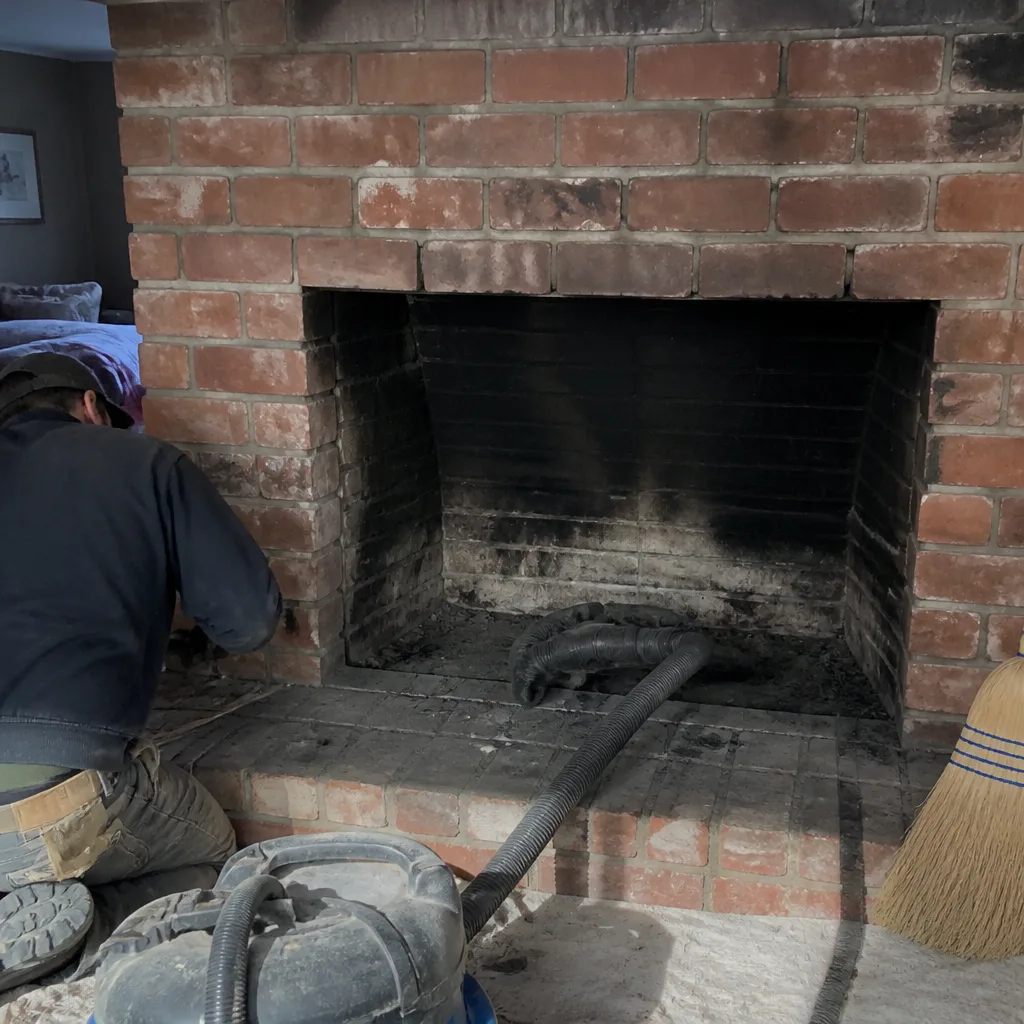 Before
 After
 Before
 After